
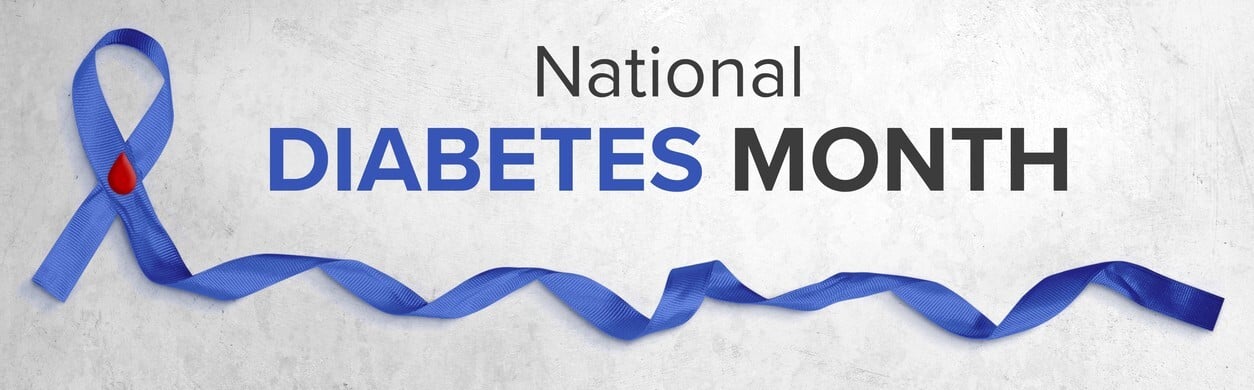
November is Diabetes Awareness Month, an opportunity to recognize people living with diabetes and the organizations working to support them. For healthcare providers, pharmacies, pharmaceutical manufacturers, and patient support teams, it is also a time to consider how awareness can lead to practical improvements in the resources patients receive.
Education and access to support remain important long after a diagnosis or a first prescription. Patients need information they can understand, opportunities to ask questions, and programs that help them navigate the responsibilities of ongoing care.
At PureWay, we support that work by helping organizations make sharps disposal part of a more complete patient support experience. This November, we encourage our healthcare partners to consider how education and practical resources can work together throughout the year.
Key Points
- Diabetes Awareness Month creates an opportunity to strengthen education and access to patient support.
- Patients may need additional guidance as treatment, care settings, or personal circumstances change.
- Support programs can connect educational information with practical resources and clear next steps.
- Sharps disposal education belongs within support for patients who use needles, lancets, or other sharps.
- PureWay works with organizations to incorporate disposal solutions into patient support programs.
- Can patients find the program and understand any eligibility requirements?
- Do materials identify the next step and a contact for questions?
- Are educational messages consistent across the care team, pharmacy, and program materials?
- Is there a way to collect feedback and address recurring questions?
Why Diabetes Awareness Month Matters for Healthcare Organizations
Awareness helps bring attention to experiences that may be easy to overlook in busy healthcare settings. Alongside clinical care, people living with diabetes may be navigating where to find information.
November gives organizations a reason to revisit those needs with patients and staff. Educational campaigns, community events, and conversations with care teams can introduce resources that someone may not know are available. The next step is making those resources easy to reach when they are needed.
For program leaders, this can begin with a practical question: after someone reads our awareness message, do they know where to go for support?
Making Patient Education an Ongoing Conversation
Diabetes education needs to reflect the person receiving it. An individual learning about a new diagnosis may need different guidance from someone changing treatment or adjusting to a new caregiver.
Diabetes self-management education and support, or DSMES, provides personalized education to help people develop practical skills for managing diabetes. The CDC identifies several opportunities to connect people with these services. Including diagnosis, healthcare appointments, new complications, and life changes that make management more difficult.
Organizations can support access by explaining available education services, helping patients understand referral steps, and revisiting questions during follow-up. Written materials should use clear language, with appropriate language and format options for the people a program serves.
A useful approach is to invite patients to explain a next step in their own words. Their response can help a care team identify what needs more explanation and whether the resources provided are usable.
Connecting Education With Patient Support Programs
Information is easier to act on when it comes with a clear path to help. A patient may understand that a resource is important and still be unsure how to obtain it, whether they qualify, or whom to contact.
Patient support programs can address those questions by connecting education with enrollment assistance, supply access, and follow-up. Depending on the organization, that may include a referral to a diabetes educator, information about financial assistance, or a practical resource for handling used injection supplies.
During Diabetes Awareness Month, teams can review a few parts of that experience:
Listening to patients and frontline staff can help identify where an existing program needs a clearer explanation or a simpler process.
Including Sharps Disposal in Diabetes Education
For patients who use sharps, education should include what happens to those supplies after use. A general reminder to dispose of them properly is more useful when it is paired with specific instructions and an available disposal option.
The FDA advises patients to place used needles and other sharps into a sharps disposal container immediately after use and arrange disposal according to applicable community requirements. Program materials can reinforce those instructions while explaining the selected container’s fill limit, closure, and return process.
For example, a program could introduce a mail-back system during onboarding and revisit the return instructions during follow-up. That connects the education to a resource the patient can use, with a clear place to turn if questions arise.
PureWay as a Partner in Patient Support
PureWay works with healthcare organizations and pharmaceutical teams to develop sharps disposal programs that fit within patient support services. Our role is to help address the disposal component of care alongside the clinical education provided by healthcare professionals.
Mail-back systems bring together a sharps container, return packaging, and prepaid return shipping, giving programs a defined option to explain to patients. Multiple system sizes allow organizations to consider the supplies their patient population uses when selecting a disposal solution.
By including disposal in program planning, organizations can give staff a consistent resource to discuss and patients a clear process to follow. PureWay can help teams explore how that resource fits their program’s needs.
Carrying Awareness Into Year-Round Support
This Diabetes Awareness Month, we recognize the healthcare professionals, educators, caregivers, and program teams who help people navigate diabetes care. Their work continues after November, through the questions they answer and the resources they make available.
At PureWay, we are committed to supporting that work through practical disposal solutions. If your organization is developing or reviewing a patient support program, we welcome a conversation about incorporating sharps disposal into the experience.
Connect with PureWay about your patient support program.
Frequently Asked Questions
How can healthcare organizations participate in Diabetes Awareness Month?
Organizations can share reliable educational resources, highlight available support services, and review how patients access those services. November is also an opportunity to gather feedback and identify improvements that can continue throughout the year.
What role do patient support programs play in diabetes care?
Programs can help connect patients with education, practical resources, and assistance navigating available services. The services and eligibility requirements vary by program, so clear enrollment information and follow-up contacts are important.
Where does sharps disposal fit into patient education?
For patients who use sharps, disposal guidance can be introduced when supplies or treatment instructions are provided and reinforced during follow-up. It should explain appropriate collection and the disposal or return process for the selected system.
How does PureWay support organizations serving people with diabetes?
PureWay helps organizations incorporate sharps disposal solutions into patient support programs. Teams can contact PureWay to discuss mail-back systems and how disposal resources may fit their patient population and program needs.