
Every September, Blood Cancer Awareness Month brings attention to the people living with blood cancer, the families and caregivers supporting them, and the healthcare professionals working to improve treatment and quality of life. It is also a time to recognize that support extends across the entire care experience, from research and diagnosis to treatment, recovery, and the everyday safety practices surrounding care. Blood ...


Key Points Back-to-school medical readiness should include individualized diabetes care plans, trained personnel, emergency preparation, and an appropriate supply of inventory. Used lancets, needles, syringes, and similar items should be placed immediately in an appropriate sharps container. Sharps containers should be accessible where care is provided, kept upright, and replaced before they are overfilled. A mail-back ...

Every spring, allergy clinics prepare for the obvious challenges, including increased patient volume, packed waiting rooms, and a higher demand for testing and immunotherapy. Most clinics see more phone calls, more follow-up appointments, and tighter schedules across nearly every department this time of year. What receives far less attention is the operational pressure building quietly in the background: the dramatic increase ...

In March 2026, the pharmacy industry will gather in Los Angeles for the APhA Annual Meeting & Exposition hosted by the American Pharmacists Association. The annual event brings together pharmacists, pharmacy leaders, and healthcare innovators to explore the evolving role of pharmacy in patient care. As pharmacy practice continues to expand, new conversations are emerging around how pharmacists support patients beyond ...

Allergy care is evolving at a remarkable pace. What once centered primarily around antihistamines, inhalers, and traditional immunotherapy has expanded into a new era driven by biologic medications. These advanced therapies are transforming outcomes for patients with severe asthma, chronic rhinosinusitis with nasal polyps, atopic dermatitis, chronic spontaneous urticaria, and other immune-mediated conditions. As innovation ...

Veterinary medicine today looks very different than it did even a decade ago. Clinics are seeing higher patient volumes, more complex diagnostics, and a growing reliance on injectable treatments for both chronic and acute care. With that shift comes an increase in medical waste, such as sharps, that must be handled safely, compliantly, and consistently. Still, veterinary waste disposal is often treated as a background ...

When an injectable device malfunctions, the moment doesn’t end with a patient reporting a complaint. In fact, that’s where a much larger process starts to begin. Behind every reported misfire, incomplete dose, or device failure is a complex workflow involving patient safety, regulatory compliance, product investigation, and secure disposal. These processes are often invisible to patients, yet they play a critical role in ...

Injectable medications have reshaped how patients manage chronic conditions. From GLP-1 medications to insulin, modern auto-injectors have made treatment more accessible in the home. When a device misfires or doesn’t perform as expected, what happens next matters. Every device complaint represents a critical moment for the patient, for regulatory compliance, and for brand trust. How manufacturers handle these moments can ...
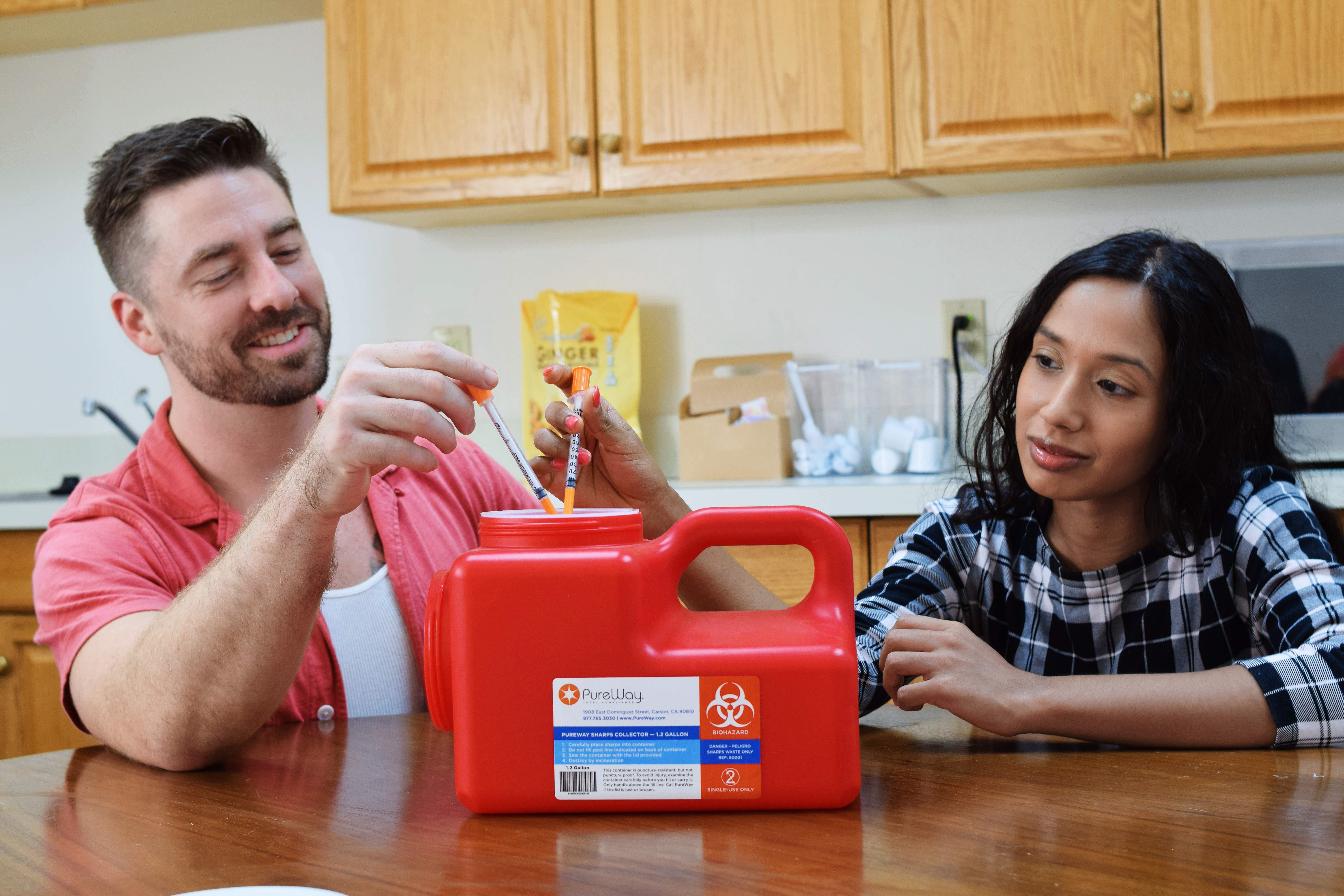
Each December, International Sharps Injury Prevention Awareness Month brings global attention to the ongoing risk of needlestick injuries and improper sharps handling. Though traditionally associated with hospitals and clinical settings, sharps injuries increasingly occur in homes, community programs, workplaces, and pharmacies. As more therapies move outside the walls of healthcare facilities, the conversation around ...

Managing diabetes is a daily commitment, and having a thoughtful, well-organized diabetes management plan can make the process far smoother. From medication and monitoring to travel routines and disposal habits, every detail plays a role in keeping your care consistent from day to day. For anyone using insulin or other injectable treatments, it's especially important to think beyond the injection itself and consider how to ...