
Every September, Blood Cancer Awareness Month brings attention to the people living with blood cancer, the families and caregivers supporting them, and the healthcare professionals working to improve treatment and quality of life. It is also a time to recognize that support extends across the entire care experience, from research and diagnosis to treatment, recovery, and the everyday safety practices surrounding care. Blood ...


Key Points Back-to-school medical readiness should include individualized diabetes care plans, trained personnel, emergency preparation, and an appropriate supply of inventory. Used lancets, needles, syringes, and similar items should be placed immediately in an appropriate sharps container. Sharps containers should be accessible where care is provided, kept upright, and replaced before they are overfilled. A mail-back ...

Every spring, allergy clinics prepare for the obvious challenges, including increased patient volume, packed waiting rooms, and a higher demand for testing and immunotherapy. Most clinics see more phone calls, more follow-up appointments, and tighter schedules across nearly every department this time of year. What receives far less attention is the operational pressure building quietly in the background: the dramatic increase ...

As home injections become more common across diabetes care, GLP-1 therapies, fertility treatments, hormone therapy, and specialty medications, a quieter but increasingly serious issue is emerging alongside this growth: counterfeit injection devices. While counterfeit medications have received widespread attention, counterfeit injection devices (including pens, syringes, needles, and auto-injectors) often fly under the radar. ...

Injectable medications have reshaped how patients manage chronic conditions. From GLP-1 medications to insulin, modern auto-injectors have made treatment more accessible in the home. When a device misfires or doesn’t perform as expected, what happens next matters. Every device complaint represents a critical moment for the patient, for regulatory compliance, and for brand trust. How manufacturers handle these moments can ...
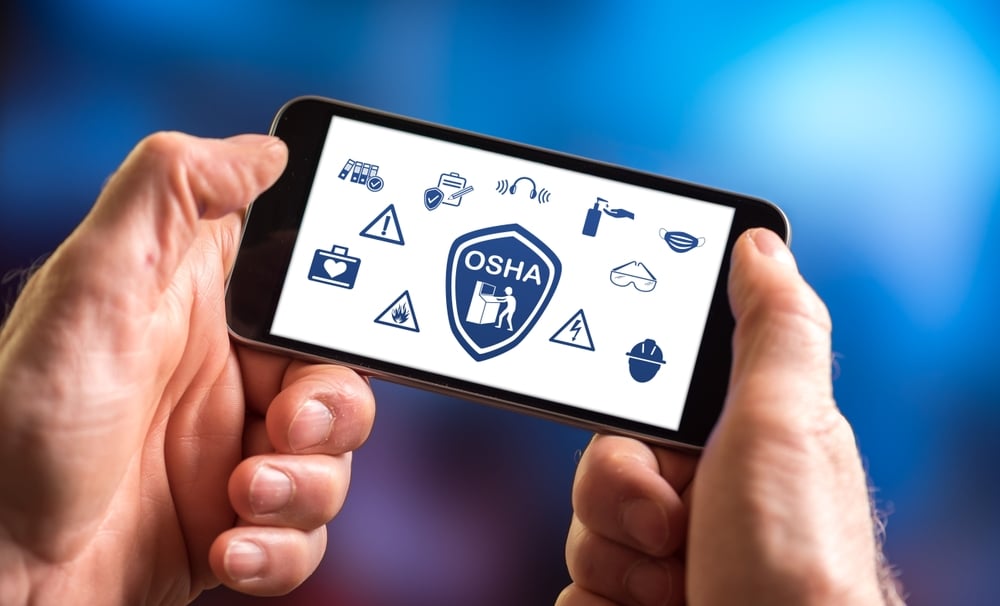
Insight for Healthcare Professionals The healthcare industry, inherently challenged with ongoing and potentially hazardous situations, demands strict adherence to safety regulations to protect both staff and patients. With increasing responsibilities and staffing challenges, healthcare professionals often find it challenging to keep up with the requirements set by the Occupational Safety and Health Administration (OSHA). A ...

Healthcare facilities must be aware of their potential safety and health hazards. The Occupational Safety and Health Administration (OSHA) is the primary regulatory agency responsible for setting and enforcing standards to protect workers in the United States. Operators including urgent care facilities should familiarize themselves with OSHA's requirements related to bloodborne pathogens, sharps safety, and workplace ...

Working with blood and other bodily fluids puts you at risk of contracting a bloodborne pathogen. Bloodborne pathogens are infectious microorganisms that can cause severe or life-threatening illnesses, such as HIV/AIDS, hepatitis B, and hepatitis C. The good news is that you can take steps to protect yourself from exposure to these dangerous pathogens. Taking a Blood Borne PathogenTraining course is one of the best ways to ...

One of the most common types of fines that healthcare facilities face is violations of the Occupational Safety and Health Administration (OSHA) regulations. OSHA is a federal agency that sets and enforces workplace safety standards, and health care facilities are subject to the same rules as any other type of business. Some of the most common OSHA Certification violations that healthcare facilities face are improper handling ...