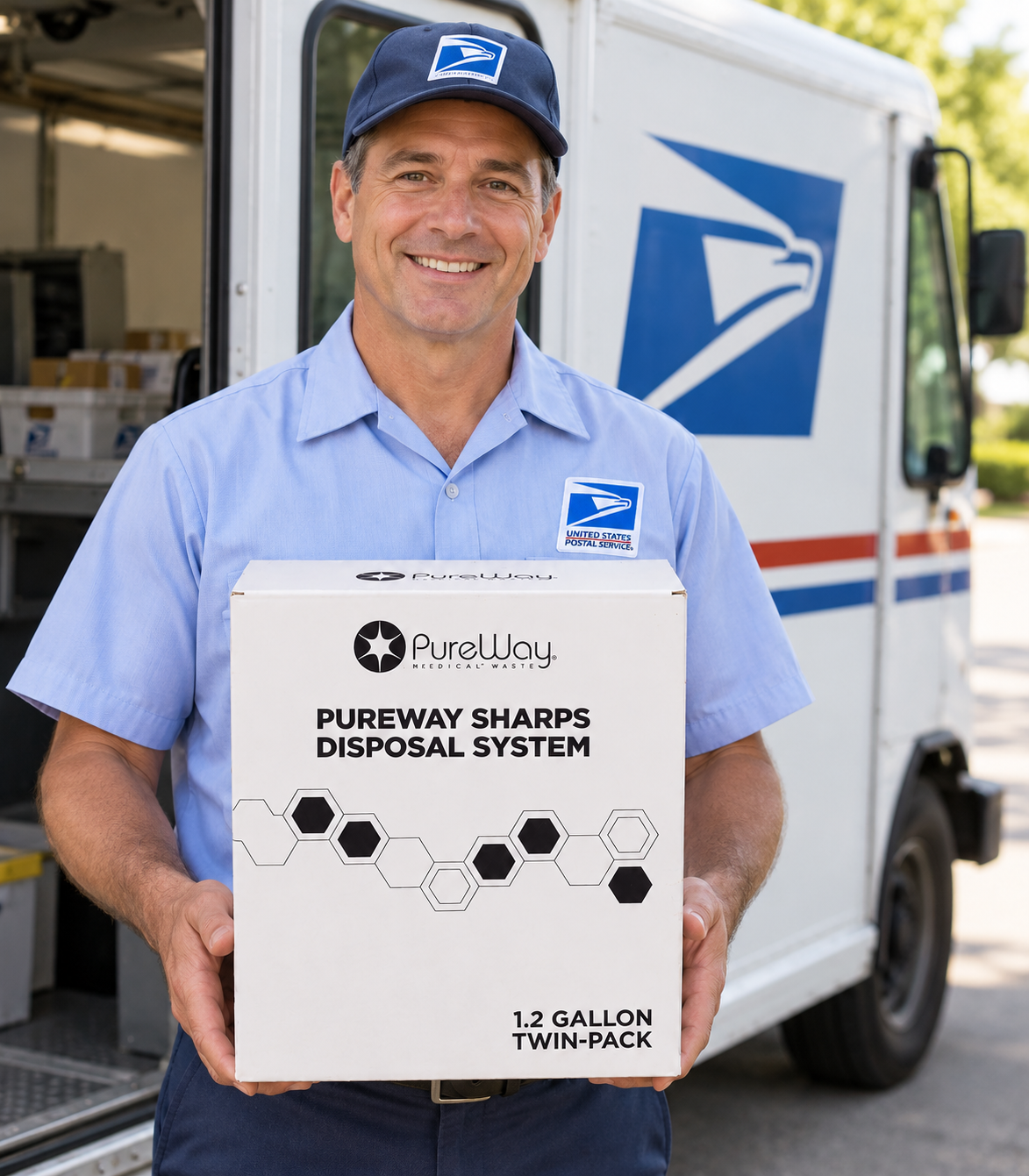
A prepaid label does not replace correct waste classification, carrier acceptance, compliant packaging, or documentation. Published by PureWay Compliance. Research and source review current as of September 18, 2026. The sharps-disposal market has changed dramatically. Healthcare facilities, employers, pharmacies, home-health programs, community organizations, and individual patients can now purchase a container online, fill ...


Every September, Blood Cancer Awareness Month brings attention to the people living with blood cancer, the families and caregivers supporting them, and the healthcare professionals working to improve treatment and quality of life. It is also a time to recognize that support extends across the entire care experience, from research and diagnosis to treatment, recovery, and the everyday safety practices surrounding care. Blood ...

Dental practices generate a variety of waste streams that require careful handling, from needles, syringes, scalpel blades, and other sharps to pharmaceutical waste and dental-specific materials such as amalgam. Managing these materials properly is an important part of protecting staff, patients, and the environment while meeting applicable waste disposal requirements. It’s important to understand that a dental practice’s ...

Why EU producer responsibility law is the working draft of U.S. pharmaceutical compliance There is a habit, common in U.S. regulatory affairs departments, of filing European environmental regulation under "international" and moving on. It is an understandable habit. The frameworks are dense, the acronyms multiply, and the immediate obligation usually falls on an EU-domiciled affiliate rather than on the U.S. organization. The ...

Key Points Back-to-school medical readiness should include individualized diabetes care plans, trained personnel, emergency preparation, and an appropriate supply of inventory. Used lancets, needles, syringes, and similar items should be placed immediately in an appropriate sharps container. Sharps containers should be accessible where care is provided, kept upright, and replaced before they are overfilled. A mail-back ...

Many healthcare organizations believe they're fully compliant with medical waste regulations until an inspection or audit reveals otherwise. Even well-intentioned facilities can overlook seemingly minor issues, such as improper waste segregation, incomplete documentation, or incorrect labeling, that quickly escalate into costly compliance violations. The consequences of failing to follow medical waste regulations can be ...

Most healthcare organizations understand that regulated medical waste must be handled safely and in compliance with the law. What many don't realize is that improper medical waste disposal can quietly become one of the most significant financial risks facing their organization. When Regulated Medical Waste Disposal Becomes a Multi-Million Dollar Problem In 2023, one of the nation's largest healthcare organizations made ...
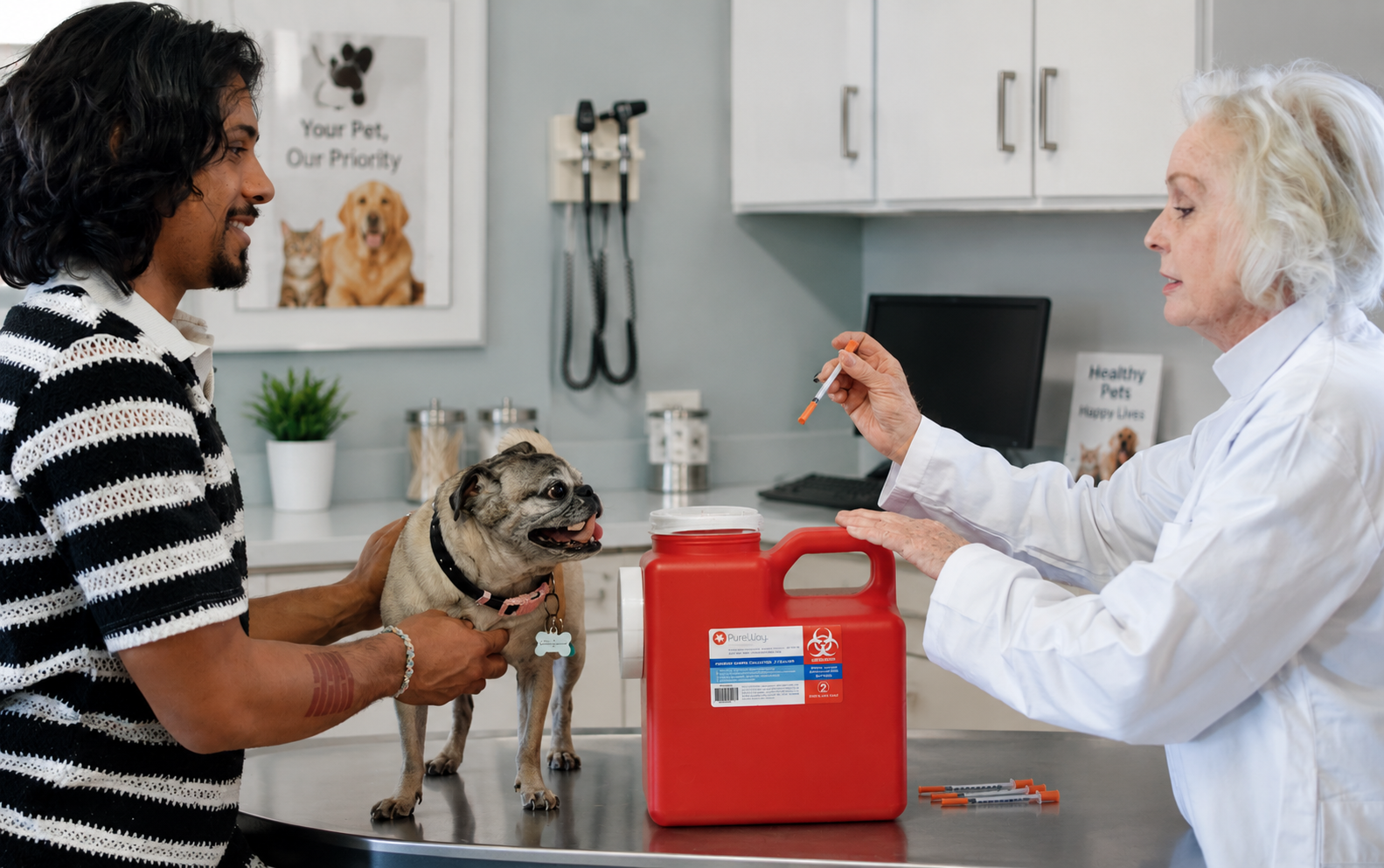
As temperatures rise and pet owners spend more time outdoors with their animals, veterinary clinics often experience a noticeable increase in patient visits. Warmer weather brings more pets through clinic doors for everything from routine wellness exams and vaccinations to emergency treatments and surgical procedures. Increased outdoor activity also leads to a higher incidence of injuries, parasite-related illnesses, and ...
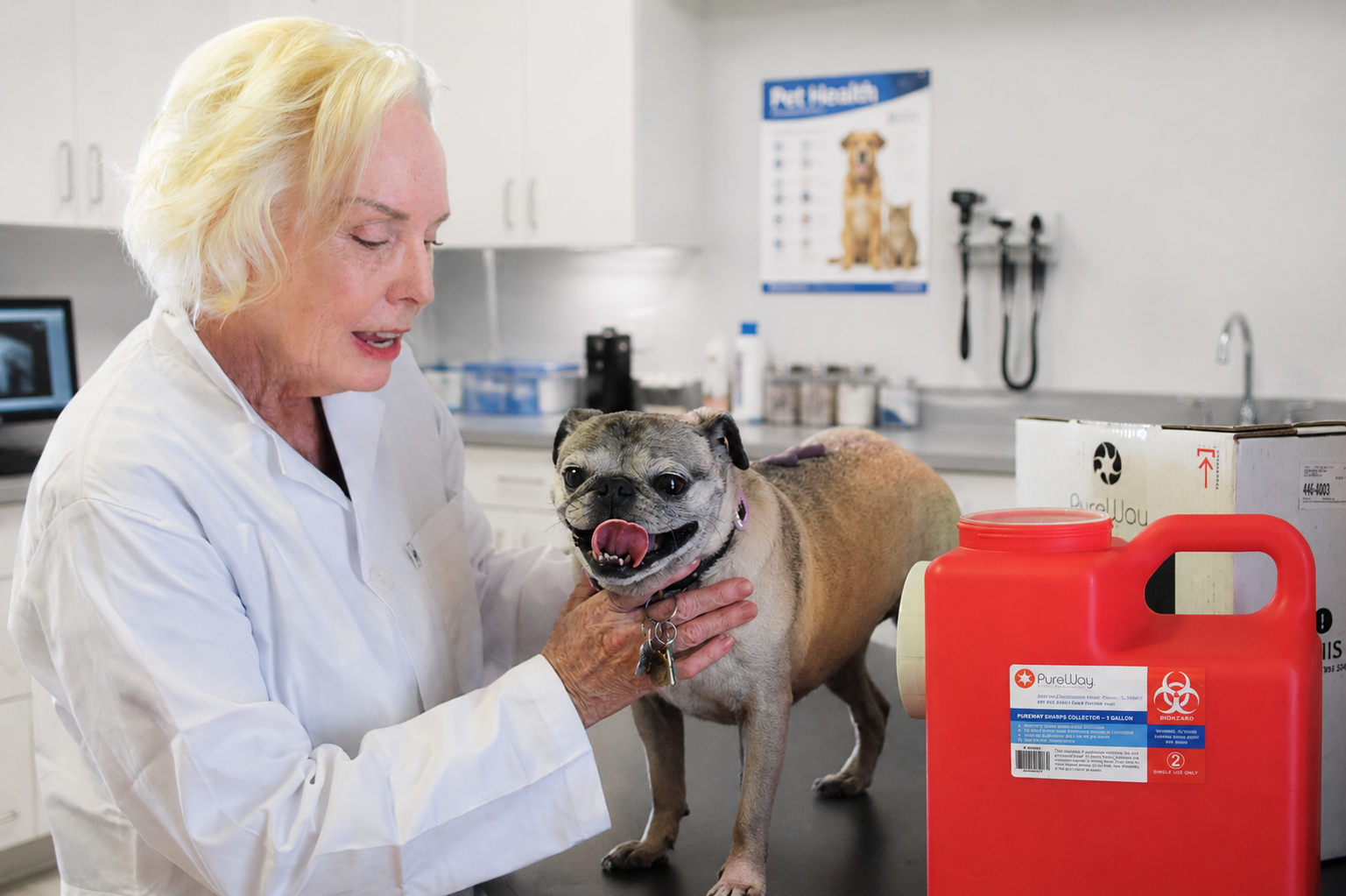
Every June, National Pet Preparedness Month serves as an important reminder for pet owners, veterinary professionals, shelters, and animal care organizations to prepare for emergencies that could impact the health and safety of animals. From hurricanes and wildfires to severe storms and unexpected evacuations, having a preparedness plan in place helps ensure pets receive the care they need when disaster strikes. Veterinary ...

Medical waste management is often overlooked in allergy clinics because the waste generated each day may seem small compared to larger healthcare facilities. However, the frequent use of immunotherapy injections, sharps, blood-contaminated materials, PPE, and pharmaceutical products means allergy practices generate far more regulated medical waste than many providers realize. This is especially true during peak allergy ...