
Every year brings a wave of new ideas and innovations in diabetes care, but occasionally, an update comes along that genuinely shifts the landscape. The American Diabetes Association’s 2026 Standards of Care fall into that category. These guidelines influence everything from the prescriptions clinicians write to the tools educators use to help patients manage daily life.
That may sound technical, but the impact is very real. New medications, more innovative devices, and more personalized treatment plans can make diabetes management feel a little less overwhelming and a lot more effective. Tucked away among all these updates is a familiar, sometimes-overlooked cornerstone of care: safe injection practices. Whether you’re a patient, a caregiver, or a healthcare professional, this piece deserves renewed attention.
What’s Different in The American Diabetes Association’s 2026 Standards of Care Update?
The ADA’s updates build off current research and real-world trends, and several themes stand out.
A bigger emphasis on personalized care
Instead of defaulting to rigid protocols, the guidelines encourage building treatment plans around a person’s actual life. That means looking at daily habits, risk factors, and the practical challenges people face. For clinicians, it also means re-evaluating treatment decisions more frequently, especially when medications or health status change.
Greater use of newer therapies
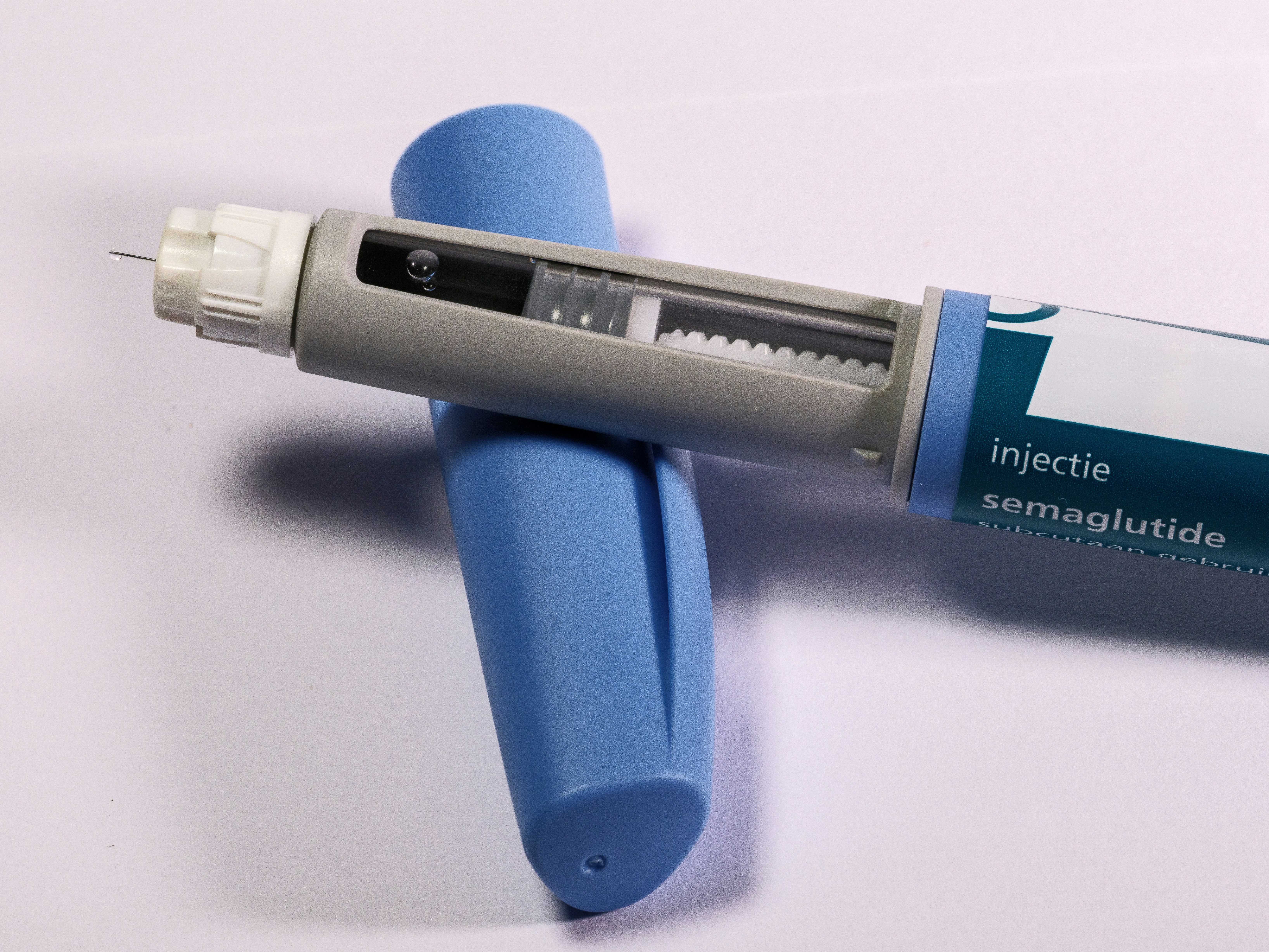
While insulin will always be essential for certain people, especially those with type 1 diabetes, the treatment toolbox has expanded. GLP-1 receptor agonists and combination GIP/GLP-1 medications have become more prominent because they can support blood sugar control and help reduce cardiovascular risk. For many patients, these medications delay or reduce the need for insulin injections, but they don’t eliminate them.
Technology continues to take center stage.
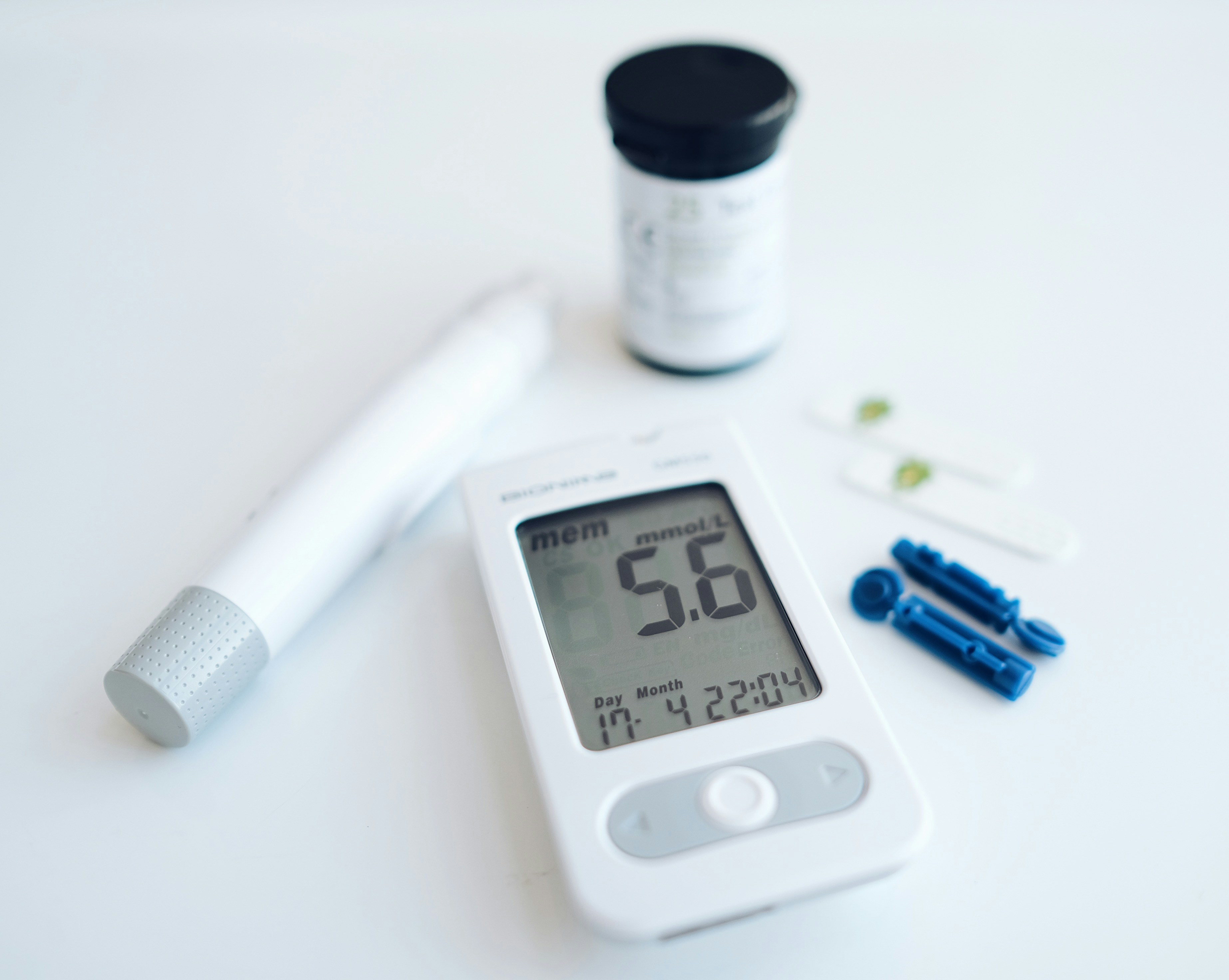
Continuous glucose monitors (CGM), automated insulin delivery systems, connected smart pens, and app-supported tracking tools are no longer niche options. The ADA strongly supports their use when patients are comfortable with the technology and can integrate it into their routines. Still, even the best device can’t replace a knowledgeable, consistent injection technique when injections are needed.
A sharper focus on prevention
The guidelines place more weight on identifying risks early, before diabetes or its complications develop. That includes screening, lifestyle interventions, and coaching patients on long-term habits that support better outcomes.
Why These Changes Matter
For patients, these updates translate into more choices and more flexibility. For healthcare professionals, they reinforce a growing truth: diabetes care is no longer just about controlling blood sugar. It’s about addressing the whole person, their environment, and their long-term health.
Even with modern tools and medications, a considerable portion of diabetes management still happens at home. That’s where safe injection practices come into play, not as a technical detail, but as a daily skill that directly affects comfort, safety, and glucose control.
The Everyday Importance of Safe Injection Practices
Anyone who uses insulin or injectable diabetes medications knows the routine. You prep the dose, choose a site, inject, dispose of the needle, and move on with your day. When done correctly, it becomes second nature. When done incorrectly, problems can develop quickly.
Repeated injections into the same spot can cause thickened tissue that alters absorption. Reusing needles, something many people don’t realize, is risky; it can lead to skin irritation, infection, and unpredictable dosing. Of course, sticking a used needle into regular household trash is dangerous for anyone who might come into contact with it later.
The ADA updates don’t introduce new injection rules, but the broader push for individualized, continuously reassessed care underscores why regularly reviewing injection technique is essential.
Simple Practices That Make a Big Difference
Here are a few habits that should be reinforced during routine check-ins or diabetes education visits:
Rotate injection sites consistently
Using the same area repeatedly causes tissue damage and absorption issues. A rotation plan, abdomen, thigh, arm, buttock, keeps the skin healthy.
Use a fresh needle every time
New needles reduce pain and ensure a clean, accurate injection. Once used, a needle becomes dull and bent, even if the damage isn’t visible.
Check the skin before injecting
Redness, swelling, or lumps are essential signals and shouldn’t be ignored.
Dispose of sharps safely
This is the step most frequently skipped or misunderstood. A safe disposal routine protects not only the patient but also family members and anyone involved in waste handling. One reliable option many people use is PureWay’s mail-back system, which makes responsible disposal both compliant and straightforward with safety guidelines.
Even With Advanced Technology, Technique Still Matters
Automated insulin delivery systems and pumps are remarkable tools, but they don’t remove the human element. Infusion sets must still be placed correctly. Backup injections are still necessary in certain situations. For many people, a combination of technology and manual injections will remain the norm.
If anything, the introduction of more delivery options makes education even more critical. Each device has its own nuances, and transitioning from one system to another is the perfect moment to refresh injection basics.
A Safer, Smarter Future in Diabetes Care
The 2026 Standards of Care highlight how far diabetes management has advanced, with more medication options, more technology, greater flexibility, and greater recognition of the circumstances that shape a person’s health.
Progress doesn’t erase fundamentals, though. Safe injection practices remain the quiet, steady foundation supporting all the innovation around them. Whether someone uses insulin daily or occasionally, good technique and safe disposal directly influence their comfort, their outcomes, and the safety of everyone around them.
As diabetes care continues to evolve, reinforcing these habits, along with the proper disposal tools, ensures that safety advances alongside science.