
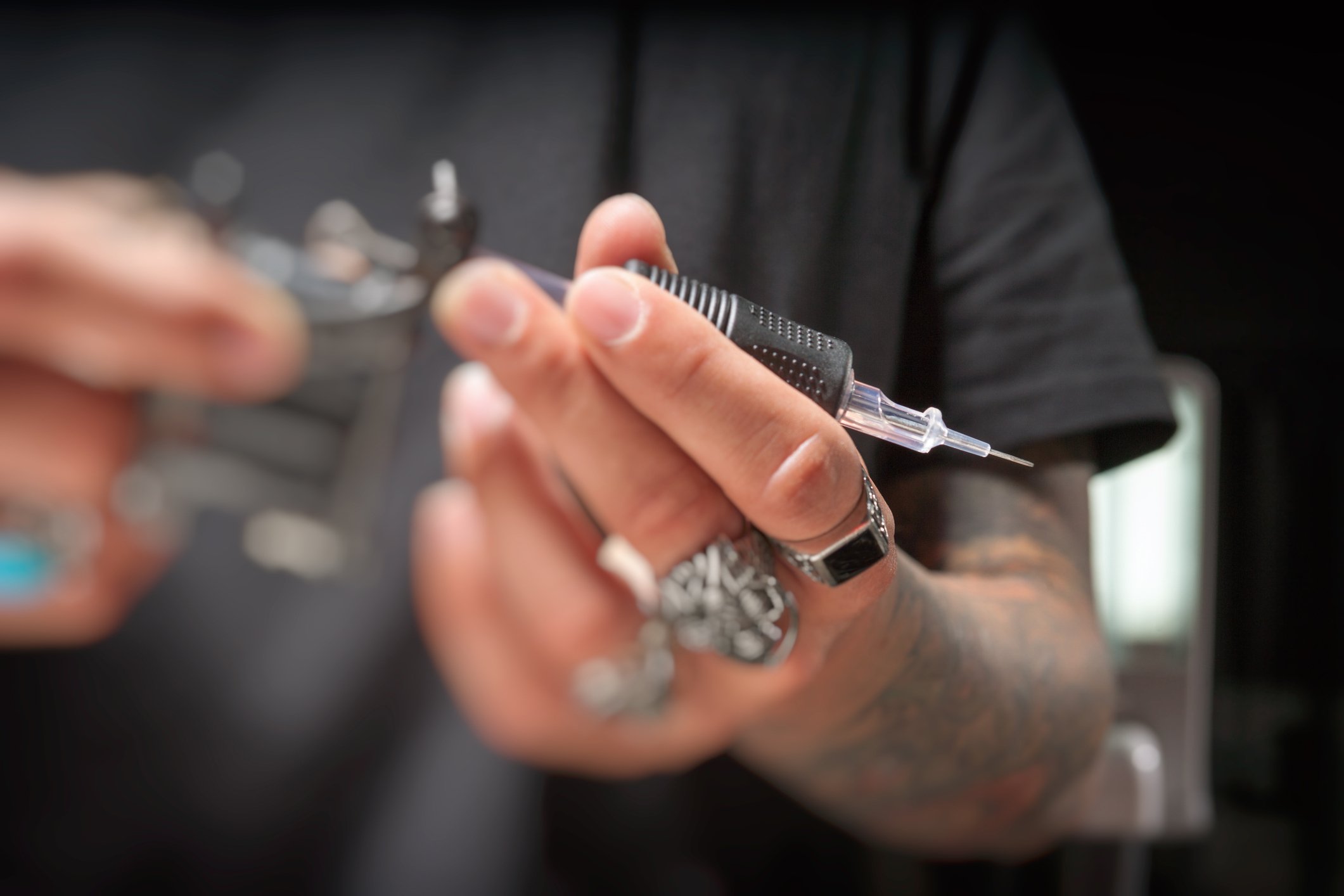
Tattoo waste disposal is a critical part of running a safe, professional studio. Every tattoo procedure generates regulated medical waste, including used needles, ink caps, blood-contaminated gloves, gauze, wipes, and other disposable supplies. As these materials may be exposed to bloodborne pathogens, they must be handled, stored, and disposed of according to strict federal and state regulations. Proper tattoo shop waste disposal not only protects artists and clients from potential infections, but it also shields shop owners from costly fines, OSHA violations, and reputational damage.
Tattoo shops generate a surprisingly high volume of waste, especially when serving multiple clients per day. By law, artists must use a brand-new, sterile needle for every client and every procedure. This requirement is essential for preventing cross-contamination and ensuring client safety, but it also means that tattoo needle disposal is an everyday necessity. When you combine sharps waste with contaminated soft materials, the need for a reliable, compliant tattoo shop waste disposal solution becomes clear.
Safe practices aren’t optional; they’re a legal and professional responsibility.
Why Tattoo Waste Disposal Is Highly Regulated
Federal Regulations
1. OSHA Bloodborne Pathogens Standard (29 CFR 1910.1030)
The Occupational Safety and Health Administration (OSHA) Bloodborne Pathogens Standard is the key federal workplace safety rule that governs how employers must protect workers from bloodborne infectious agents. This includes those encountered in tattoo shops when handling used needles and other contaminated materials. The standard applies to any situation where employees might reasonably be exposed to blood or other potentially infectious materials.
Key OSHA requirements include:
Exposure Control Plan: Employers must maintain a written plan identifying how they will minimize and manage exposure risks in the workplace. This plan must be reviewed and updated annually and made available to employees.
Engineering & Work Practice Controls: Employers must use controls to reduce exposure risk, including puncture-resistant sharps containers and safer needle devices, and enforce safe practices such as not recapping used needles.
Proper Sharps Handling: Contaminated sharps must be immediately placed in approved containers that are puncture-resistant, leak-proof, and labeled with the biohazard symbol.
Training & Education: Employers must train employees on the standard, hazard recognition, proper tattoo needle disposal practices, and emergency procedures at hire and at least annually thereafter.
These requirements ensure that anyone handling or disposing of tattoo needles and other contaminated waste understands risk and safe procedures, reducing occupational exposure.
2. DOT Regulations for Transporting Medical Waste
The U.S. Department of Transportation (DOT) regulates how to dispose of tattoo needles and how regulated medical waste, including sharps, is packaged and transported once it leaves the generating facility. The relevant regulations are found in 49 CFR 173.197, which specifies packaging requirements for transporting regulated medical waste.
DOT focuses on:
Packaging standards: Sharps and other medical waste must be placed in rigid, puncture-resistant containers that meet DOT standards for leak prevention and puncture resistance during transport.
Labeling and markings: Containers must be properly labeled with appropriate hazard information before being transported on public roads.
These rules help protect transportation workers and the public by ensuring that waste stays contained and clearly identified throughout shipment.
3. EPA Guidelines for Medical Waste
The Environmental Protection Agency (EPA) plays a supporting role in regulating medical waste handling to protect community health and the environment. Although the EPA does not currently have a standalone federal medical waste rule (federal oversight specific to medical waste ended with the expiration of the Medical Waste Tracking Act), it encourages proper disposal practices and works with state programs that enforce medical waste laws.
EPA involvement includes:
Environmental protection guidance: The EPA’s role emphasizes preventing environmental contamination from medical waste and ensuring that hazardous waste streams are properly identified and managed.
State partnerships: Because the EPA no longer directly regulates most medical waste, it defers to state environmental and health agencies to set and enforce detailed rules. Yet EPA guidance and frameworks often provide the basis for those regulations.
What These Federal Rules Mean for Tattoo Shops
Together, these federal regulations create a baseline compliance framework that tattoo businesses must follow for tattoo waste disposal:
- Sharps and contaminated items must be handled and disposed of in ways that protect staff and others from exposure.
- Waste must be contained in approved containers and transported under strict packaging standards.
- Employers must train staff and document procedures and exposures to stay compliant and safe.
These regulations exist because tattoo artists frequently handle blood-exposed equipment, which is why sharps disposal and regulated waste handling are treated with the same seriousness as other medical and healthcare settings.
State Regulations Vary Across the Country
While federal agencies like OSHA and DOT establish baseline safety and transportation rules, every state has its own medical waste regulations that tattoo shops must follow. These state laws often go further than federal standards, defining how tattoo waste is classified, how long it can be stored, how it must be packaged, and who is allowed to transport it. For tattoo shop owners, this patchwork of regulations can quickly become complex.
Example: California’s Medical Waste Management Act (MWMA)
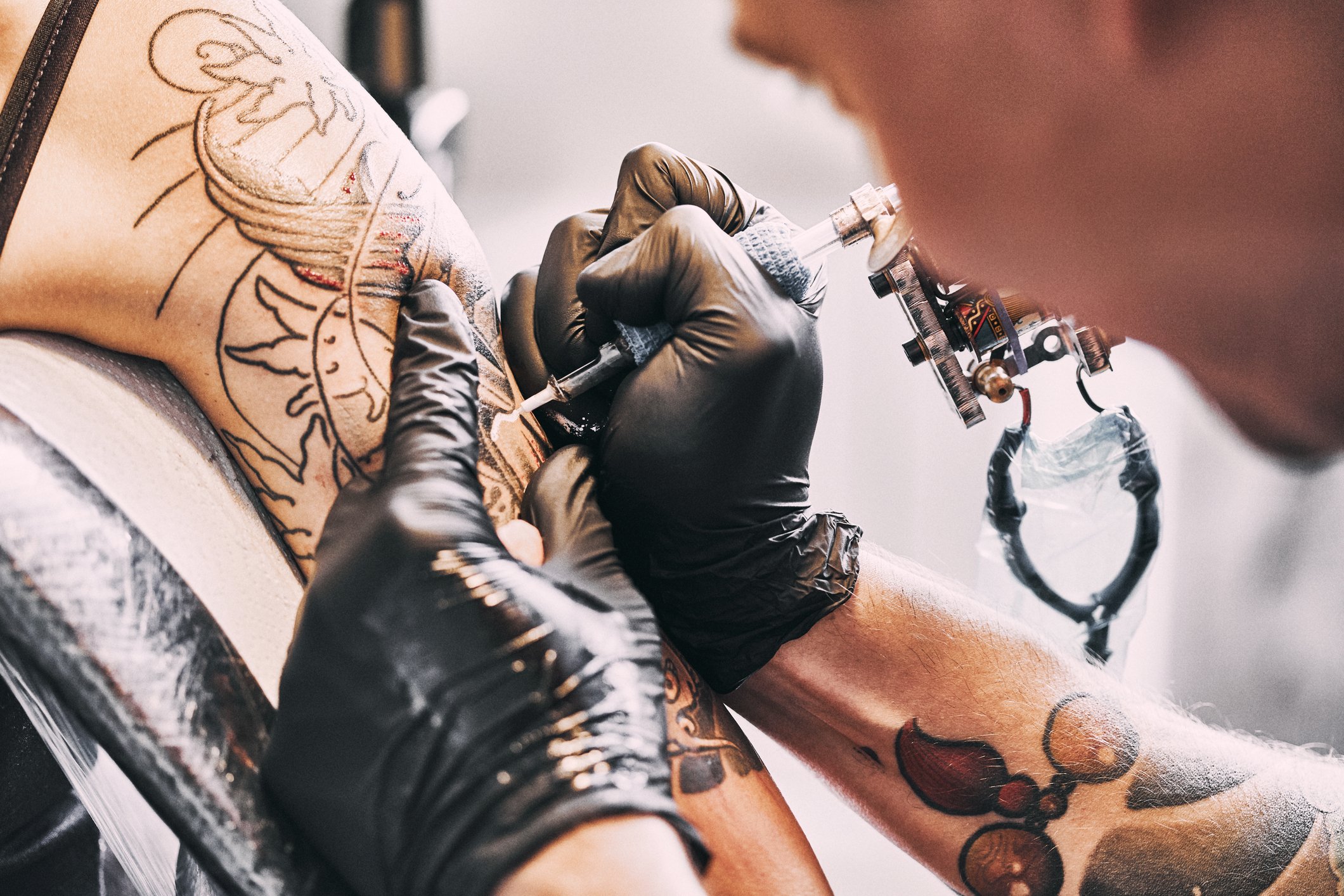
One of the most comprehensive examples of state-level oversight is California’s Medical Waste Management Act (MWMA), found in the California Health and Safety Code, Division 104, Part 14. Under the MWMA, tattoo needles and contaminated materials are defined as biohazardous or medical waste. Used tattoo needles, cartridges, and any materials contaminated with blood (including gauze, gloves, and wipes) fall under regulated medical waste categories. This means they must be handled according to strict state disposal laws rather than being thrown away in standard trash.
Approved sharps containers are required. California law requires sharps to be placed immediately into rigid, puncture-resistant, leak-resistant containers that are properly labeled with the international biohazard symbol. Containers must be maintained upright and replaced before they are overfilled.
Also, time limits apply to storage. The MWMA sets limits on how long medical waste can be stored before treatment or disposal. In many cases, generators producing smaller quantities of waste may store it for up to 30 days, while larger generators may have shorter time frames depending on volume and storage conditions. These limits are designed to reduce the risk of contamination or accidental exposure.
The law also states that disposal must be handled by registered entities. Tattoo shops in California must use a registered medical waste hauler or an approved medical waste mailback service to transport and treat their waste. The law requires proper documentation and tracking to ensure waste reaches an authorized treatment facility.
Why This Matters for Tattoo Shops Nationwide
California is just one example, but nearly every state has its own version of medical waste laws, often with different definitions, storage timelines, and transport requirements. What is permitted in one state may require additional documentation or different container specifications in another.
Understanding and keeping up with state-specific rules is essential to avoid fines, inspections, or business disruptions. That’s why having a tattoo needle disposal solution that aligns with both federal standards and varying state regulations is critical for simple, stress-free tattoo waste disposal.
The Volume of Waste in Tattoo Shops
Tattoo shops generate more regulated waste than many people realize. A key reason is the legal and professional requirement that a brand-new, sterile needle must be used for every client and for every procedure. This standard is essential for preventing cross-contamination and protecting both artists and clients from bloodborne pathogens. However, it also means that tattoo needle disposal is not an occasional task; it’s a daily, ongoing responsibility. For busy studios serving multiple clients each day, the volume of sharps waste alone can add up quickly.
Beyond needles, tattoo procedures generate a significant amount of additional regulated waste.
This includes:
- Used needles and cartridges that must be immediately placed in approved sharps containers
- Ink caps contaminated with blood, which qualify as biohazardous waste
- Gloves, gauze, wipes, and paper towels exposed to bodily fluids
- Disposable tubes and grips used during the tattooing process
Because many of these items are single use by design, the waste stream grows with every appointment. Even small or independent studios can produce a steady volume of both sharps and blood-contaminated soft waste. Without a clear system for tattoo shop waste disposal, materials can accumulate quickly, increasing compliance risks and creating storage challenges.
Improper tattoo waste disposal can quickly lead to serious consequences. Failing to follow OSHA’s Bloodborne Pathogens Standard, such as not using approved sharps containers or lacking proper training, can result in OSHA violations during inspections. Beyond regulatory issues, improperly discarded needles and contaminated materials pose significant health risks, including accidental needlesticks and exposure to bloodborne pathogens for employees, clients, sanitation workers, and the public.
Noncompliance can also trigger costly fines and penalties at both the state and federal levels, especially if waste is transported or stored improperly. Just as damaging is the reputational impact: in an industry built on trust and professionalism, unsafe tattoo needle disposal practices can harm client confidence and negatively affect a shop’s standing in the community.
The reality is simple: safe tattooing practices require disposable tools, and responsible operations require a reliable way to dispose of them.
Best Practices for Tattoo Waste Disposal
Proper Tattoo Needle Disposal
Proper tattoo needle disposal starts the moment a procedure is complete. Used needles and cartridges should be placed immediately into FDA-approved sharps containers that are puncture-resistant, leak-proof, and clearly labeled with the biohazard symbol. Delaying disposal, even briefly, increases the risk of accidental needlesticks and contamination. Sharps containers should always be kept upright, easily accessible at the point of use, and replaced before they become overfilled to ensure continued safety.
It’s also critical that artists never recap, bend, or break needles before disposal. These actions significantly increase the risk of injury and potential exposure to bloodborne pathogens. By making immediate, proper sharps disposal a consistent part of every procedure, tattoo shops can maintain compliance, protect staff and clients, and reduce workplace hazards.
Segregating Waste Properly
Effective tattoo waste disposal starts with understanding how regulated waste should be handled, but it doesn’t have to mean managing multiple complicated systems. With a comprehensive solution like a PureWay Compliance mail back container, tattoo shops can place both used sharps and blood-contaminated soft waste (including gloves, gauze, wipes, ink caps, and disposable tubes) into one compliant container designed for regulated medical waste. This eliminates the need to maintain separate disposal streams for different materials while still meeting federal and state requirements.
PureWay Compliance containers are engineered to meet applicable safety and transport standards, including proper labeling with the universal biohazard symbol. By using an all-in-one system that is clearly marked, secure, and approved for regulated waste, tattoo shops simplify tattoo shop waste disposal while protecting employees, waste handlers, and transport personnel from accidental exposure, all without the hassle of managing multiple vendors or disposal processes.
Storage & Documentation
Proper tattoo waste disposal doesn’t end once materials are placed in a container. Shops must store regulated medical waste in a secure, designated area that limits access and prevents accidental exposure while awaiting disposal. Just as important is maintaining accurate documentation, including manifests, tracking forms, and certificates of destruction, to demonstrate compliance during inspections.
With traditional pickup services, this often means coordinating routine hauler schedules and managing ongoing service agreements. With PureWay Compliance, however, the process is far simpler; once the container is full, you simply seal it and mail it back using the prepaid shipping system. There’s no need to schedule pickups or manage multiple vendors, and you receive proper documentation for your records, making compliance straightforward and stress-free.
Training Staff
Proper tattoo waste disposal relies on a well-trained team. Tattoo shop owners must ensure employees receive bloodborne pathogen training that covers safe handling of sharps, prevention of cross-contamination, and proper disposal procedures. OSHA also requires a written Exposure Control Plan outlining how the shop minimizes risk, manages contaminated materials, and responds to potential exposure incidents.
Regular safety reviews help reinforce these protocols, keep procedures up to date, and ensure ongoing compliance. By prioritizing consistent training and clear documentation, tattoo shops protect their staff, their clients, and their business.
Common Challenges in Tattoo Shop Waste Disposal
Limited Storage Space
Many tattoo studios operate in compact retail spaces where every square foot matters. Storing regulated medical waste safely while staying within state time limits can quickly become difficult, especially for busy shops generating daily sharps and biohazard waste.
Finding Reliable Medical Waste Haulers
Not all areas have multiple licensed medical waste haulers to choose from, and service reliability can vary. Missed pickups, rigid contract terms, or limited scheduling options can create compliance risks and operational headaches for shop owners.
Staying Compliant with Changing Regulations
Tattoo waste disposal is governed by federal, state, and sometimes local regulations, plus those requirements can change. Keeping up with updates to OSHA standards, state medical waste laws, and transportation rules can be overwhelming, particularly for independent shop owners without dedicated compliance staff.
Managing Costs
Traditional pickup services often require long-term contracts, monthly minimums, and fluctuating fees based on volume. For smaller or appointment-only studios, paying for scheduled pickups regardless of waste volume can strain operating budgets.
Handling Complex Tattoo Needle Disposal in Small Studios
Independent artists and small studios may not generate enough waste to justify large-scale hauling services, yet they are still subject to the same regulatory standards. Navigating packaging, labeling, storage, and documentation requirements without a streamlined system can make tattoo shop waste disposal feel far more complicated than it needs to be.
How PureWay Compliance Makes Tattoo Waste Disposal Simple
A Complete, Compliant Mailback System
PureWay Compliance offers more than just a sharps container. We provide a complete, fully compliant mail back system designed to simplify tattoo waste disposal from start to finish. Our system allows tattoo shops to safely collect used needles, cartridges, and blood-contaminated materials in one approved container without managing multiple vendors or disposal streams.
Each kit includes prepaid shipping, so once your container is full, you simply seal it and send it back — no scheduling pickups, no service contracts, and no interruptions to your workflow. All waste is sent for approved treatment and destruction at authorized facilities, ensuring it is handled according to strict regulatory standards.
After processing, you receive a certificate of destruction for your records, giving you documented proof of proper disposal in the event of an inspection. Our mailback solutions are designed to align with federal and state regulations. We help tattoo shops stay compliant, organized, and focused on what they do best: serving their clients safely and professionally.
Best PureWay Products for Tattoo Parlors
1. 1.4 Quart Sharps Container Disposal System
The 1.4-quart system is ideal for smaller tattoo studios, individual artists, or lower-volume days where you generate sharps waste more slowly. It’s compact enough to keep at the point of use, like chairside or on a procedure cart, and lets you collect used needles and small sharps without taking up much space. This size typically lasts 2–6 weeks in low-use settings before it’s ready to mail back for compliant disposal.
2. 1.2 Gallon Sharps Disposal System
Stepping up in capacity, the 1.2-gallon container works well for moderate use in tattoo shops that see regular appointments throughout the week. It’s a solid option for studios with consistent client flow that want fewer mail-back cycles without sacrificing compliance. This size often lasts about 1–3 months depending on your workload, making it a smart middle ground between small and larger systems.
3. 2 Gallon Sharps Disposal System
For tattoo shops that perform multiple procedures daily or have heavier sharps waste volumes, the 2-gallon disposal system provides extended capacity before you need to send it back. This size is designed for moderate, regular use and typically lasts around 1–2 months between returns. It reduces how often you manage full containers while still staying compact enough for studio use.
Choosing the right size helps you balance convenience and compliance. Pick a container that matches your shop’s appointment load so you’re disposing safely without unnecessary returns. If you find yourself filling containers more often than expected, consider sizing up to match your workflow.
Why Mailback Is Ideal for Tattoo Shops
Mail back disposal is uniquely suited for the way tattoo shops operate. Unlike traditional medical waste hauling services, PureWay Compliance mail back systems require no long-term contracts and no on-site pickups, giving shop owners greater flexibility and control. Once your container is full, you simply seal it and send it back using prepaid shipping. There is no coordinating schedules, no waiting for drivers, and no service interruptions during business hours.
Mail back also offers predictable pricing, which makes budgeting easier for both independent artists and growing studios. Because containers are compact and shipped when full, the system helps save valuable storage space, a major benefit for shops operating in smaller retail footprints. Whether you run a single-location studio or manage multiple shops across different states, a mail back system standardizes your tattoo shop waste disposal process. PureWay Compliance keeps compliance straightforward, organized, and stress-free so you can focus on your clients, not your waste vendor.
Make Tattoo Waste Disposal Simple with PureWay Compliance
Proper tattoo waste disposal isn’t just a regulatory requirement; it’s a fundamental part of running a safe, professional, and reputable tattoo shop. From using a brand-new sterile needle for every client to properly handling contaminated materials, artists generate regulated medical waste every single day. Federal OSHA standards and state medical waste laws make it clear: sharps and biohazardous materials must be stored, transported, and destroyed according to strict safety guidelines to protect employees, clients, and the community.
PureWay Compliance makes meeting those legal and safety requirements simple. With a complete mail back system, not just a sharps container, you get prepaid shipping, approved treatment and destruction, and documentation for your records, all in one streamlined solution. If you’re ready to simplify your tattoo waste disposal process, shop PureWay’s sharps and medical waste systems or request a quote to find the right fit for your establishment.