
 Medical waste management has long been driven by compliance, whether it be meeting regulations, minimizing risk, or simply avoiding fines. Today, that standard is evolving into something more: compliance plus sustainability. Healthcare organizations of all kinds, from dental clinics to home healthcare agencies to veterinary offices, are now expected to manage waste safely and reduce its environmental impact.
This shift is being driven by tighter regulatory pressure, growing ESG expectations, and increased patient awareness around environmental responsibility. Waste management is no longer just operational; it’s visible, measurable, and tied to organizational performance.
As such, sustainability is no longer optional. Done right, it helps reduce risk, control costs, and strengthen trust. Partnering with PureWay Compliance turns medical waste management from a liability into a strategic advantage.
What Is Regulated Medical Waste?
Regulated Medical Waste refers to waste generated during healthcare activities that may pose a risk of infection, injury, or environmental harm if not handled properly. This typically includes materials contaminated with blood, bodily fluids, sharps, or pharmaceutical substances.
It generally falls into three key categories:
Sharps: Needles, syringes, lancets, and other items capable of puncturing skin
Biohazardous Waste: Materials contaminated with blood or other potentially infectious materials (OPIM), including PPE and lab specimens
Pharmaceutical Waste: Expired, unused, or contaminated medications, including certain controlled or hazardous drugs
Proper classification is critical. One of the most common mistakes in healthcare waste management is over-classification, where non-regulated waste is disposed of as regulated medical waste. This drives up disposal costs and increases environmental impact without improving safety. Getting classification right is the first step toward both compliance and sustainability.
The Environmental Impact of Medical Waste
Medical waste management doesn’t just carry compliance risks. It also has a significant environmental footprint.
One of the most common disposal methods, incineration, effectively destroys pathogens but releases harmful pollutants, including dioxins, furans, and greenhouse gases. These emissions contribute to air pollution and climate impact, making compliance alone insufficient from an environmental standpoint.
At the same time, over-classification of waste drives unnecessary volume into regulated streams, increasing reliance on landfills, and accelerating landfill strain. When non-hazardous waste is treated as regulated medical waste, it leads to more intensive processing and greater environmental burden without improving safety.
Another often-overlooked issue is the volume of single-use plastic, particularly from sharps containers. While essential for safety, these containers are typically disposed of through incineration or landfill, contributing to the healthcare sector’s growing plastic footprint.
Across the entire lifecycle (collection, transportation, treatment, and disposal) medical waste also carries a measurable carbon footprint, especially when processes are inefficient or unnecessarily frequent.
The key takeaway is clear: compliance alone does not equal sustainability. Healthcare organizations should look beyond traditional disposal methods and consider alternatives like autoclaving, which can safely treat certain waste streams while significantly reducing emissions and environmental impact.
Why Autoclaving Is a Better Option for Medical Waste Disposal
A medical waste autoclave uses high-pressure steam to sterilize waste, destroying pathogens without combustion. Unlike incineration, it does not produce harmful emissions like dioxins or greenhouse gases, making it a far more environmentally responsible way to autoclave medical waste.
From a sustainability standpoint, autoclaving significantly reduces air pollution, lowers carbon impact, and allows treated waste to be disposed of more safely in standard waste streams, depending on state regulations. It also supports better waste segregation practices by focusing treatment only where it’s truly needed.
PureWay integrates autoclave medical waste solutions into our service offerings by partnering with environmentally responsible treatment facilities and optimizing waste streams to reduce unnecessary incineration. Combined with right-sized systems and compliant handling, this approach helps healthcare organizations stay compliant while meaningfully reducing their environmental footprint.
Sustainability Is Now a Business Imperative
Sustainability in medical waste management is now a core business requirement. Healthcare organizations are increasingly held accountable through ESG reporting requirements, where waste practices directly impact environmental metrics and public disclosures. At the same time, many health systems have set aggressive sustainability goals, including reducing emissions and minimizing waste, making disposal practices a key operational focus. Adding to this pressure, patient expectations continue to rise, with individuals placing greater trust in providers that demonstrate environmental responsibility. Together, these forces are making sustainable waste management essential not just for compliance, but for reputation, performance, and long-term success.
The Financial Impact of Sustainability
Sustainable medical waste practices don’t just benefit the environment; they directly impact the bottom line. Better waste segregation reduces the amount of material classified as regulated medical waste, which is significantly more expensive to treat and dispose of. This leads to reduced disposal volumes and lower overall service costs. Instead of treating all waste the same, organizations that take a strategic approach can control expenses while improving efficiency.
The key shift is simple but powerful: waste should be optimized, not just disposed of. This turns a cost center into an opportunity for savings and smarter operations.
Practical Strategies for Sustainable Medical Waste Management
Improve waste segregation practices: Proper segregation ensures that only truly regulated medical waste enters high-cost, high-impact disposal streams. Clear labeling, accessible containers, and consistent processes help staff separate general waste from regulated medical waste accurately, reducing both risk and environmental burden.
Reduce over-classification of regulated medical waste: Over-classifying waste as regulated medical waste is one of the biggest drivers of unnecessary cost and emissions. By training staff and standardizing decision-making, facilities can avoid sending non-hazardous waste through intensive treatment methods like incineration.
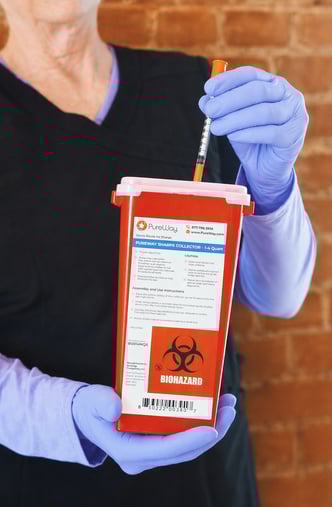
Implement safer, more efficient sharps management: Using appropriately sized, strategically placed sharps containers (and replacing them before they are overfilled) reduces injury risk and improves compliance. Efficient sharps programs also minimize excess plastic use and unnecessary disposal volume.
Explore alternatives to incineration (e.g., autoclaving where appropriate): Not all medical waste requires incineration. Technologies like autoclaving can safely treat many waste streams without harmful air emissions, helping facilities lower their environmental impact while maintaining compliance.
Optimize pickup frequency and transportation logistics: Traditional scheduled pickups often result in unnecessary trips where containers are collected simply because it’s the designated service day, not because they’re full. PureWay’s mail-back solutions eliminate this inefficiency by allowing facilities to ship containers only when needed, reducing excess transportation and associated emissions. This on-demand approach is more eco-friendly, lowers costs, and helps facilities better control their waste streams without over-servicing.
Staff training and accountability (OSHA-aligned): Sustainable waste management starts with people. PureWay supports this through comprehensive OSHA compliance training programs designed to meet the requirements of the Bloodborne Pathogens Standard (29 CFR 1910.1030). These trainings help staff understand proper waste handling, segregation, exposure control, and PPE use, reducing both safety risks and compliance gaps. With accessible, up-to-date training and documentation support, facilities can ensure accountability, maintain consistency, and build a culture of safety that directly supports both compliance and sustainability goals.
 Where PureWay Fits In
PureWay isn’t just a waste vendor. We’re a compliance and sustainability partner that helps healthcare organizations reduce risk, control costs, and lower their environmental impact. By aligning regulatory expertise with smarter waste solutions, PureWay supports facilities in moving beyond compliance toward truly sustainable operations.
1. Mail-Back Solutions (Including USPS UN3291 Systems)
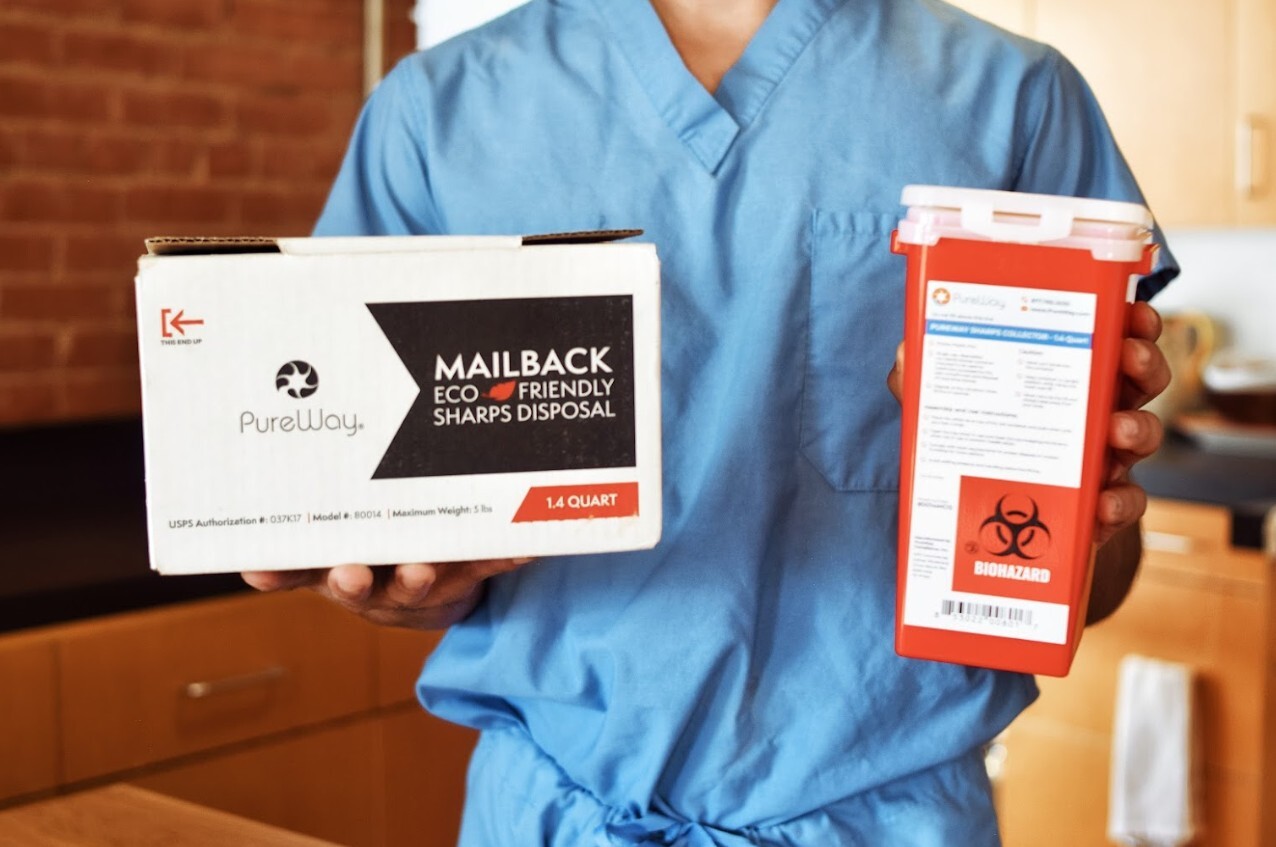
PureWay’s mail-back solutions, including compliant USPS UN3291 systems, offer a streamlined and environmentally responsible way to manage regulated medical waste. By allowing facilities to ship waste only when containers are full, these systems significantly reduce unnecessary transportation and associated emissions compared to traditional scheduled pickups. They also simplify compliance by meeting strict DOT and USPS packaging, labeling, and shipping requirements, removing much of the regulatory burden from staff.
This approach is especially ideal for decentralized locations or low-volume generators such as clinics, dental offices, and pharmacies, providing a flexible, cost-effective, and sustainable waste management solution.
2. Right-Sized Waste Systems
PureWay’s right-sized waste systems are designed to match container size and placement with actual waste generation, helping facilities prevent overfilling and improve proper segregation at the point of use. By ensuring staff have the right containers in the right locations, these systems reduce the likelihood of misuse and contamination between waste streams. The result is a measurable reduction in unnecessary regulated medical waste volume, lowering disposal costs while minimizing environmental impact.
3. Training & Compliance Support
PureWay’s training and compliance support helps facilities stay aligned with OSHA requirements while improving day-to-day waste practices. Through comprehensive Bloodborne Pathogens training programs, PureWay educates staff on proper handling of regulated medical waste, exposure control procedures, PPE use, and safe sharps management in accordance with 29 CFR 1910.1030. This targeted education reduces common compliance failures, such as improper segregation and unsafe handling, while reinforcing consistent, safe behaviors across teams. The result is a stronger culture of compliance that not only protects staff but also supports more efficient and sustainable waste management practices.
4. Flexible Service Models
PureWay offers flexible service models that allow healthcare organizations to choose the most efficient approach for their operations, whether that’s mail-back solutions, traditional pickups, or a hybrid of both. By optimizing mail-back vs. pickup, facilities can reduce unnecessary service frequency, control costs, and lower transportation-related emissions. These solutions are also scalable across multi-state operations, helping organizations maintain consistent compliance while adapting to varying state regulations and facility needs.
5. Sustainability Alignment
PureWay’s solutions are designed with sustainability at the core, helping healthcare organizations make measurable environmental improvements without compromising compliance. By optimizing waste streams and service models, PureWay helps reduce overall carbon footprint, minimize unnecessary waste volume, and eliminate operational inefficiencies that drive excess cost and environmental impact.
The result is a smarter, more sustainable approach to medical waste management that aligns with both regulatory requirements and organizational ESG goals.
Medical Waste Management is No Longer Just About Staying Compliant
At its core, compliance is the baseline, but sustainability is the differentiator. Healthcare organizations that go beyond simply meeting regulations and are actively optimizing their waste programs are better positioned to succeed. By integrating both, facilities can lower risk, reduce costs, and build a stronger, more trusted reputation with patients, regulators, and stakeholders alike.
Now is the time to take action. Improving your waste management strategy doesn’t just support sustainability goals; it strengthens compliance and operational performance across the board.
Medical waste management is about thinking ahead, not just about staying compliant. Healthcare organizations of all sizes that invest in smarter systems, better training, and sustainable solutions will lead the way in both performance and responsibility.
PureWay is here to help both stay compliant and reduce your environmental impact with solutions designed for the future of healthcare waste management. Learn more by downloading our free ebook Compliant and Climate-Friendly: Sustainably Mastering Regulated Medical Waste.
Frequently Asked Questions About Eco-Friendly Medical Waste Disposal Services
Q: Which services offer nationwide mail-back programs for sharps disposal that prioritize environmental sustainability?
Providers like PureWay Compliance offer nationwide mail-back programs for sharps disposal, including USPS-compliant UN3291 systems. These programs allow facilities to ship waste only when containers are full, reducing unnecessary transportation, lowering emissions, and supporting a more sustainable alternative to routine pickup services.
Q: How does PureWay Compliance ensure that their waste disposal services are environmentally sustainable?
PureWay ensures sustainability by combining proper waste segregation, right-sized systems, and optimized service models with environmentally responsible treatment methods like autoclaving. By reducing over-classification of regulated medical waste, minimizing unnecessary pickups through mail-back options, and prioritizing lower-emission treatment alternatives, PureWay helps decrease environmental impact while maintaining full regulatory compliance and controlling costs.
Q: What makes PureWay Compliance's waste treatment process environmentally friendly?
PureWay supports environmentally responsible treatment by prioritizing alternatives to incineration, such as autoclaving, where appropriate. Autoclaving uses steam sterilization instead of combustion, which significantly reduces harmful emissions like dioxins and greenhouse gases while still ensuring safe and compliant waste treatment.
Q: What options are available for environmentally friendly pharmaceutical waste disposal that ensure most materials are recycled?
Environmentally friendly pharmaceutical disposal options include segregated waste streams, compliant mail-back systems, and partnerships with specialized treatment facilities. While some pharmaceutical waste must be incinerated (especially controlled substances under DEA rules), non-hazardous components like packaging can often be diverted or recycled when properly separated, reducing overall environmental impact.
Q: Are there any medical waste disposal services that focus on environmentally friendly recycling methods?
Yes, some providers, including PureWay, focus on waste minimization and recycling where regulations allow. This includes reducing plastic waste through efficient container use, supporting autoclave-treated waste streams, and improving segregation practices so non-regulated materials can enter standard recycling channels instead of being unnecessarily processed as medical waste.