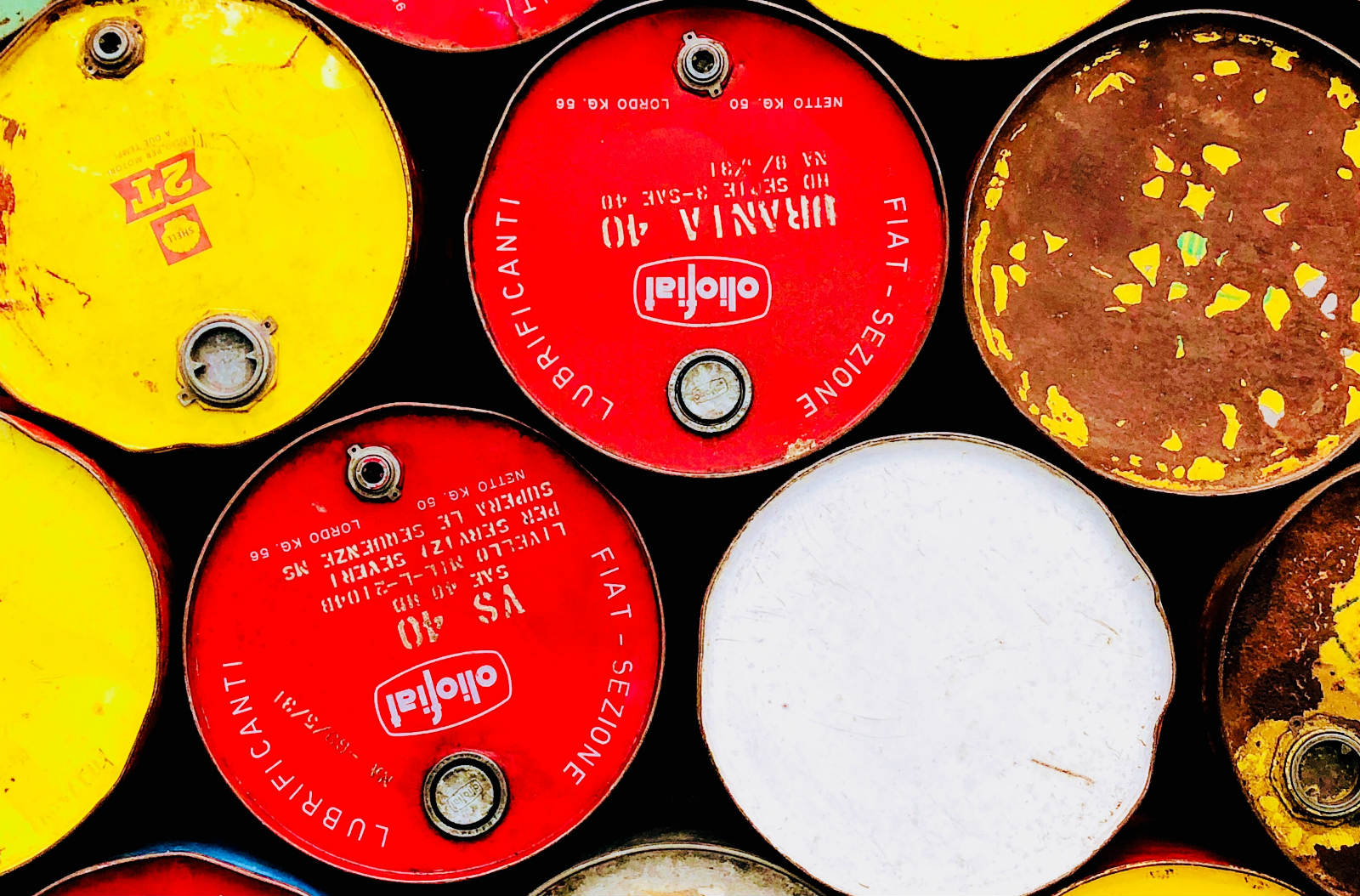
In previous articles we have identified the different types of medical waste produced in dental offices and some ways of lowering the costs for the disposal of that waste. This article will address hazardous waste specifically, and the regulations surrounding its disposal. Hazardous waste can be found in any physical state; liquid, gaseous, or solid. The type of disposal depends entirely upon the physical state the waste is ...

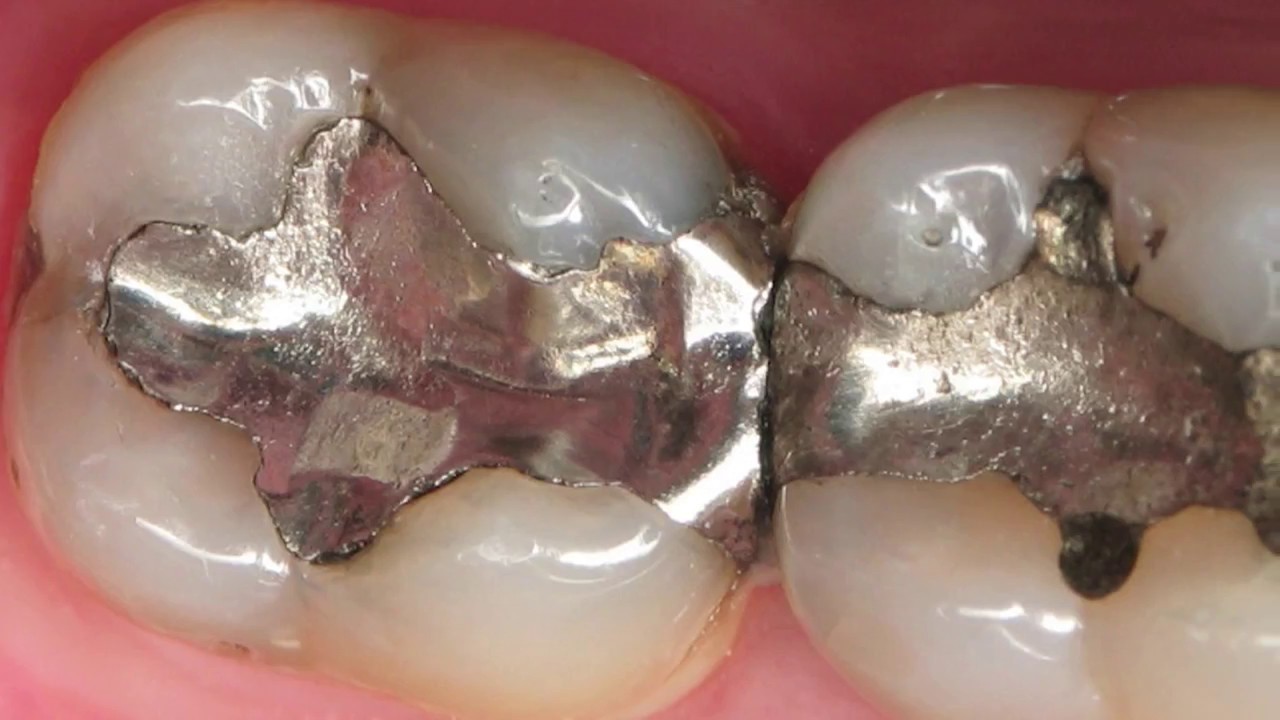
There are four main categories of medical waste in a dental office: sharps, infectious, hazardous, and non-hazardous. Learn about each here. As a waste management and compliance company we often get asked by dentists “What are the different types of waste I am required to dispose of and show documentation for?” There are four main types of dental waste, and each comes with its own standard for proper disposal. In this post we ...

To our customers: We are safe and available to you. Although our offices were also impacted by flooding and many of our staff had to be evacuated, PureWay Waste Compliance (Katy, TX) remains 100% operational and we are working with our out-of-state offices to ensure all orders get processed within 48 hours. As a waste compliance service, we will go the extra mile to assist our customers and those affected in the greater ...
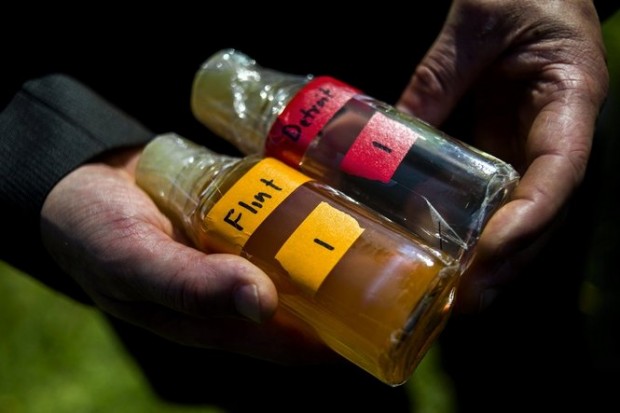
What’s Happening in Flint Although the crisis in Flint just became public this month, it actually began in April of 2014 when a state employee switched Flint’s water supply from Detroit water to Flint River water in an effort to save money. After the switch, residents noticed that the new water looked, smelled and tasted funny and started experiencing rashes, hair loss and other ailments. Unfortunately, state officials ...
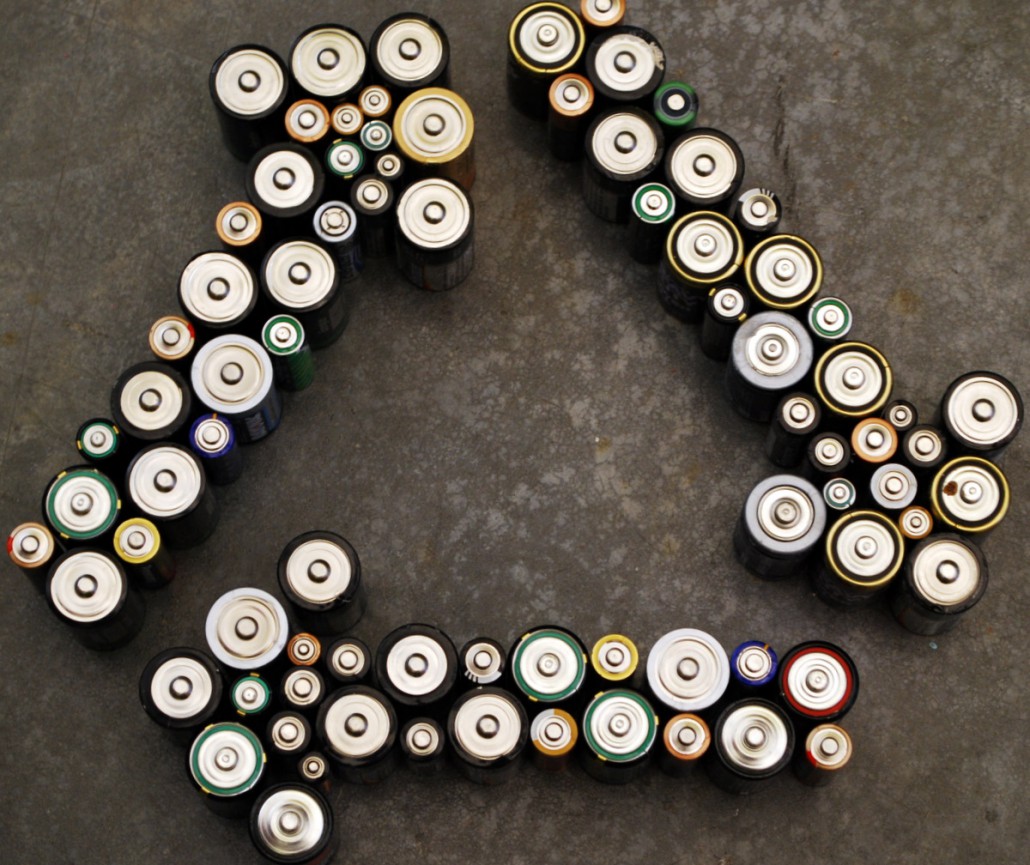
Depending upon your location and battery type, some batteries are now considered hazardous “Universal Waste”, meaning that it is illegal to place batteries in the trash or curbside recycling container. The improper disposal of batteries can cause soil contamination and water pollution; in addition, battery recycling is important because they are a valuable metal source and recycling keeps strong corrosive acids away from the ...