
May marks National Cancer Research Month, a time to recognize the progress made in the fight against cancer and the innovation shaping the future of care. Over the past decade, advancements in chemotherapy, targeted therapies, and personalized medicine have significantly improved patient outcomes and survival rates. At the same time, the rise of specialty pharmacies and at-home treatment options has made care more accessible and convenient, allowing patients to receive life-saving therapies in the comfort of their own homes.
As cancer care continues to evolve, so must our approach to safety. Innovation doesn’t stop at treatment. It extends to how we protect patients, caregivers, healthcare workers, and communities throughout the entire care journey. From administration to disposal, every step matters. As more treatments move beyond traditional clinical settings, ensuring the safe and responsible handling of trace chemo waste has become an essential part of advancing cancer care.
Advancing Cancer Care Means Looking Beyond Treatment
The definition of quality care is expanding. It’s no longer limited to effective therapies alone. Modern cancer care encompasses what happens before, during, and after treatment. The concept of “beyond treatment” reflects a more holistic approach, where patient safety at home, caregiver protection, and environmental responsibility are all critical components of the care journey.
With more patients receiving therapies outside of traditional clinical settings, the responsibility to ensure safe handling practices extends beyond healthcare facilities and into everyday environments.
This shift requires healthcare providers, pharmacies, and care teams to think more comprehensively about risk and responsibility. From protecting caregivers who assist with treatment at home to preventing harmful exposure and ensuring proper waste handling, modern cancer care must address the full lifecycle of treatment. Advancing care isn’t just about delivering better therapies. It’s about creating safer systems around them.
What happens after chemotherapy is administered?
The Overlooked Risk: Understanding Trace Chemo Waste
Trace chemo waste refers to materials that have come into contact with chemotherapy drugs but are not fully saturated with hazardous substances. Even in small amounts, these residues can pose risks if not handled and disposed of properly. Chemotherapy agents are designed to destroy rapidly dividing cells, so unintended exposure (no matter how minimal) can be harmful to healthcare workers, patients, and caregivers.
Common examples of trace chemo waste include items such as used vials, IV tubing, and personal protective equipment (PPE) like gloves and wipes. These materials are routinely used during the preparation and administration of chemotherapy, making proper containment in designated chemo waste containers or a chemo waste bin essential to maintaining a safe care environment.
Risks of Improper Disposal
Exposure to Healthcare Workers: Healthcare professionals who handle chemotherapy materials are at risk of accidental exposure when waste is not properly contained. Even trace amounts left on surfaces or materials can be absorbed through the skin or inhaled, leading to potential short- and long-term health effects.
Risk to Caregivers and Family Members: In home-care settings, improper disposal increases the likelihood that caregivers or family members may come into contact with contaminated materials. Without proper chemo waste containers, everyday interactions (such as handling trash or cleaning) can unintentionally expose others to hazardous drug residue.
Environmental Contamination: When trace chemo waste is disposed of incorrectly, it can enter standard waste streams and ultimately impact the environment. Chemotherapy agents can contaminate water systems and soil, posing broader public health risks and making proper disposal in a designated chemo waste bin essential for community safety.
Why Proper Chemo Waste Disposal Matters
Protecting Healthcare Workers
For healthcare professionals, especially those in specialty pharmacy and infusion settings, handling chemotherapy drugs is part of daily operations. While strict protocols exist during preparation and administration, the risk doesn’t end there. Occupational exposure can occur during cleanup and disposal if trace chemo waste is not properly contained. Repeated low-level exposure over time has been associated with potential health risks, making safe disposal practices just as critical as safe drug handling.
This is where proper containment plays a vital role. Using designated chemo waste containers ensures that contaminated materials (such as vials, tubing, and PPE) are securely isolated from staff and the surrounding environment. For pharmacy teams managing high volumes of hazardous medications, a reliable chemo waste bin system helps reduce exposure risk, maintain compliance, and support a safer workplace overall.
Safeguarding Patients and Caregivers
As cancer care increasingly shifts into the home, more patients are administering treatments outside of traditional clinical environments. Specialty pharmacies and providers play a key role in enabling this transition, but it also introduces new risks. Patients and caregivers may not have the same level of training or access to proper disposal systems, making them more vulnerable to accidental exposure when handling trace chemo waste.
Improper handling or disposal (such as placing contaminated materials in regular trash) can lead to direct contact with hazardous drug residue during routine activities like cleaning or waste removal. Providing access to appropriate chemo waste containers helps ensure that both patients and caregivers can safely manage disposal at home, reducing risk and supporting a more complete, responsible approach to care.
Protecting the Community and Environment
Improper disposal of trace chemo waste doesn’t just impact individuals. It can affect entire communities. Improper disposal of chemotherapy waste is a recognized environmental concern, so much so that the U.S. Environmental Protection Agency (EPA) classifies many chemotherapy-related materials as hazardous and has implemented regulations to prevent pharmaceutical waste from entering waterways.
When contaminated materials are placed in standard trash, they enter the general waste stream, increasing the risk of exposure for sanitation workers and potentially allowing hazardous drug residue to spread beyond its original point of use. Without proper containment in a designated chemo waste container or chemo waste bin, these materials can move through multiple touchpoints, amplifying the risk.
The long-term environmental impact is equally concerning. Chemotherapy agents can leach into soil and water systems if not handled correctly, contributing to broader ecological and public health challenges. This makes responsible disposal not just a best practice, but a shared responsibility. Providers and specialty pharmacies play a critical role in ensuring patients and caregivers have access to proper chemo waste containers and clear guidance, helping protect not only those directly involved in care but the community and environment as a whole.
Make Safe Disposal Part of the Standard of Care
The safe handling and disposal of chemotherapy-related materials isn’t just best practice. It’s reinforced by federal regulation. The EPA classifies many chemotherapy drugs and associated materials as hazardous pharmaceutical waste, with specific rules designed to prevent these substances from entering landfills and waterways. Under EPA regulations, pharmacies, healthcare facilities, and providers are responsible for ensuring that hazardous waste, including trace chemo waste, is properly managed from the point of use through final disposal. These guidelines exist because even small amounts of chemotherapy residue can pose risks to human health and the environment if they enter the general waste stream.
This is why disposal cannot be treated as an afterthought. It is a critical final step in the treatment journey. As cancer care continues to advance, true innovation means more than developing effective therapies; it means building safer systems and better processes that protect everyone involved. From preparation to administration to disposal, each step must be handled with the same level of care and accountability.
Using the right chemo waste bin system ensures that trace chemo waste is properly contained, compliance is maintained, and safety extends beyond treatment into every phase of care.
Introducing PureWay’s Chemo Waste Container Solutions
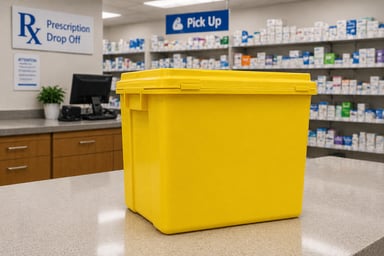
PureWay’s chemo waste container solutions are built with a clear focus on safety, compliance, and real-world usability. Designed to support healthcare providers, specialty pharmacies, and in-home care environments, PureWay systems help ensure that trace chemo waste is properly contained from the moment of disposal. With increasing regulatory oversight and growing demand for safer care practices, having a reliable, purpose-built chemo waste bin system is essential to protecting staff, patients, and caregivers.
Engineered to align with EPA guidelines and industry best practices, PureWay’s chemo waste containers are both compliance-driven and practical for everyday use. Whether in a high-volume pharmacy setting or a decentralized care environment, these solutions are designed to integrate seamlessly into existing workflows. They make safe, responsible disposal simple, efficient, and consistent across the entire care journey.
18-Gallon Trace Chemo Collection Bin System
The 18-Gallon Trace Chemo Collection Bin System is designed to meet the demands of high-volume healthcare environments where safe, efficient disposal of trace chemo waste is critical. Ideal for pharmacies, infusion centers, and hospitals, this larger-capacity chemo waste container supports streamlined operations while maintaining strict safety and compliance standards.
With its high-capacity design, this chemo waste bin reduces the frequency of change-outs, helping teams operate more efficiently and minimize workflow disruptions. Built for durability and ease of use, it enables staff to safely dispose of contaminated materials with confidence, supporting consistent handling practices across busy clinical settings. For organizations managing larger volumes of hazardous waste, this system provides a scalable, reliable solution that prioritizes both safety and operational efficiency.
8-Gallon Trace Chemo Collection Bin System
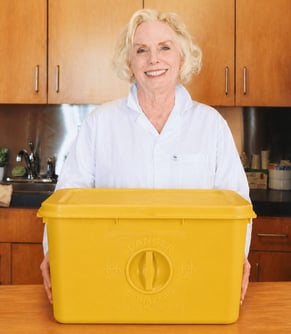
The 8-Gallon Trace Chemo Collection Bin System is designed for flexibility in lower-volume and space-constrained healthcare settings. Ideal for clinics, specialty pharmacies, and in-home care programs, this compact chemo waste container provides a practical solution for safely managing trace chemo waste without sacrificing compliance or ease of use.
Its space-efficient design allows for easy placement in smaller environments, while the manageable size supports convenient handling for staff and caregivers alike. Built to adapt to decentralized care models, this chemo waste bin offers the versatility needed for evolving treatment settings. The 8-Gallon Trace Chemo Collection Bin System ensures safe, responsible disposal wherever care is delivered.
Built for Safety, Designed for Simplicity
Both PureWay chemo waste container systems are engineered to deliver consistent safety and ease of use across a variety of care settings. Each chemo waste bin is designed to provide secure containment of trace chemo waste, helping minimize exposure risks for healthcare workers, patients, and caregivers. These systems make proper disposal straightforward, whether in a busy pharmacy or an in-home care environment.
In addition to ease of use, PureWay’s chemo waste containers are built to support regulatory compliance, aligning with EPA guidelines and industry best practices for hazardous waste handling. Their scalable design allows organizations to choose the right size based on volume needs, ensuring flexibility without compromising safety. Whether managing high or low volumes, PureWay provides a reliable solution that adapts to the evolving landscape of cancer care.
Responsibly Advancing Cancer Care
As we recognize National Cancer Research Month, it’s important to remember that progress in cancer care isn’t defined by treatment innovation alone. True advancement means looking at the full picture and ensuring that every step of the care journey is designed with safety, responsibility, and long-term impact in mind. From the moment therapy begins to the final step of disposal, each touchpoint plays a role in protecting health and well-being.
Cancer care doesn’t just affect patients. It involves providers delivering treatment, caregivers offering support, and communities that share in the responsibility of safe practices. By prioritizing proper handling and disposal of trace chemo waste, we help safeguard everyone involved. Advancing cancer care means creating systems that don’t just treat disease, but protect people at every stage, and in every setting.
Take the Next Step Toward Safer Chemo Waste Disposal
Advancing cancer care requires action at every level, including how we manage what comes after treatment. By choosing the right disposal solutions, providers and care teams can extend safety beyond administration and into everyday practice. Explore PureWay chemo waste containers and choose the right size for your needs, whether you’re managing high volumes or supporting care in more flexible settings. Support safer, more responsible cancer care today.