
Allergy care is evolving at a remarkable pace. What once centered primarily around antihistamines, inhalers, and traditional immunotherapy has expanded into a new era driven by biologic medications. These advanced therapies are transforming outcomes for patients with severe asthma, chronic rhinosinusitis with nasal polyps, atopic dermatitis, chronic spontaneous urticaria, and other immune-mediated conditions. As innovation accelerates, however, many practices are discovering that one critical operational area has not kept pace: medical waste management.
Biologics are not just changing how we treat patients. They are reshaping the day-to-day workflow of allergy and immunology clinics. With that shift comes a new level of responsibility when it comes to sharps disposal and compliance.
The Rise of Biologics in Allergy and Immunology
Biologic medications target specific pathways in the immune system, often focusing on key inflammatory drivers such as interleukins. For patients who have struggled for years with uncontrolled symptoms, these therapies can be life changing. Reduced exacerbations, fewer emergency visits, improved lung function, and better quality of life are now realistic outcomes for many individuals with severe allergic disease.
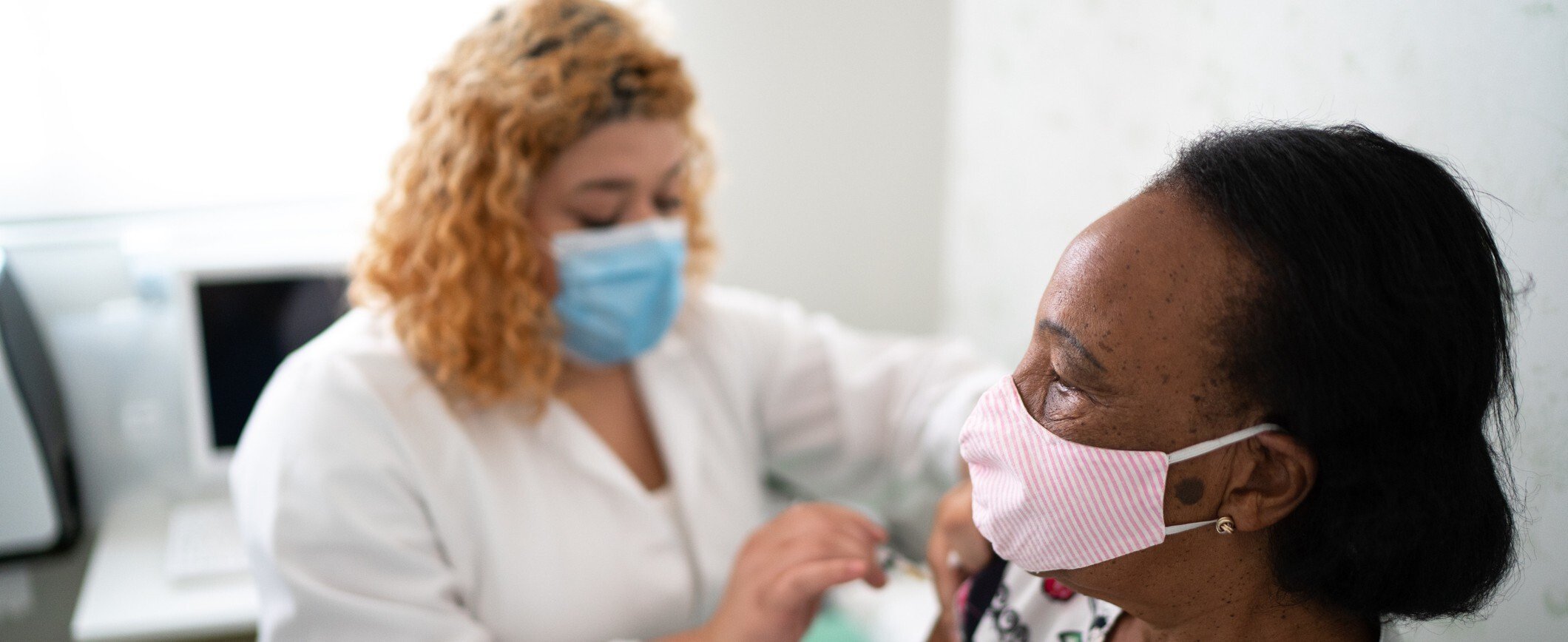
As more biologics receive approval and indications to expand, clinics are seeing increased patient volume for injections and maintenance therapy. Some biologics are administered in office settings, while others are transitioning to self-administration at home. Either way, the growth in injectable therapies means a steady increase in used syringes, auto-injectors, and related sharps waste.
This is not a temporary trend. The pipeline for biologic therapies continues to expand, and payer coverage is becoming more common as long-term data demonstrates their value. For allergy practices, biologics are no longer a niche offering. They are becoming a core part of modern care.
More Injections, More Responsibility
With increased injection frequency comes an increase in regulated medical waste. Used needles, syringes, and auto-injectors are classified as sharps and must be handled in accordance with federal and state regulations. Improper disposal can pose risks to staff, patients, custodial teams, and the broader community.
In busy clinics, medical waste management can easily become an afterthought. Containers fill up more quickly than expected. Storage space becomes tight. Pickup schedules that worked five years ago may no longer align with current patient volume. As more patients transition to at-home administration, clinics face a new challenge: educating patients about safe disposal beyond the walls of the practice.
A biologic program that is clinically advanced but operationally outdated creates unnecessary risk. Compliance gaps, inconsistent container usage, or reliance on informal disposal practices can expose practices to citations, fines, and reputational harm. More importantly, they can undermine the safety standards that patients expect from specialty care providers.
The Home Injection Shift
One of the most significant shifts in allergy care is the move toward patient self-administration. Many biologics now come in prefilled syringes or auto-injectors designed for home use. While this empowers patients and improves convenience, it also transfers part of the waste of responsibility into the home environment.
Patients often ask a simple question: “What do I do with this after I use it?” If the answer is vague or inconsistent, the result can be needles placed in household trash, overfilled containers, or improvised disposal methods that put sanitation workers at risk.
Forward-thinking allergy practices are recognizing that disposal education is part of comprehensive care. Just as patients receive instruction on injection technique, they should also receive clear guidance on safe sharps disposal. Providing structured solutions not only protects public health but reinforces a clinic’s commitment to patient safety and environmental responsibility.
Compliance Is Not Static
Regulatory requirements for medical waste are not static, and enforcement can vary by state. Practices that have not revisited their waste programs in several years may be operating under outdated assumptions. Increased biologic use changes waste volume, storage needs, and potentially transportation logistics.
A modern waste strategy should align with current patient volume, injection frequency, and storage capacity. It should also support documentation and compliance standards that are defensible in the event of an audit or inspection. As the clinical side of allergy care advances with targeted therapies, operational systems must advance with it.
Aligning Innovation with Infrastructure
Biologics represent precision medicine at its best. They are targeted, data-driven, and outcome-focused. The infrastructure surrounding them should reflect the same level of intention.
For clinics, that means evaluating whether current sharps container sizes are appropriate, whether pickup schedules are optimized, and whether patient education materials address at-home disposal clearly and consistently. It also means considering scalable solutions that can grow with the practice as biologic adoption continues to expand.
At PureWay, we work with allergy and immunology practices to simplify sharps disposal through compliant, mail-back systems designed to reduce logistical burden while maintaining regulatory standards. For patients administering biologics at home, mail-back options provide a straightforward way to return used sharps for proper processing, helping ensure that innovation in treatment is matched by responsibility in disposal.
As biologics continue to reshape allergy care, clinics have an opportunity to evaluate not just their clinical protocols, but the operational systems that support them. Waste management may not be the most visible aspect of patient care, but it is imperative to safety, compliance, and community protection.
Innovation should never stop at injection. It should extend to responsible disposal. You can find out more or shop containers on our website www.pureway.com.
Sources
- U.S. Food and Drug Administration (FDA) – Biologic therapies and approvals in asthma and allergic disease
- American Academy of Allergy, Asthma & Immunology (AAAAI) – Guidance on biologics in allergy practice
- Centers for Disease Control and Prevention (CDC) – Sharps safety and disposal recommendations
- Environmental Protection Agency (EPA) – Medical waste management guidelines