
Every spring, allergy clinics prepare for the obvious challenges, including increased patient volume, packed waiting rooms, and a higher demand for testing and immunotherapy. Most clinics see more phone calls, more follow-up appointments, and tighter schedules across nearly every department this time of year. What receives far less attention is the operational pressure building quietly in the background: the dramatic increase ...

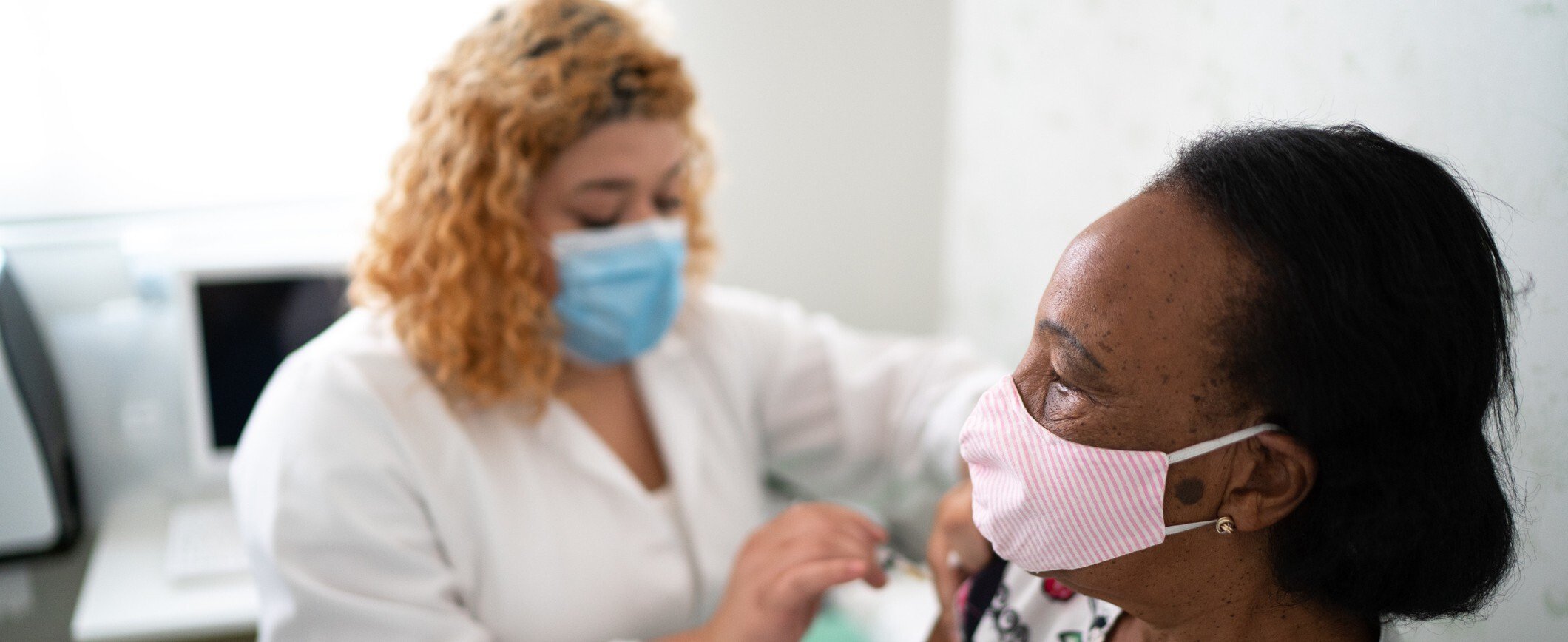
Allergy care is evolving at a remarkable pace. What once centered primarily around antihistamines, inhalers, and traditional immunotherapy has expanded into a new era driven by biologic medications. These advanced therapies are transforming outcomes for patients with severe asthma, chronic rhinosinusitis with nasal polyps, atopic dermatitis, chronic spontaneous urticaria, and other immune-mediated conditions. As innovation ...
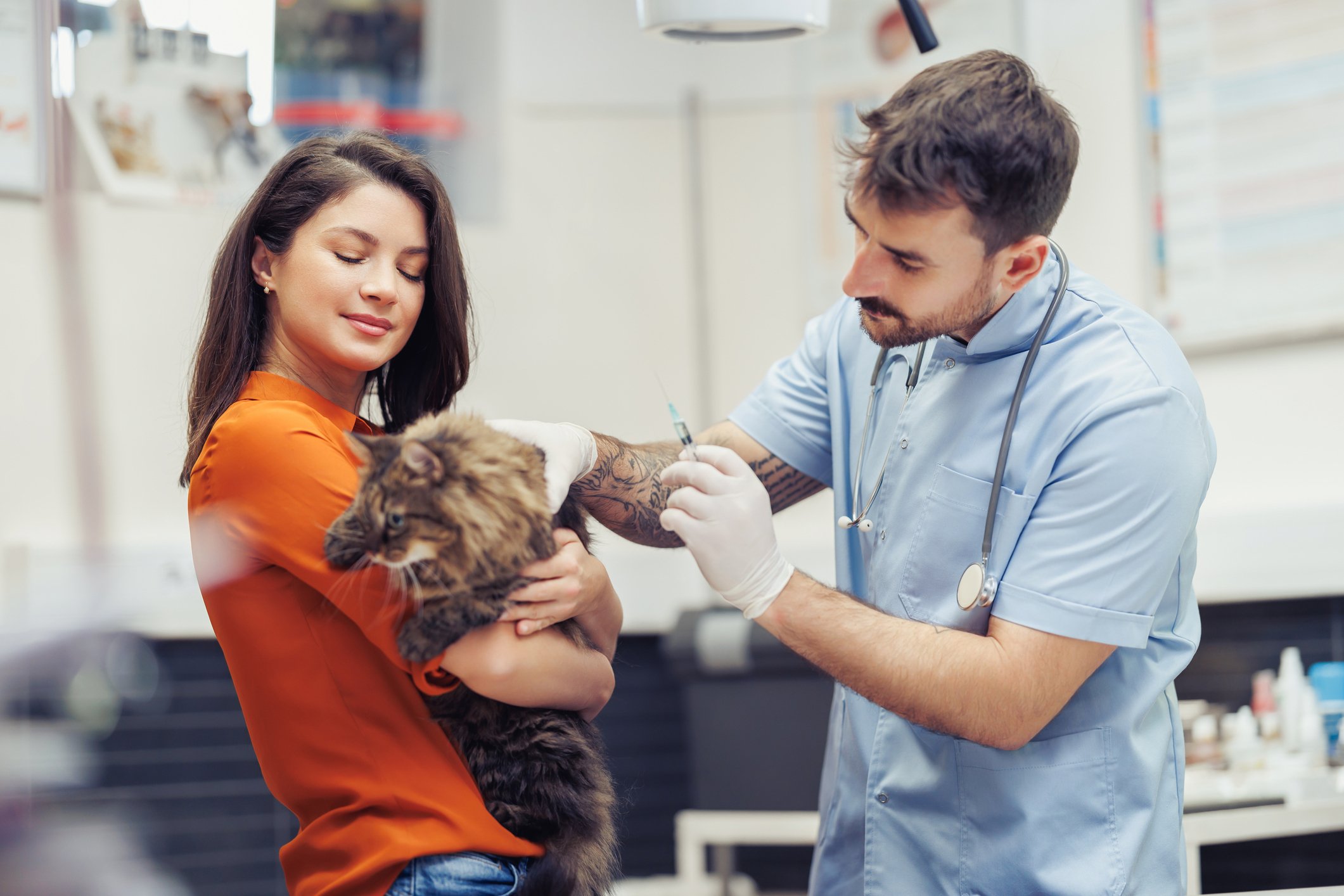
Veterinary medicine today looks very different than it did even a decade ago. Clinics are seeing higher patient volumes, more complex diagnostics, and a growing reliance on injectable treatments for both chronic and acute care. With that shift comes an increase in medical waste, such as sharps, that must be handled safely, compliantly, and consistently. Still, veterinary waste disposal is often treated as a background ...

When an injectable device malfunctions, the moment doesn’t end with a patient reporting a complaint. In fact, that’s where a much larger process starts to begin. Behind every reported misfire, incomplete dose, or device failure is a complex workflow involving patient safety, regulatory compliance, product investigation, and secure disposal. These processes are often invisible to patients, yet they play a critical role in ...

In November, the world comes together to recognize the strength, resilience, and stories of people living with diabetes. World Diabetes Day is held on November 14, while National Diabetes Month is throughout November. Both shine a light on what millions of individuals experience daily living with diabetes including the challenges of managing a chronic condition and the hope that comes with awareness. At PureWay Compliance, we ...

Independent pharmacies across the U.S. are redefining what local healthcare looks like. They are no longer just about filling prescriptions. They are providing immunizations, managing chronic conditions, offering CLIA-waived lab testing, and supporting long-term care. For many communities, these pharmacies remain the most accessible healthcare providers, stepping in where others can’t. The 2024 NCPA Digest highlights this ...

GLP-1 medications have become a regular part of life for many people managing diabetes or pursuing weight loss. But as travel becomes more frequent, whether for business or vacation, so does the need to navigate injectable medication on the go. If you’ve ever wondered whether you can travel with your GLP-1, or how to properly dispose of sharps while away from home, the good news is: yes, you can travel safely and legally. But ...
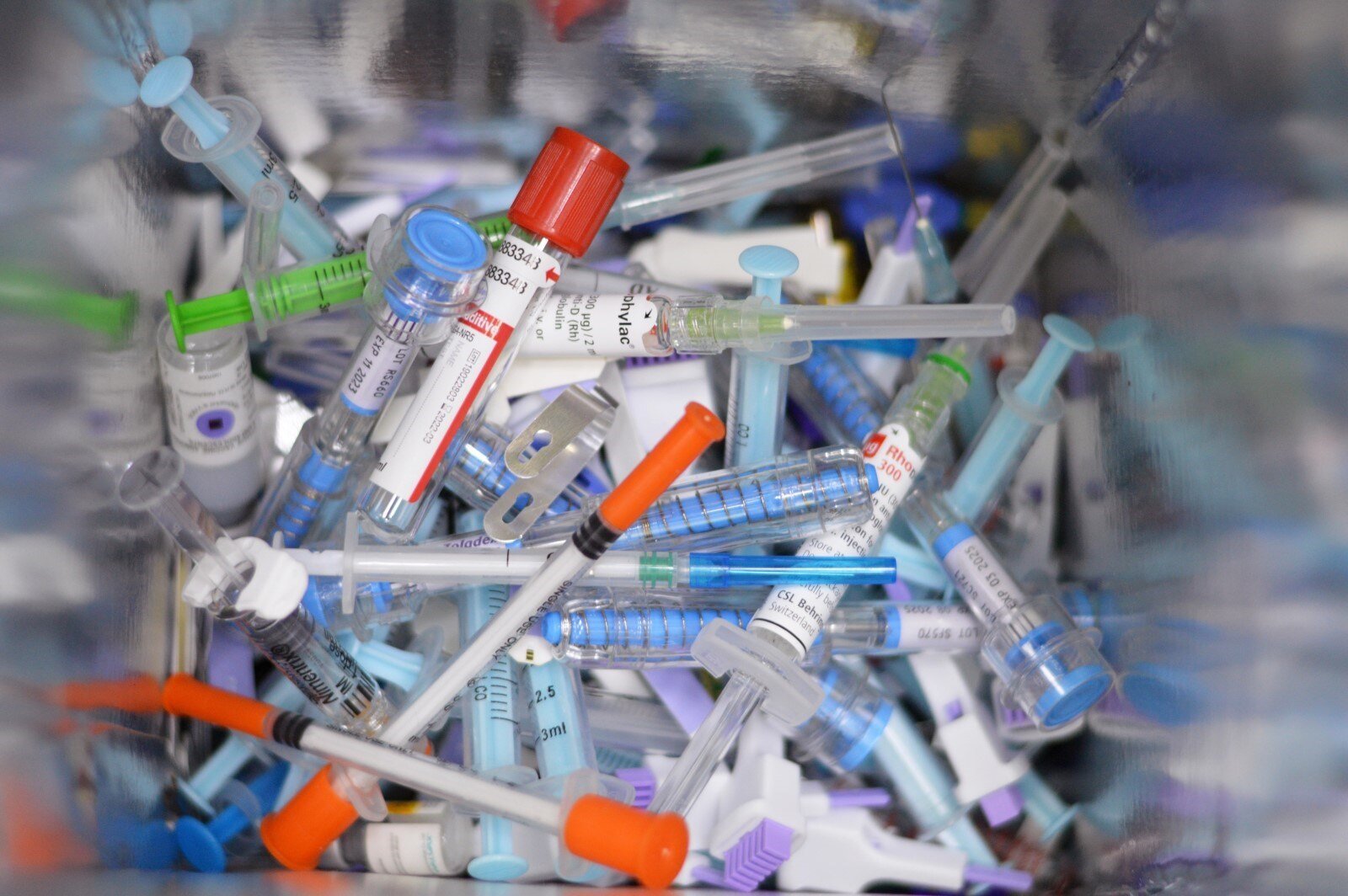
Every day, healthcare facilities, pharmacies, and homes generate medical waste. Items like used needles, syringes, and other sharps or medical waste. While these materials are essential for treating illnesses and managing health, their improper disposal poses significant risks to people and the environment. This issue is more than just a healthcare problem; it’s a community-wide concern that affects us all. Why Improper ...

Starting a new medication is never easy. The challenges can be particularly daunting when the medication needs to be self-administered through injections. Not only are there mental obstacles to overcome, such as the fear of self-injecting, but there are also financial considerations to bear in mind. This post aims to provide a comprehensive guide to the self-injectors and also extend an olive branch to the manufacturers. ...

The most recent COVID-19 therapy to make headlines is Paxlovid. The Food and Drug Administration (FDA) gave the medication an emergency use authorization (EUA) in December for those 12 years of age and older who weigh at least 88 pounds and are at high risk for developing a severe illness. High-risk individuals can take Paxlovid, an oral antiviral medicine, at home to avoid getting sick to the point where they need to be ...