

Every spring, allergy clinics prepare for the obvious challenges, including increased patient volume, packed waiting rooms, and a higher demand for testing and immunotherapy. Most clinics see more phone calls, more follow-up appointments, and tighter schedules across nearly every department this time of year.
What receives far less attention is the operational pressure building quietly in the background: the dramatic increase in sharps waste and regulated medical waste generated during peak allergy season.
As allergy care continues evolving through traditional immunotherapy, biologics, and expanded injectable treatment options, clinics are producing more needles, syringes, auto-injectors, alcohol prep materials, and contaminated sharps waste than many disposal programs were originally built to handle. What once felt manageable during slower parts of the year can quickly become overwhelming once patient demand spikes in the spring and summer months.
For many clinics, waste management is something that operates silently in the background until something disrupts workflow. Containers fill too quickly. Storage areas become crowded. Pickup schedules no longer align with patient volume. Staff members begin spending more time managing waste logistics instead of focusing on patient care.
In allergy care specifically, these seasonal increases are not small fluctuations. They are often dramatic operational shifts that affect nearly every part of the clinic environment.
The Growing Waste Impact of Modern Allergy Care
Allergy immunotherapy remains one of the most widely used long-term treatment options for allergic disease. Unlike medications that temporarily suppress symptoms, allergy shots work by gradually training the immune system to become less reactive to allergens over time. Many patients receive injections weekly during buildup phases before transitioning into long-term maintenance schedules that can continue for years. (mayoclinic.org)
As clinics continue seeing rising rates of asthma, environmental allergies, food allergies, and immune-related conditions, injection volume naturally increases alongside patient demand. The result is a steady accumulation of sharps waste that must be managed safely, compliantly, and consistently every single day.
At the same time, biologic therapies are fundamentally reshaping the allergy and immunology landscape.
Advanced injectable medications used to treat severe asthma, eczema, chronic rhinosinusitis, urticaria, and other inflammatory conditions are becoming more common in both specialty practices and outpatient settings. These therapies often involve prefilled syringes, auto-injectors, specialty packaging, and additional sharps-related waste streams that many clinics were not dealing with at the same scale even a few years ago.
The conversation around allergy care typically centers around innovation, patient outcomes, and expanding access to treatment. Those are important discussions, but there is another side of modern allergy care that deserves more attention: what happens after the injection. Every increase in patient volume creates a parallel increase in medical waste volume.
Why Sharps Disposal Becomes More Challenging During Peak Season
For clinics already operating with limited storage space, lean staffing models, or aging sharps disposal programs, peak allergy season can expose operational weaknesses quickly. A pickup schedule that once worked perfectly in the winter may suddenly feel insufficient in the spring or summer. Sharps containers that once lasted weeks may now fill in days. Overflow concerns become more frequent and compliance risks become harder to ignore.
Unlike many other operational challenges, medical waste cannot simply be pushed aside until things slow down.
Sharps disposal directly impacts workplace safety, compliance standards, staff efficiency, and patient trust. OSHA defines sharps as contaminated objects capable of penetrating skin, including needles, syringes, lancets, scalpels, and injectable devices. These materials require proper containment, transportation, treatment, and disposal under strict federal and state regulations. (osha.gov)
Improper disposal practices do not just create theoretical risks. They create real risks for nurses, physicians, medical assistants, environmental services teams, sanitation workers, and patients themselves. Overfilled containers, improperly stored sharps, or inconsistent disposal processes increase opportunities for accidental exposure and needlestick injuries during already busy clinical periods.
What makes this particularly challenging for allergy clinics is that disposal issues rarely happen in isolation. Waste management problems often create ripple effects across the entire operation.
When staff members must constantly monitor overflowing containers or coordinate emergency pickups, valuable clinical time is lost. When storage space becomes overwhelmed with waste accumulation, operational efficiency suffers. When clinics begin scrambling to adjust disposal logistics during peak season, stress increases across already stretched teams.
That is why the strongest healthcare waste programs are proactive rather than reactive.
The Shift Toward More Flexible Disposal Partnerships
The most effective allergy clinics are beginning to recognize that disposal systems should scale alongside patient demand, not remain static while clinical operations evolve around them.
This shift in thinking is becoming increasingly important as healthcare continues moving toward more outpatient and patient-centered care models. Allergy and immunology practices today are balancing traditional immunotherapy alongside biologics, at-home injection education, specialty medications, and increasing patient expectations around convenience and safety.
Waste management now sits directly within that operational ecosystem. Historically, much of the medical waste industry focused almost entirely on removal. But many healthcare organizations today are looking for partners that do more than simply remove containers once they are full. They are looking for solutions that simplify operations, improve flexibility, support compliance, and align with broader sustainability goals.
At PureWay, allergy clinics and healthcare facilities have access to flexible sharps disposal and regulated medical waste solutions designed to adapt alongside changing operational needs. Rather than forcing practices into one rigid disposal model, PureWay offers scalable options including mail-back systems and ongoing service programs that help clinics safely manage fluctuating waste volumes throughout the year.
That flexibility becomes especially valuable during seasonal surges. Instead of waiting until containers overflow or emergency pickups become necessary, clinics can build disposal programs that anticipate periods of increased patient traffic before operational strain begins affecting staff workflows.
Sustainability Is Becoming Part of the Conversation
This becomes even more important as sustainability continues to gain attention across healthcare.
Healthcare organizations are under growing pressure to reduce environmental impact while still maintaining strict compliance and patient safety standards. Allergy clinics may not always think of themselves as major contributors to healthcare waste discussions, but the reality is that injection-based care generates a significant amount of single-use material over time.
Many biologic therapies rely heavily on plastic packaging, prefilled syringes, injector pens, and disposable materials. As utilization grows, clinics are beginning to ask larger questions not only about how waste is managed, but how responsibly it is processed after leaving the facility.
That conversation is beginning to reshape expectations around disposal partnerships entirely.
PureWay’s approach emphasizes not only compliant handling and transportation, but environmentally conscious treatment processes whenever possible. Returned sharps and regulated medical waste are processed using approved treatment technologies such as autoclaving and other regulated methods designed to safely render waste non-hazardous. Whenever feasible, recyclable materials are recovered as part of the process to help reduce landfill impact and support more sustainable healthcare waste practices.
For many clinics, sustainability used to feel secondary to operational concerns. Increasingly, the two are becoming more connected.
The Operational Details Patients Notice
Patients notice operational details more than healthcare organizations sometimes realize. They notice whether a clinic appears organized, modern, and safety focused. It’s also likely that they notice whether workflows feel smooth or chaotic. While patients may never directly ask about a clinic’s disposal program, visible inefficiencies around sharps handling or overflowing containers can absolutely influence perceptions around professionalism and patient care quality.
Healthcare trust is often built through the details patients never consciously think about and operational systems matter.
The clinics best positioned for long-term growth are not simply focused on expanding treatment capacity. They are focused on building infrastructure that can safely support growth behind the scenes. That includes staffing, workflow planning, patient communication, and waste management systems that can scale alongside modern allergy care.
As allergy seasons continue intensifying across many parts of the country, and as injectable treatments continue becoming more common, the operational impact of medical waste will only continue growing.
The question is no longer whether clinics will experience increased disposal demands during peak season. The question is whether their current systems are prepared to handle it safely, efficiently, and sustainably.
Building a Safer Waste Strategy for Allergy Clinics
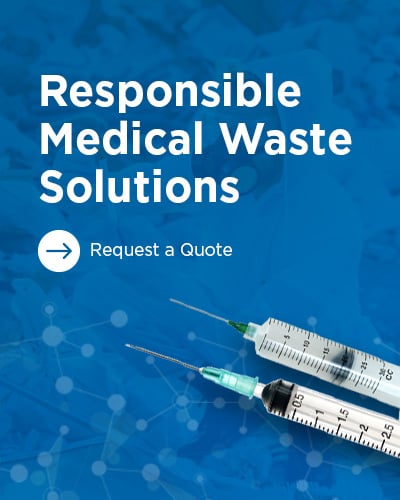
Healthcare organizations looking to strengthen their sharps disposal and medical waste programs can learn more about PureWay’s flexible solutions for allergy clinics and healthcare facilities by visiting PureWay or calling 877-765-3030 to request a customized quote.
If your allergy clinic is looking to improve safety, reduce compliance risks, and simplify medical waste management, this free handbook is a must-read. Learn practical strategies for handling sharps disposal, OSHA compliance, seasonal patient surges, and regulated medical waste workflows, all tailored specifically for allergy practices. Download The Allergy Clinic’s Handbook for Safe & Compliant Waste Disposal today and discover how to create a safer, more efficient, and fully compliant clinic environment.
Sources
Mayo Clinic — Allergy Shots Overview
American Academy of Allergy, Asthma & Immunology — Immunotherapy Can Provide Lasting Relief
Cleveland Clinic — Allergy Shots: Effectiveness, Side Effects & What To Expect
OSHA — Bloodborne Pathogens and Sharps Safety
National Institutes of Health (PMC) — Allergen Immunotherapy: An Updated Review of Safety