
As temperatures rise and pet owners spend more time outdoors with their animals, veterinary clinics often experience a noticeable increase in patient visits. Warmer weather brings more pets through clinic doors for everything from routine wellness exams and vaccinations to emergency treatments and surgical procedures.
Increased outdoor activity also leads to a higher incidence of injuries, parasite-related illnesses, and preventative care needs. Flea and tick treatments, heartworm prevention, allergy prevention, wound care, and heat-related illnesses all become more common during the spring and summer months. As a result, veterinary teams are often busier than ever providing essential care to their patients.
While most clinics focus on managing the influx of appointments and maintaining high-quality patient care, many overlook another important consequence of seasonal demand: increased waste generation. Every injection, diagnostic test, treatment, and surgical procedure generates regulated medical waste that must be handled, stored, and disposed of properly.
As patient volumes rise, so do the requirements for veterinary medical waste disposal. Sharps, pharmaceutical waste, personal protective equipment (PPE), contaminated materials, and other regulated waste streams can accumulate quickly during peak seasons. Without proper planning, clinics may find themselves facing overflowing containers, compliance concerns, and increased disposal costs.
Understanding how warmer weather impacts waste generation can help veterinary practices prepare for seasonal surges, maintain regulatory compliance, and ensure safe, efficient operations throughout the busiest months of the year.
Key Points
-
Veterinary Clinics See Higher Patient Volumes During Warmer Months
-
Increased Patient Care Leads to More Medical Waste
-
Common Challenges Clinics Face When Waste Volumes Increase
-
What Are the Regulations for Hazardous Waste Disposal for Veterinary Practices?
-
What is the Best Way to Handle Pharmaceutical Waste from a Veterinary Clinic?
-
Take a Proactive Approach to Veterinary Medical Waste Disposal
Why Veterinary Clinics See Higher Patient Volumes During Warmer Months
More Preventative Care Visits
Spring and summer are peak seasons for preventative veterinary care, as pet owners become more proactive about protecting their animals from seasonal health risks. Clinics often see an increase in appointments for heartworm prevention, flea and tick treatments, vaccinations, allergy management, and routine wellness exams, all of which help keep pets healthy and active throughout the warmer months.
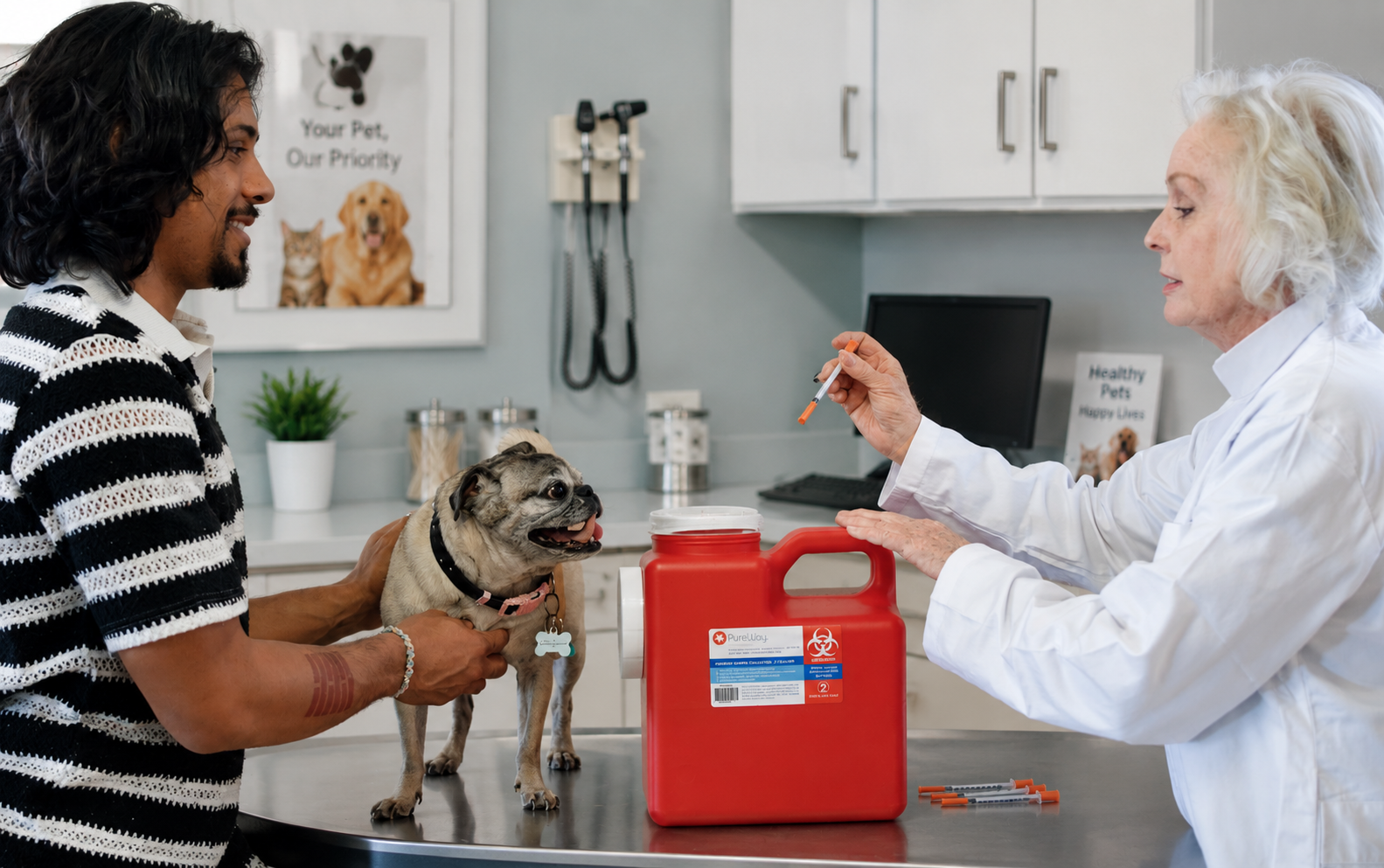
As these preventative care visits increase, veterinary clinics also generate higher volumes of medical waste, including used syringes, sharps, medication packaging, and other materials that require proper veterinary medical waste disposal.
Increased Outdoor Injuries and Emergencies
Warmer weather encourages pets to spend more time outdoors, which often leads to an increase in injuries and emergency veterinary visits. Clinics commonly treat lacerations, bite wounds from animal encounters, heat-related illnesses, and injuries resulting from interactions with wildlife.
These emergency cases frequently require diagnostic testing, wound care, surgical intervention, and medication administration, all of which contribute to higher volumes of regulated medical waste. As patient demand rises, veterinary clinics must be prepared to manage the corresponding increase in waste generation safely and compliantly.
Seasonal Spay and Neuter Demand
Many veterinary clinics experience an increase in spay and neuter procedures during the spring and summer months. Warmer weather often makes it easier for pet owners to schedule elective surgeries around school breaks, vacations, and more flexible family schedules. In addition, spring is a common breeding season for many animals, prompting new pet owners to prioritize spay and neuter procedures in the puppies and kittens they recently adopted.
As surgical schedules increase, so does the need for post-operative monitoring, follow-up appointments, and recovery care. These procedures generate additional medical waste, including sharps, surgical drapes, gloves, gauze, and other materials that require proper veterinary medical waste disposal.
Increased Patient Care Leads to More Medical Waste
More Sharps and Injection Materials
- Needles
- Syringes
- Lancets
Increased Use of PPE
- Gloves
- Gowns
- Masks
More Laboratory and Diagnostic Waste
- Blood collection supplies
- Testing materials
- Specimen containers
Higher Volumes of Surgical Waste
- Dressings
- Surgical drapes
- Pathological waste
Common Challenges Clinics Face When Waste Volumes Increase
Overflowing Medical Waste Disposal Containers: When patient volumes increase, medical waste can accumulate faster than expected, causing disposal containers to reach capacity before scheduled pickups. Overflowing containers can create safety hazards, increase the risk of contamination, and potentially lead to compliance violations.
Insufficient Medical Waste Disposal Bins: Clinics that are not prepared for seasonal demand may find they do not have enough medical waste disposal bins available in treatment rooms, surgical suites, and exam areas. This can make proper waste segregation more difficult and increase the likelihood of staff disposing of materials incorrectly.
Staff Compliance Issues During Busy Periods: As appointment schedules become more demanding, staff may be more likely to rush routine tasks, including waste handling procedures. Even well-trained teams can make mistakes when under pressure, increasing the risk of improper disposal and regulatory non-compliance.
Storage Capacity Concerns: Many veterinary clinics have limited designated storage space for regulated medical waste. During peak seasons, waste can accumulate more quickly than normal, creating storage challenges and increasing the need for more frequent waste collection services.
Rising Disposal Costs: Higher patient volumes typically result in more sharps waste, pharmaceutical waste, and other regulated materials requiring disposal. As waste volumes increase, clinics may face additional pickup fees, larger container requirements, and higher overall waste management expenses.
What Are the Regulations for Hazardous Waste Disposal for Veterinary Practices?
Veterinary practices are responsible for properly managing and disposing of regulated medical waste, including sharps, infectious waste, pathological waste, and certain pharmaceutical materials. While specific requirements vary by state, clinics must generally follow federal, state, and local regulations designed to protect employees, patients, waste handlers, the public, and the environment.
Proper compliance typically includes segregating waste by category, using approved medical waste disposal containers, labeling and storing waste correctly, maintaining documentation when required, and partnering with a licensed medical waste disposal provider. Clinics must also ensure that employees receive appropriate training on waste handling procedures and safety protocols.
Veterinary practices are responsible for the medical waste they generate from "cradle to grave," meaning they remain accountable for that waste from the moment it is created until its final treatment and disposal. This makes it critical to work with compliant waste management partners and maintain proper documentation throughout the disposal process.
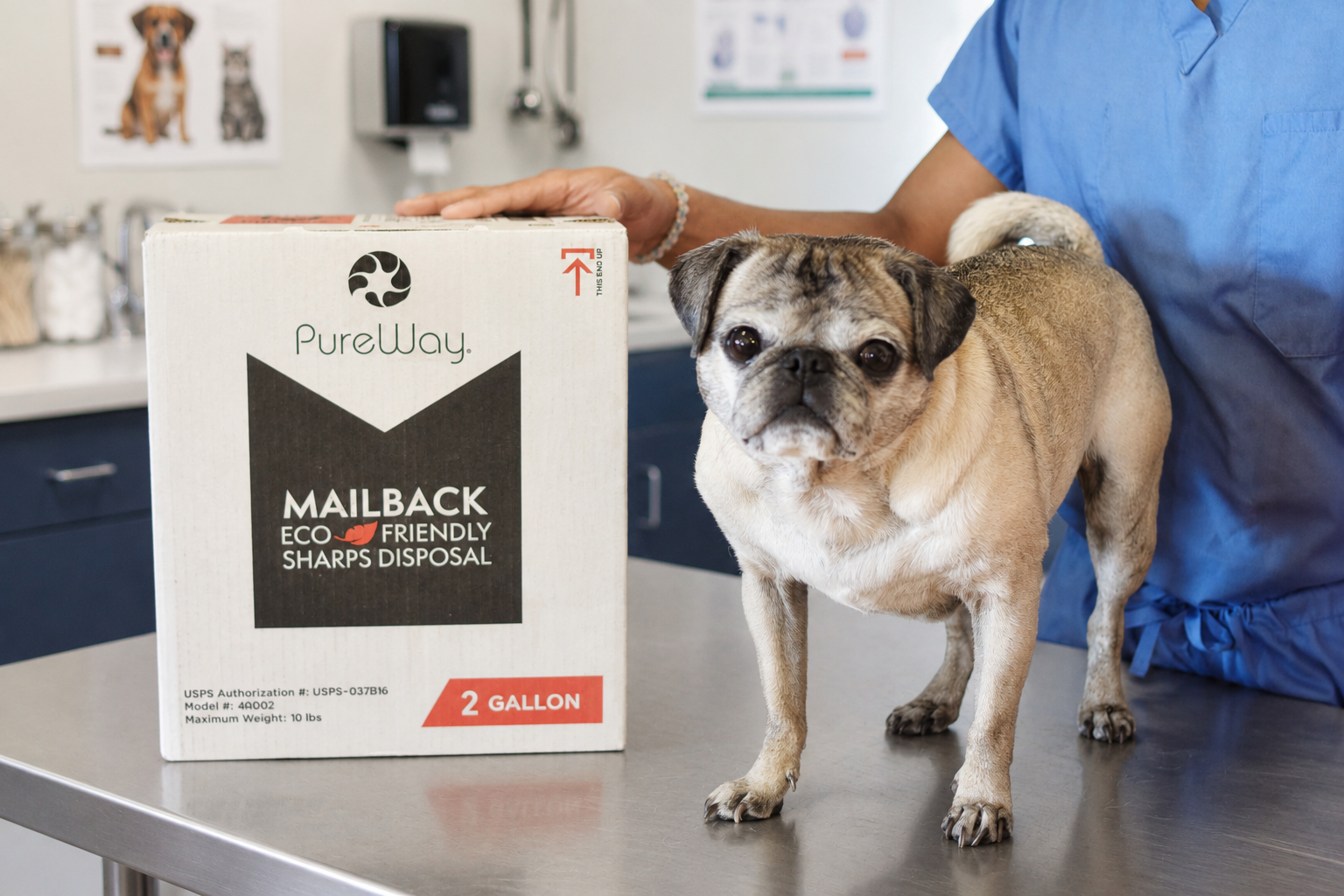
For practices that utilize mail-back disposal programs, the United States Postal Service (USPS) is the only carrier legally authorized to transport regulated medical waste through the mail. These programs require approved packaging and labeling to ensure waste is handled safely and in accordance with federal regulations.
Failure to comply with hazardous waste disposal regulations can result in fines, increased liability, workplace safety risks, and environmental concerns. Regularly reviewing waste management practices and staying informed about applicable regulations can help veterinary clinics maintain compliance while supporting a safe and efficient workplace.
What is the Best Way to Handle Pharmaceutical Waste from a Veterinary Clinic?
Evaluate Mailback Frequency
As pharmaceutical waste volumes increase during busy seasons, veterinary clinics should assess whether their current pickup schedule is sufficient. Sending the medical waste disposal bins back more frequently can help prevent waste accumulation, reduce storage concerns, and ensure compliance with applicable disposal regulations.
Increase Container Capacity
If pharmaceutical waste containers are consistently reaching capacity more frequently than they used to, it may be time to upgrade to larger containers or add additional collection points throughout the clinic. Having adequate container capacity helps staff dispose of waste properly and reduces the risk of overflow or improper storage.
Conduct Seasonal Staff Training
When looking into hazardous waste disposal solutions for veterinary clinics, don’t forget the importance of team members using the systems. Seasonal increases in patient volume can place additional pressure on veterinary teams, making ongoing training especially important. Refresher OSHA training on pharmaceutical waste handling, container usage, and disposal procedures can help reduce errors and maintain compliance during peak periods.
Review Waste Segregation Practices
Proper waste segregation is essential for both compliance and cost control. Clinics should regularly review their procedures to ensure pharmaceutical waste is separated correctly from sharps, infectious waste, and general trash, helping prevent unnecessary disposal expenses and reducing regulatory risks.
Partner with a Reliable Waste Management Provider
A knowledgeable waste management provider can help veterinary clinics navigate pharmaceutical waste regulations, select appropriate disposal solutions, and adjust services as waste volumes fluctuate throughout the year. Working with an experienced partner provides peace of mind that waste is being handled safely, compliantly, and efficiently.
Take a Proactive Approach to Veterinary Medical Waste Disposal
Warmer weather often creates valuable growth opportunities for veterinary clinics as patient volumes increase and more pets require preventative, surgical, and emergency care. However, more appointments also mean higher volumes of regulated medical waste that must be managed safely and compliantly. By proactively planning for seasonal increases in waste generation, clinics can maintain operational efficiency, protect staff and patients, and ensure their veterinary medical waste disposal practices remain compliant throughout the busiest months of the year.
How Can Veterinary Clinics Manage Their Medical Waste More Efficiently?
Having the right waste management strategy in place can help your team stay efficient, compliant, and focused on delivering exceptional patient care. Download our free ebook How to Make Veterinary Medical Waste Management Simple to learn:
- Best practices for veterinary clinical waste disposal
- How to manage seasonal increases in waste generation
- Strategies for selecting the right medical waste disposal containers
- Compliance tips for veterinary practices
- Ways to reduce costs and improve operational efficiency
Download your free copy today and discover how proactive waste management can help your clinic operate more safely, efficiently, and confidently during peak seasons.
Frequently Asked Questions About Veterinary Clinical Waste Disposal
Are there any pharmaceutical waste disposal companies that offer nationwide mail-back services for sharps containers?
Yes. PureWay Compliance offers nationwide mail-back hazardous waste disposal solutions for veterinary clinics that help veterinary clinics safely and compliantly dispose of used needles, syringes, lancets, and other sharps waste. Our program includes FDA-cleared sharps containers, prepaid USPS-approved return shipping, treatment, disposal, and compliance documentation, making it a convenient option for veterinary practices of all sizes.
Mail-back programs from PureWay Compliance are especially beneficial for small veterinary clinics, mobile veterinary providers, and rural practices that may not generate enough waste to justify scheduled pickup services. By utilizing a mail-back solution, clinics can maintain compliance, simplify waste management, and ensure regulated sharps waste is handled properly from cradle to grave.
What are the best options for veterinary clinics to dispose of medical waste safely and legally?
The best medical waste disposal solution depends on a clinic's size, waste volume, and location. Common options include scheduled pickup services, mail-back sharps disposal programs, pharmaceutical waste disposal services, and regulated medical waste management programs that ensure compliance with federal, state, and local regulations. Veterinary clinics should work with a licensed provider that offers proper documentation, compliant disposal methods, and support for regulatory requirements.
How can I find a reliable service for pharmaceutical waste disposal for my veterinary clinic?
When selecting a pharmaceutical waste disposal provider, veterinary clinics should look for a company with regulatory expertise, transparent pricing, responsive customer support, and solutions specifically designed for healthcare and veterinary environments. It is also important to choose a provider that offers compliant disposal methods, tracking documentation, and scalable services that can accommodate changing waste volumes.
PureWay Compliance helps veterinary clinics simplify pharmaceutical and sharps waste management through compliant mail-back disposal solutions, compliance support, and nationwide service. With FDA-cleared containers, USPS-approved return shipping, and comprehensive tracking documentation, PureWay Compliance provides veterinary practices with a convenient and cost-effective way to manage regulated waste while maintaining compliance.
What companies offer mail-back sharps disposal services for small veterinary practices?
PureWay Compliance offers mail-back veterinary medical waste disposal services specifically designed for small veterinary practices, mobile veterinarians, animal shelters, and other facilities that generate lower volumes of sharps waste. Our program includes FDA-cleared sharps containers, prepaid USPS-approved return shipping, treatment, disposal, and compliance documentation, providing a simple and compliant alternative to traditional pickup services.
Many small veterinary clinics choose PureWay Compliance because mail-back disposal is convenient, cost-effective, and eliminates the need to coordinate scheduled waste pickups. The subscription-based service also helps ensure clinics always have access to replacement containers and ongoing support for their sharps disposal needs.
How can a veterinary clinic ensure compliance with medical waste disposal laws?
Veterinary clinics can maintain compliance by properly segregating waste, using approved medical waste disposal containers, training employees on waste handling procedures, maintaining required records, and partnering with a qualified medical waste disposal provider. Clinics should also stay informed about applicable OSHA, EPA, DEA, state, and local regulations, as requirements can vary depending on the type of waste being generated.
Does PureWay Compliance offer a subscription service for regular mail-back sharps disposal?
Yes. PureWay Compliance offers subscription-based mail-back sharps disposal programs that help veterinary clinics maintain consistent compliance while simplifying waste management. You also save 5% when you subscribe. This makes a subscription service the smarter, easier way to handle your medical waste.