
Veterinary clinics manage a wide range of medical procedures every day. Everything from routine vaccinations and blood draws to insulin injections, anesthesia, and surgical care. While these procedures are critical to animal health, they also generate medical waste that must be handled properly to protect staff, patients, and the surrounding community.
Among the most common forms of veterinary medical waste are sharps, including needles, syringes, lancets, and other devices capable of puncturing skin. Without proper disposal systems in place, sharps can present serious safety risks and regulatory concerns for veterinary practices.
Creating a safe and efficient sharps disposal process is not just a matter of compliance. It is a fundamental part of running a responsible and well-managed veterinary clinic.
The Risks of Improper Sharps Disposal
Veterinary teams are highly trained to provide safe patient care, but sharps injuries remain a real occupational hazard in healthcare environments. Including animal care settings.
Improper sharps disposal can lead to several risks, including:
Needlestick injuries for veterinary staff
Accidental punctures can occur when sharps containers are overfilled, improperly stored, or not readily accessible during procedures.
Exposure to biological hazards
Sharps used during veterinary procedures may carry bloodborne pathogens or other contaminants that can pose health risks.
Environmental and community safety concerns
If sharps are discarded improperly, they can enter the general waste stream and create hazards for sanitation workers or the public.
Regulatory compliance issues
Veterinary clinics must adhere to federal, state, and local guidelines for medical waste management, including OSHA requirements for safe sharps handling.
For busy veterinary practices, maintaining compliance while keeping workflows efficient can be challenging. This is especially true when waste disposal systems require extra steps or off-site drop-offs.
The Importance of Accessible Sharps Disposal
One of the most effective ways to prevent sharps injuries is ensuring that proper disposal containers are readily available wherever sharps are used.
Veterinary clinics often have multiple areas where sharps are generated:
- Exam rooms
- Treatment areas
- Surgical suites
- Pharmacy preparation stations
- Laboratory spaces
- Storage space for full containers
- Waiting for scheduled pickups
- Transporting waste off-site
- Managing compliance documentation
When sharps containers are conveniently placed and easy to use, staff can dispose of needles immediately after use rather than carrying them across the clinic which reduces risk and improves safety.
However, disposal does not end when the container is full. Clinics must also consider how sharps containers are safely removed and processed once they reach capacity.
Managing Veterinary Medical Waste Efficiently
Traditional sharps disposal often relies on scheduled waste pickups or external drop-off programs. While these options may work for some facilities, they can introduce logistical challenges such as:
For many veterinary clinics, especially smaller practices or mobile veterinarians, these processes can disrupt workflows and create unnecessary administrative burden.
That’s why many clinics are exploring mail-back disposal systems that allow them to safely manage sharps waste without relying on traditional pickup services.
A Smarter Approach to Veterinary Sharps Disposal
Mail-back sharps disposal systems provide veterinary clinics with a simple and compliant way to manage medical waste directly from their facility.
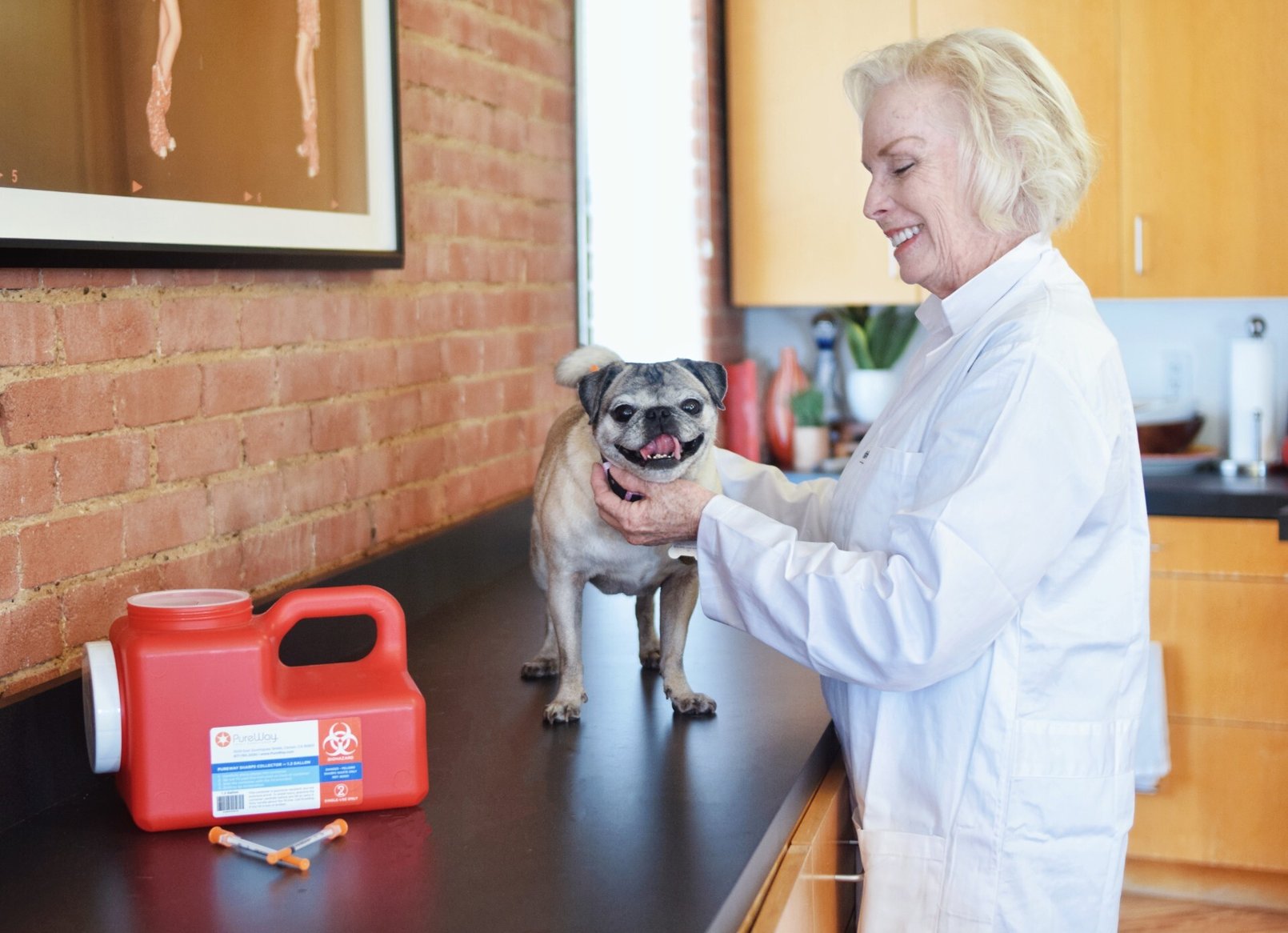
With systems from PureWay, clinics receive a sharps container along with a pre-paid return shipping label. Once the container is full, it can be sealed and shipped back for proper treatment and disposal.
This approach eliminates many of the logistical challenges associated with traditional medical waste programs while helping veterinary clinics maintain safety and compliance.
PureWay’s disposal process includes regulated treatment and environmentally responsible waste processing, allowing clinics to manage sharps safely while supporting sustainability initiatives within the healthcare industry.
Choosing the Right Sharps Disposal System for Your Clinic
Veterinary clinics generate different volumes of sharps depending on their size, services, and patient load. Selecting the right container size can help maintain efficiency while minimizing disposal disruptions.
Some of our most used systems for veterinary practices include:
1.4 Quart Sharps Container
Ideal for exam rooms, mobile veterinarians, or low-volume sharps generation
2 Gallon Sharps Container
A great option for busy treatment areas or clinics performing frequent injections and procedures
3 Gallon Sharps Container
Suitable for larger practices or central disposal areas where multiple staff members are disposing of sharps throughout the day
By choosing the right container size for each area of the clinic, veterinary teams can ensure that sharps are disposed of safely without interrupting patient care.
Supporting Safer Veterinary Workplaces
Veterinary professionals dedicate their careers to protecting animal health and supporting pet owners. Ensuring that clinics have safe, reliable medical waste disposal systems is an important part of protecting the people who provide that care.
By implementing accessible sharps containers and efficient disposal programs, veterinary clinics can reduce injury risks, maintain regulatory compliance, and create safer working environments for their staff.
Solutions like PureWay’s mail-back disposal systems make it easier than ever for veterinary practices to manage sharps waste responsibly. So that vet teams can focus on what matters most: delivering high-quality care to the animals that depend on them.
If you or someone on your team is interested to learn more, please visit www.pureway.com or call 877 765-3030 to get started today!