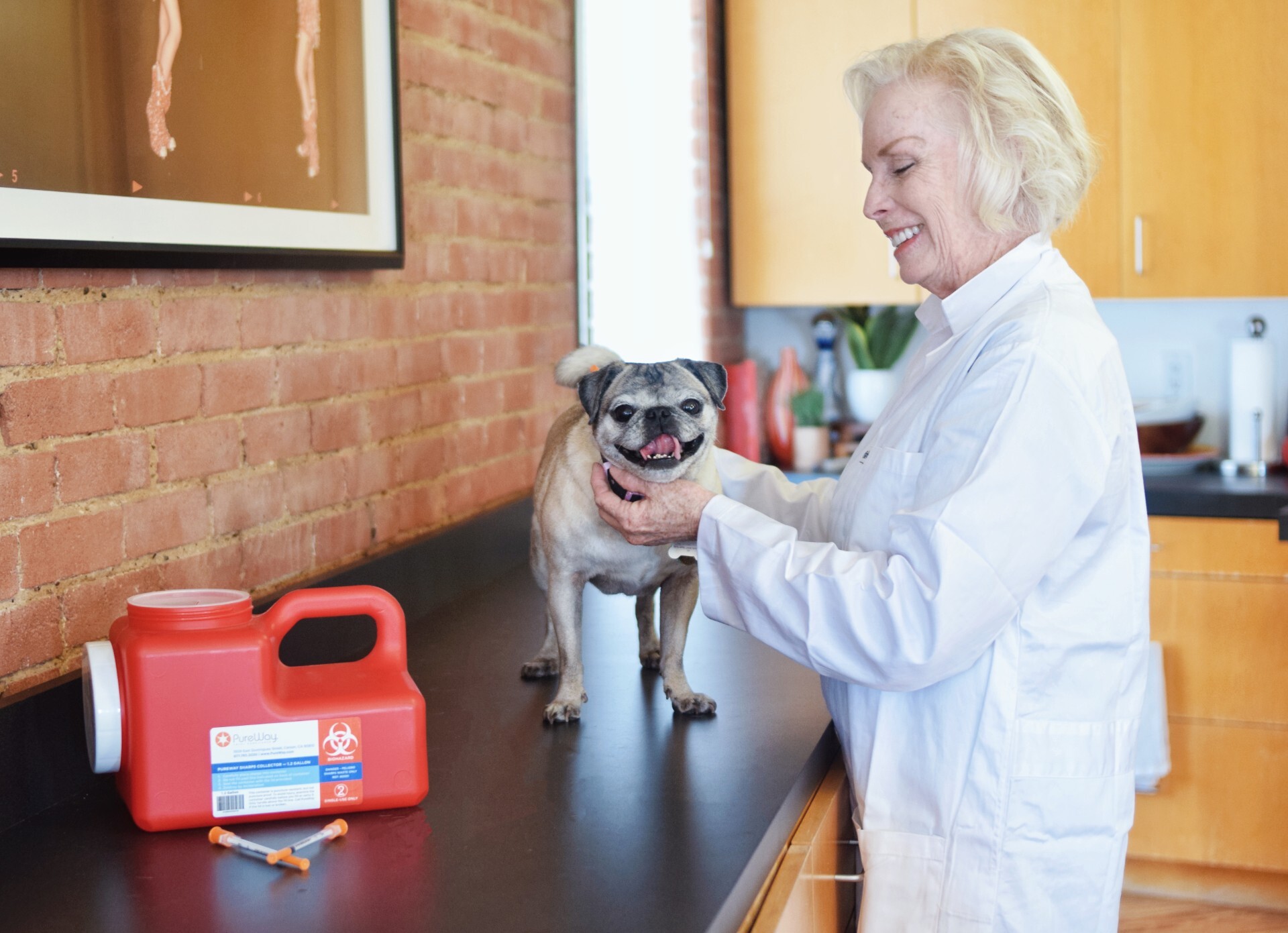
Veterinary clinics manage a wide range of medical procedures every day. Everything from routine vaccinations and blood draws to insulin injections, anesthesia, and surgical care. While these procedures are critical to animal health, they also generate medical waste that must be handled properly to protect staff, patients, and the surrounding community. Among the most common forms of veterinary medical waste are sharps, ...

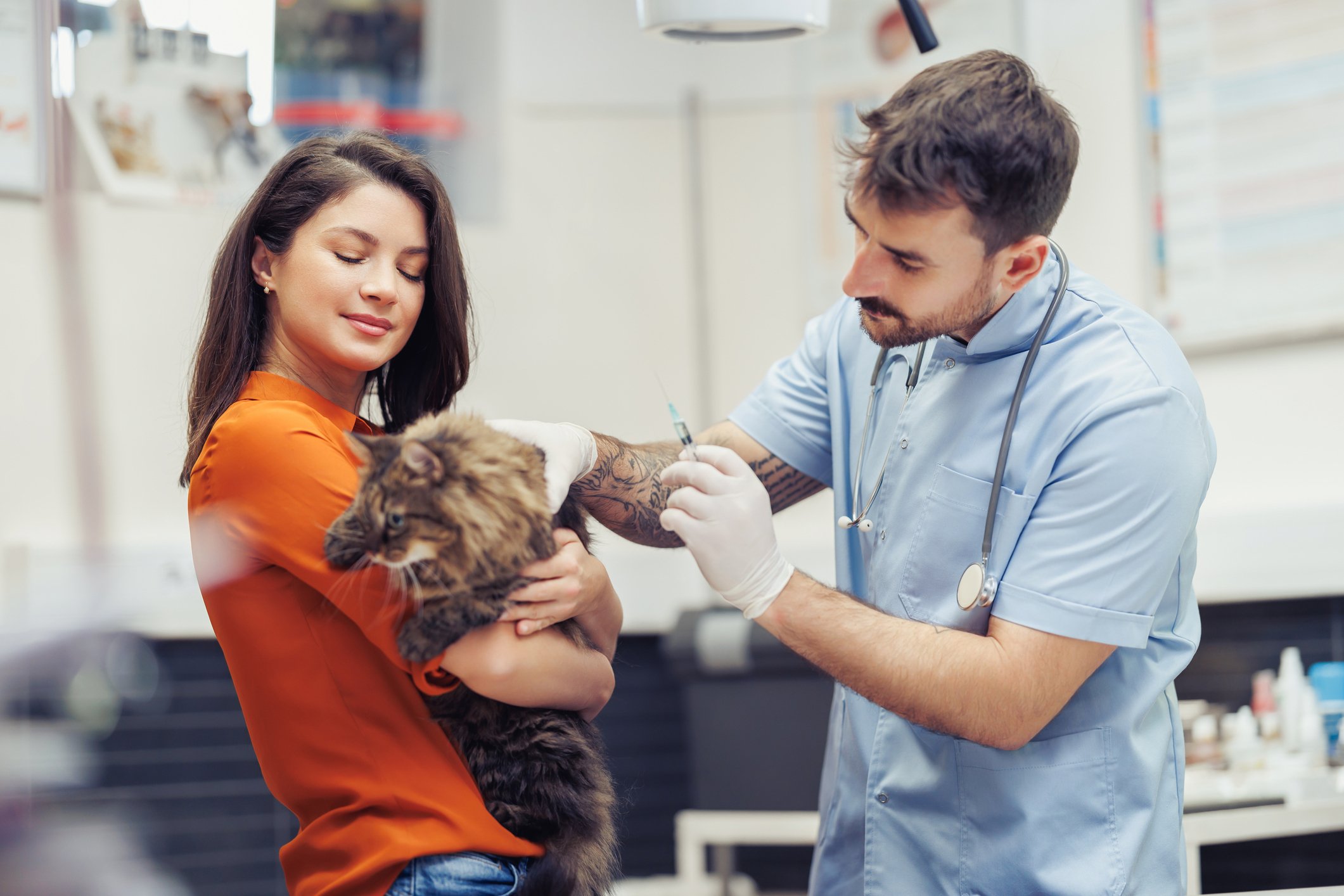
Veterinary medicine today looks very different than it did even a decade ago. Clinics are seeing higher patient volumes, more complex diagnostics, and a growing reliance on injectable treatments for both chronic and acute care. With that shift comes an increase in medical waste, such as sharps, that must be handled safely, compliantly, and consistently. Still, veterinary waste disposal is often treated as a background ...
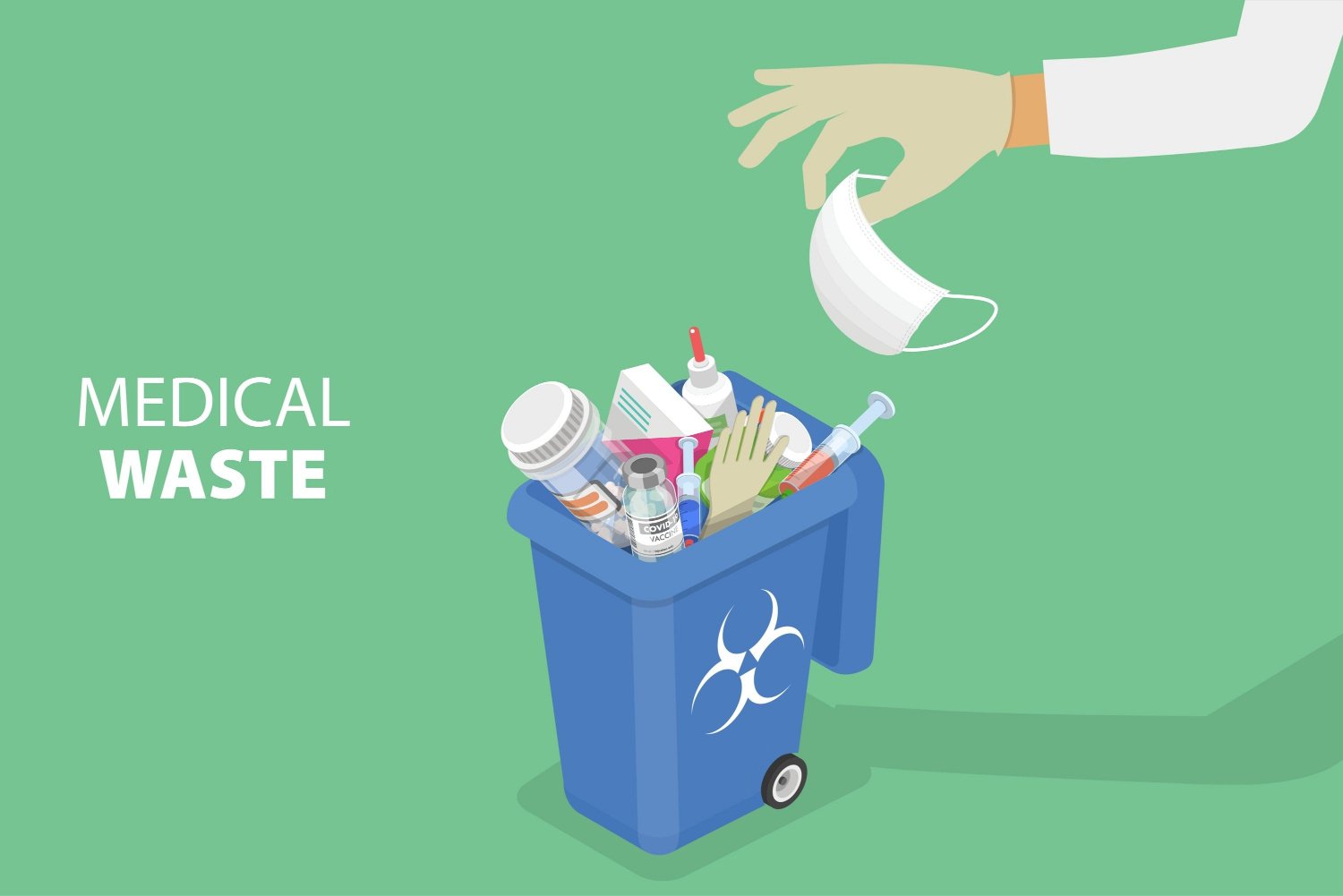
Medical waste, often called healthcare-associated waste, refers to anything contaminated with blood or other potentially infectious materials. It can come from hospitals, clinics, doctor's offices, nursing homes, and even households. While most medical waste is not hazardous, some can be dangerous to human health and the environment if not correctly disposed of. According to the World Health Organisation (WHO), medical waste ...

Shop For Disposal Options Medical waste is generated daily by thousands of facilities across the United States. The World Health Organization (WHO) states that, “Of the total amount of waste generated by health-care activities, about 85% is general, non-hazardous waste comparable to domestic waste. The remaining 15% is considered hazardous material that may be infectious, chemical or radioactive.” (1) Regardless of label, all ...

Just like Healthcare facilities, tattoo shops, and dental offices, the Veterinary practices are also supposed to manage their waste and effectively dispose of it. The syringes used for vaccination and administration of antibiotics can cause various infections including HIV and HBV to the flurry of pet patients and pet parents sitting in the office region. In a detailed, the waste for veterinarian clinics is classified under ...