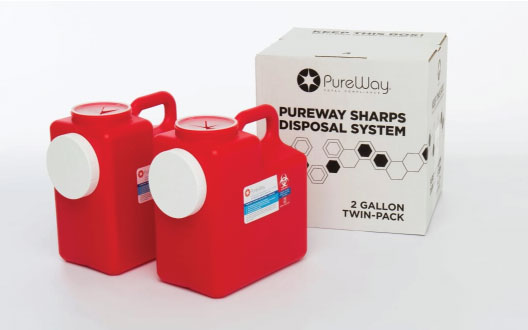
This blog will cover requirements for medical waste disposal and the differences in the options available for disposal. To start, OSHA (Occupational Safety Health Administration) defines as regulated waste as Liquid or semi-liquid blood or other potentially infectious materials; contaminated items that would release blood or other potentially infectious materials in a liquid or semi-liquid state if compressed; items that are ...

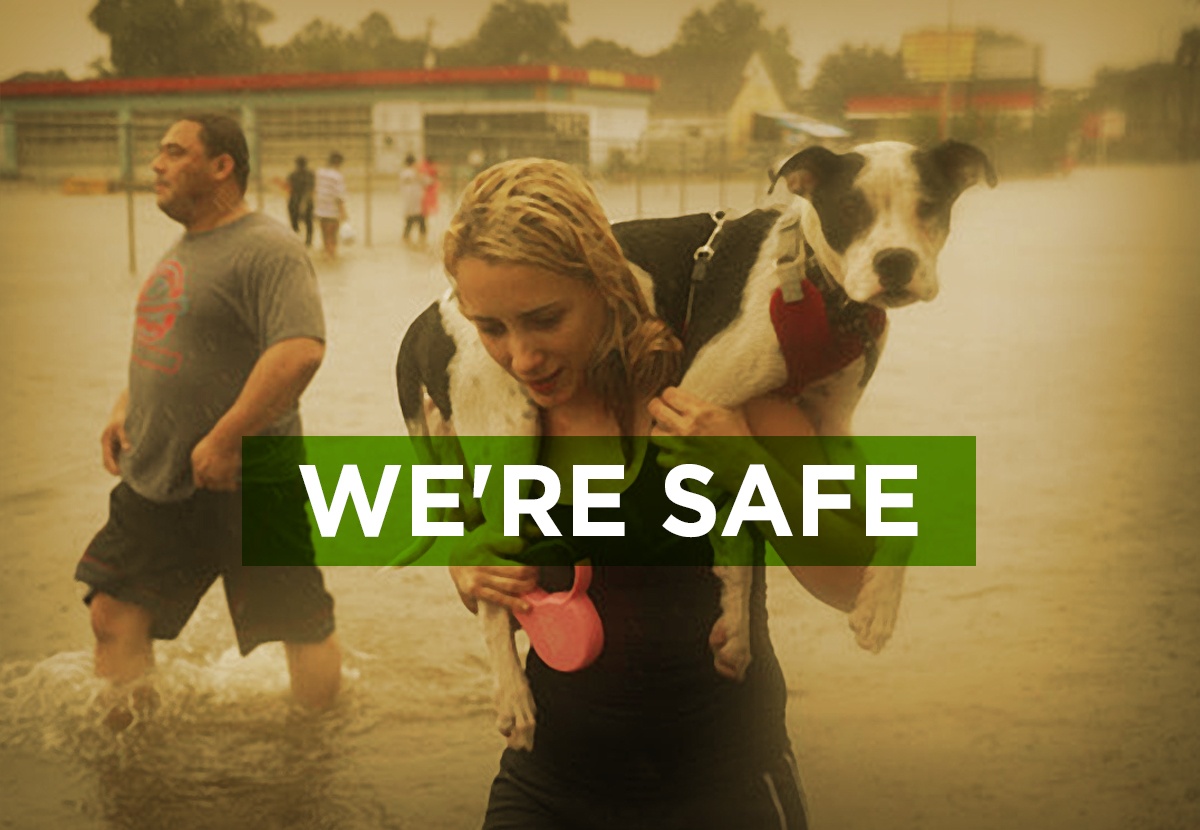
To our customers: We are safe and available to you. Although our offices were also impacted by flooding and many of our staff had to be evacuated, PureWay Waste Compliance (Katy, TX) remains 100% operational and we are working with our out-of-state offices to ensure all orders get processed within 48 hours. As a waste compliance service, we will go the extra mile to assist our customers and those affected in the greater ...

Massachusetts has become the first U.S. state to require pharmaceutical manufacturers to finance and manage a solution for consumers to safely dispose of unwanted or unused medications. This law is part of a drug abuse prevention bill that aligns with President Obama’s previously signed legislation allowing states to create take-back programs for prescription and over-the-counter medications. Not only will this law save the ...
PureWay, a health-focused organization specializing in medical waste management and compliance solutions, is proud to partner with Safe Needle Disposal, a non-profit dedicated to educating the public about safe needle disposal programs. At-home sharps injectors will now not only have access to a user-friendly informational resource and regulatory experts to help answer all their sharps-related questions, but they will also be ...
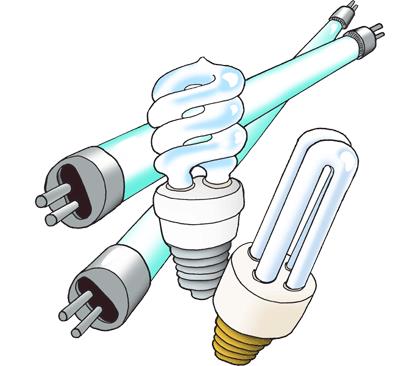
Did you know that all types of lamps can be recycled? It is important to recycle lamps to decrease the large quantity of hazardous and reusable materials (such as metal) that is currently going to waste in our landfills. A wide variety of energy-efficient mercury-containing light bulbs are becoming popular both within the household and business setting. Some examples include: Compact fluorescent lightbulbs (CFLs) and other ...
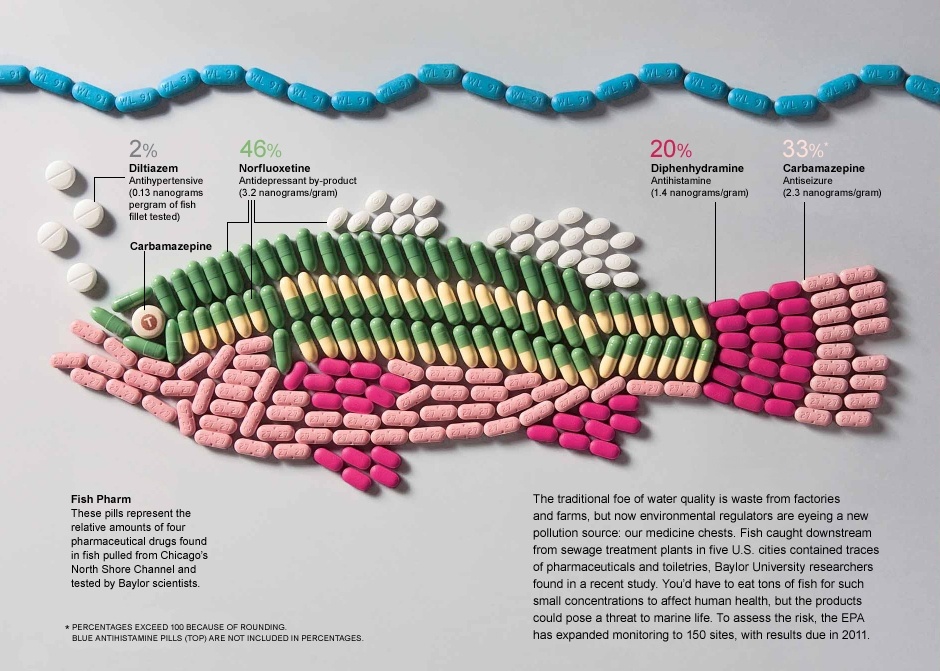
On August 31, the U.S. Environmental Protection Agency (EPA) proposed a new rule regarding pharmaceutical waste disposal. This new proposal will affect hospitals, clinics, pharmacies, doctors’ offices, long-term care centers and reverse distributors; these healthcare facilities will not be allowed to flush pharmaceuticals classified as hazardous waste, such as chemotherapy drugs, blood thinners, nicotine and certain ...
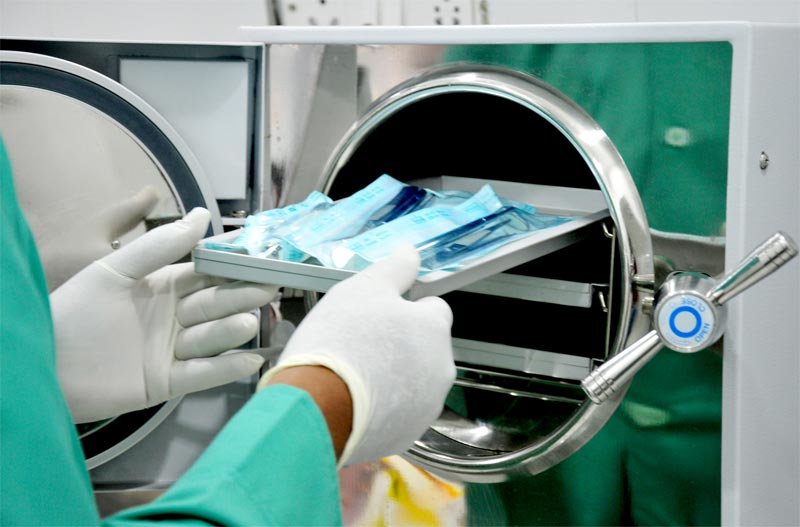
Keeping patients and staff safe from the risks of cross-contamination and cross-infection hinges on strict compliance with infection control best practices–especially during instrument reprocessing. Unfortunately, many sterilization-related activities that are common in the dental office are not necessarily the correct ones, creating the misconception that the “routine” way and the “right” way are one in the same. Below are ...
OSHA regulations can sometimes feel overwhelming, but it is legally required for every office to understand work-related hazards and train employees on how they can protect themselves. Here, we’ve broken it down and focused on the top 10 basic requirements that every veterinary office should follow to avoid OSHA fines and audits. 1) Labels How to Comply: Signage must be updated to the GHS global standard; older diamond labels ...
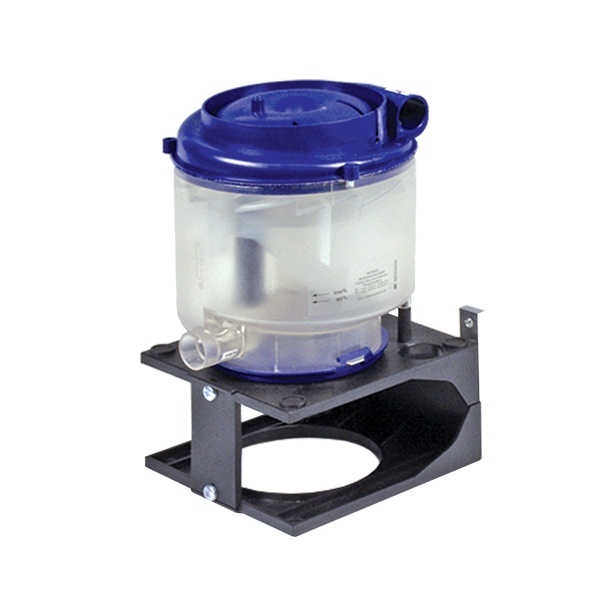
Amalgam Recycling in North America Dental amalgam has been used to fill cavities for more than 150 years, and even if you are not placing amalgam, many dentists are removing old, degraded amalgam that must go somewhere. Where exactly does that amalgam go? Straight to the publicly owned treatment works (POTWs). Did you know that dental offices are responsible for approximately 50% of the mercury waste that is received by ...
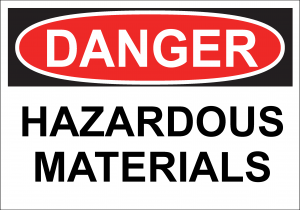
Effective on June 1, 2015, chemical manufacturers, importers, distributors, and employers have to comply with a universal approach to classifying chemicals and communicating hazard information on labels and safety data sheets. Every label must include the following requirements: a signal word, pictogram, hazard statement, and precautionary statement for each hazard class and category. Beginning in December of this year, ...