Last year, three separate hospitals gave ABC permission to film a television network documentary series on their premises. The problem? These hospitals hadn’t received patient authorization first. As a consequence for this massive information privacy breach, they collectively paid the Department of Health and Human Services Office of Civil Rights (OCR) $999,000 to settle potential violations of the Health Insurance ...

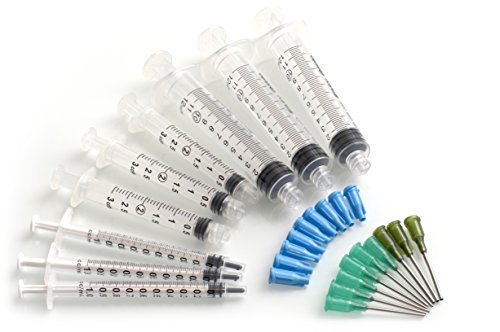
Maintaining proper disposal of medical waste is overwhelming. Between labeling, containment, and treatment, this issue has many healthcare facilities stumped as to their next steps in ensuring they are following federal guidelines. In this article we are going to cover: What wastes are considered to be medical waste? Most effective methods of disposal What Wastes are Considered to be Medical Waste? According to the World ...

Electronic cigarettes are taking the United States by storm. Originally marketed to adults wishing to wean themselves of their deadly addiction to nicotine, these sleek little e-cigarette “vaping” devices have instead captured the attention of our nation’s youth. Whether these new users are attracted to the idea of puffing flavored smoke or they admire the compact design of this next generation of e-cigarettes, the fact ...
It has become increasingly obvious that collecting healthcare data from patients is imperative to ensuring that they receive the best care possible. Healthcare facilities, Biotech companies, pharmaceutical distributors, pharmacies, and healthcare providers alike have a responsibility to provide the care that patients both demand and deserve. Collecting data through the assistance of patients is the most efficient and reliable ...

Medical waste disposal can be an expensive reality for any facility that handles bio-hazardous materials. Regulations created both by OSHA and the State identify what materials can be labeled as medical waste, and the over-classification of this waste often leads to a facility overpaying for its disposal. However, there are ways to reduce these costs associated with the disposal of medical waste. In this blog we will cover ...
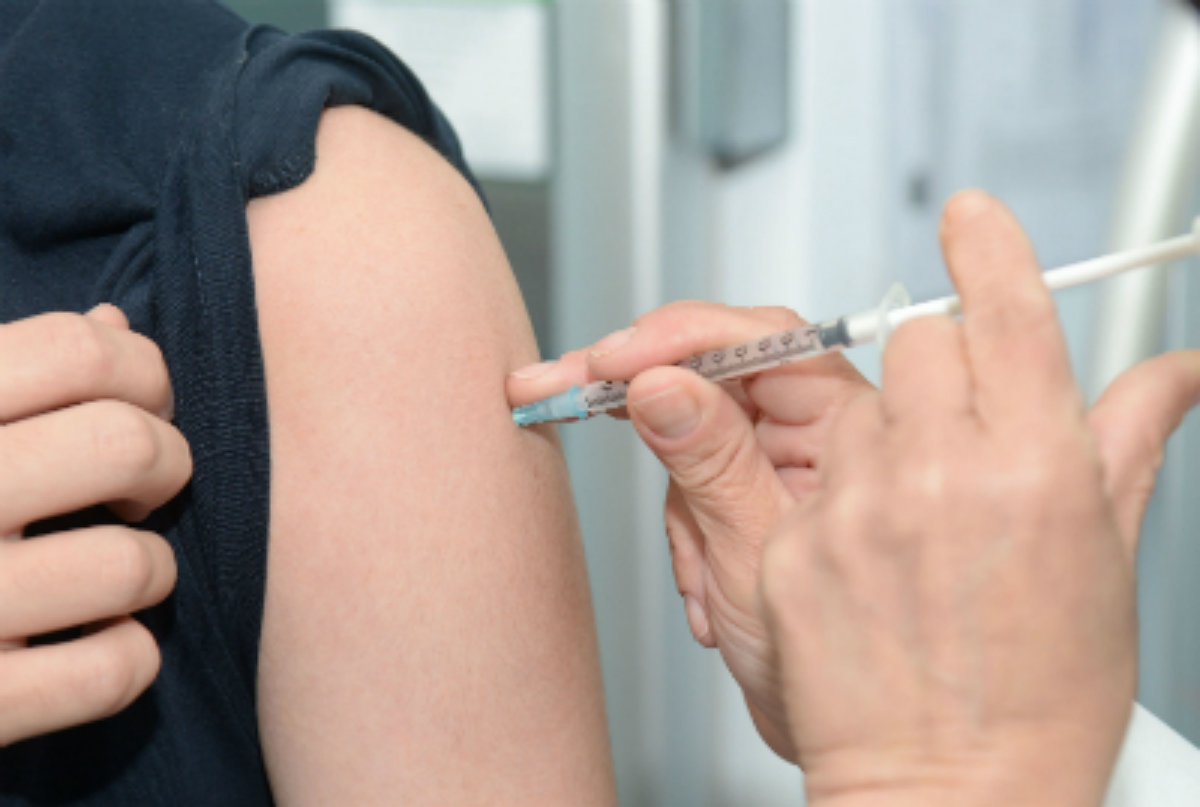
An estimated 110,000 deaths due to measles outbreaks occurred globally in 2017, a dramatic increase compared to previous years. Experts attribute these breakouts to the gaps in vaccine coverage, with reported measles cases increasing by more than 30 percent worldwide from 2016. According to Dr. Seth Berkley, CEO of Gavi, the Vaccine Alliance, “The increase in measles cases is deeply concerning, but not surprising. Complacency ...

In 2016, the U.S. Department of Health and Human Services conducted a national drug use survey, and the results were staggering: 91.8 million American adults aged 12 and up (37.8%) reported prescription opioid use, and 6.2 million of those users reported misusing them. Every 14 minutes, someone in the U.S. dies from an unintentional drug overdose or accidental poisoning. Opioid epidemic Why are these numbers so high? The ...

A Magnificent Journey - By Jeffery Miglicco, CEO PureWay has reached a major milestone that unfortunately most small businesses never reach. Last quarter, PureWay celebrated our fifth year in business and it has been an amazing ride. Our journey started November of 2013 with three people in Houston, TX. Since our beginning we have serviced over 250,000 thousand facilities and people across all 50 states in the dental, ...
PureWay, a healthcare-focused provider of sharps disposal, biohazard waste disposal and compliance solutions, is proud to welcome Thomas Kennedy as head of sales and business development efforts, effective immediately. Mr. Kennedy will report directly to Jeffery Miglicco, CEO for PureWay. Mr. Kennedy has previously worked for Johnson & Johnson Medical, Globus Medical, WRP Asia Pacific, and Stryker, all where he held ...

As work environments evolve, so too do OSHA’s Guidelines for Safety and Health Programs. The most recent update released by OSHA can be used by both small and large businesses alike, whether that business is one that is just beginning or one that is simply desiring to implement improved safety regulations. Through the use of these programs, business owners can avoid unnecessary workplace injuries and illnesses. Getting ...