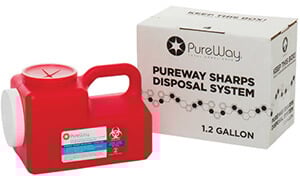
PureWay Compliance, Inc. is a medical device manufacturer and healthcare compliance organization that provides medical waste management and compliance solutions to the United States and Canada. PureWay has partnered with Safe Needle Disposal, a non-profit dedicated to educating the public about safe needles. A growing issue - 7.8 billion pounds of needles are discarded in the trash each year Data from the Coalition for Safe ...

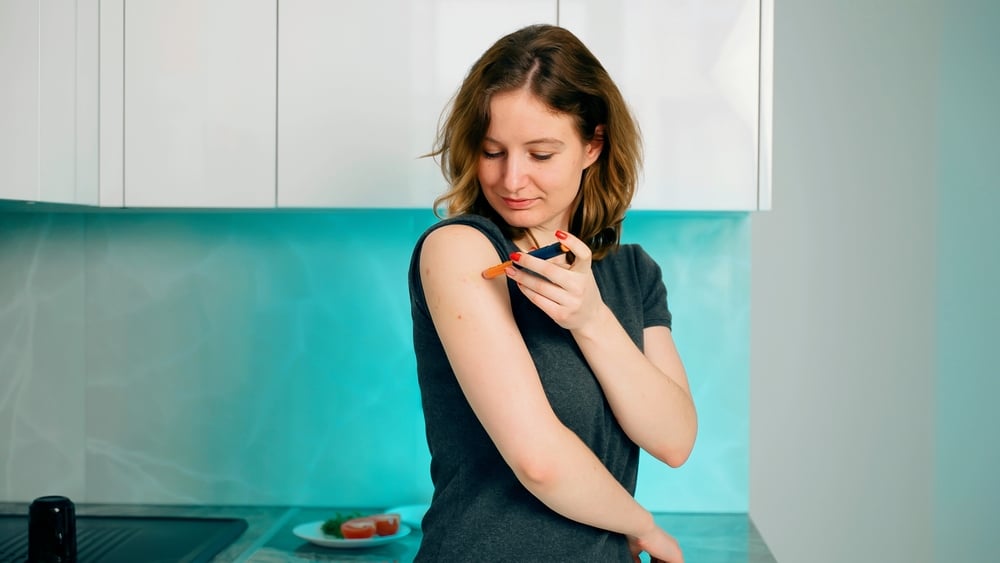
How to Dispose of Needles Safely at Home Millions of Americans each year take injections at home for diabetes, arthritis, migraines or a vast variety of other health conditions. This process can be challenging and is not a easy or painless task, but it can be lifesaving. Do to the increase of self injectors at home there is a increasing issue related to how to properly dispose of your sharps once those injections are ...
Healthcare facilities must be aware of their potential safety and health hazards. The Occupational Safety and Health Administration (OSHA) is the primary regulatory agency responsible for setting and enforcing standards to protect workers in the United States. Operators including urgent care facilities should familiarize themselves with OSHA's requirements related to bloodborne pathogens, sharps safety, and workplace ...
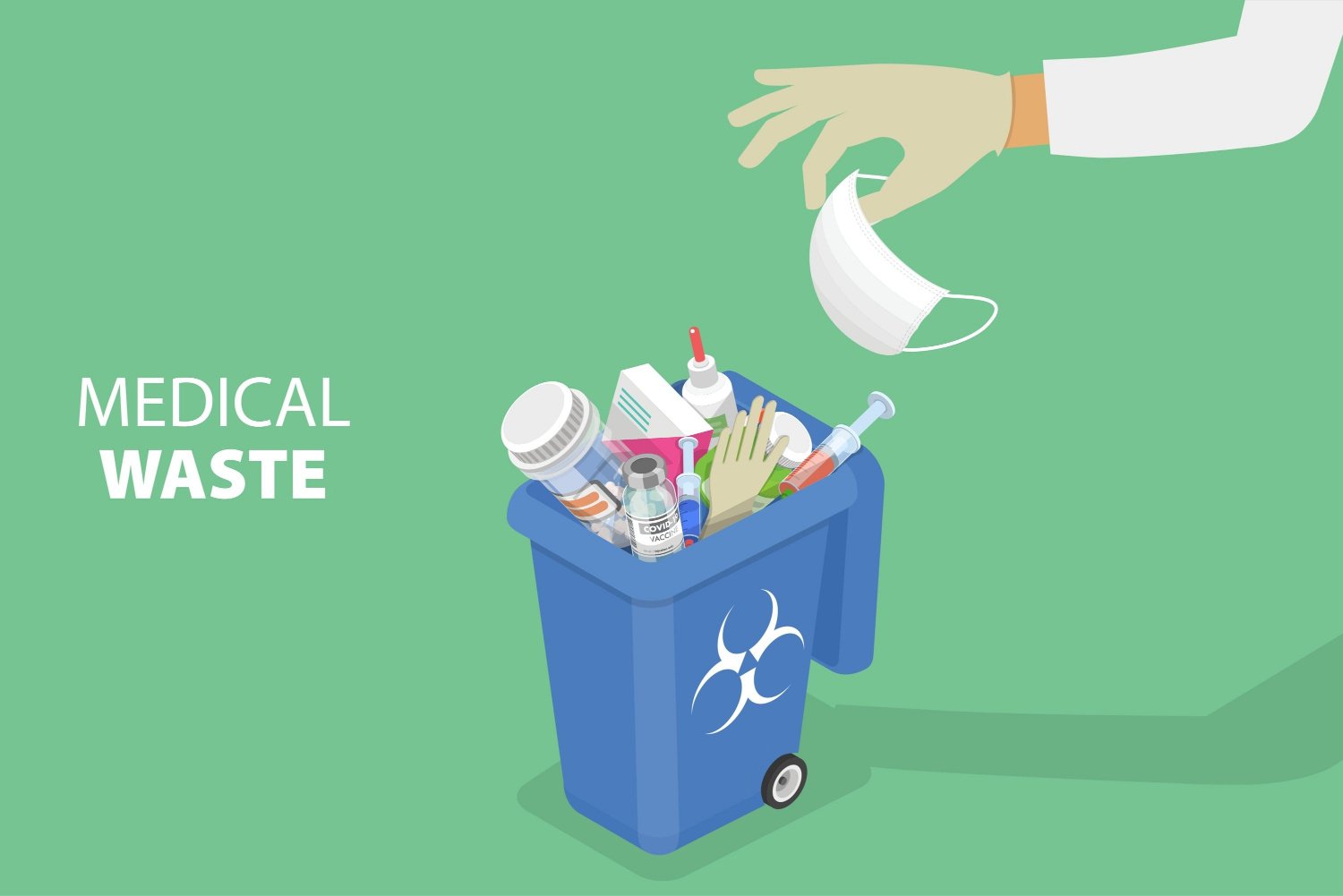
Medical waste, often called healthcare-associated waste, refers to anything contaminated with blood or other potentially infectious materials. It can come from hospitals, clinics, doctor's offices, nursing homes, and even households. While most medical waste is not hazardous, some can be dangerous to human health and the environment if not correctly disposed of. According to the World Health Organisation (WHO), medical waste ...
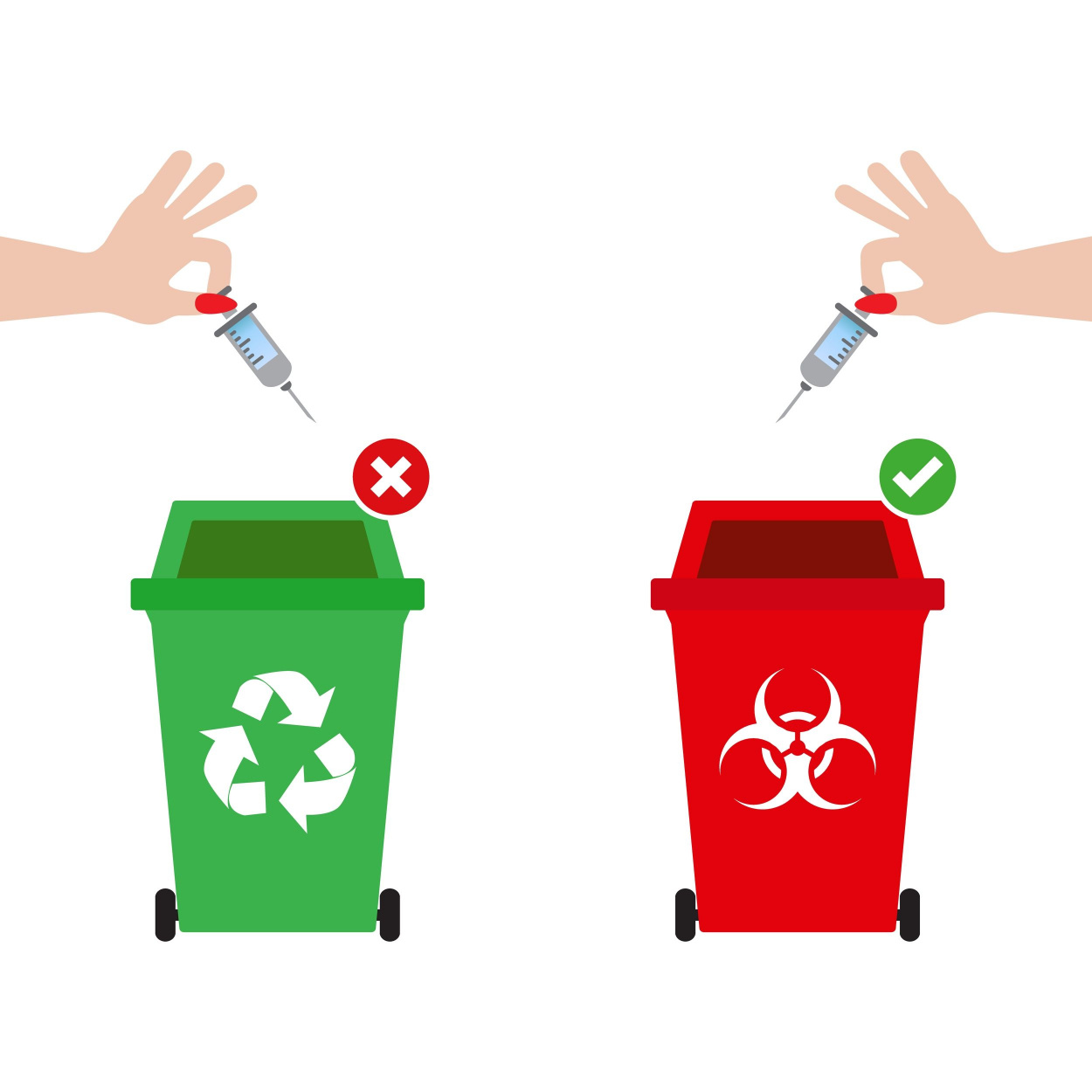
Unsafe needle disposal is not only a danger to the person disposing of the needles but also to the community at large. When needles are disposed of improperly, they can end up in public places where children and adults can accidentally stick themselves. This can lead to severe infections and even death. Unsafe needle disposal is a serious public health hazard. It can lead to the spread of disease, infection, and environmental ...
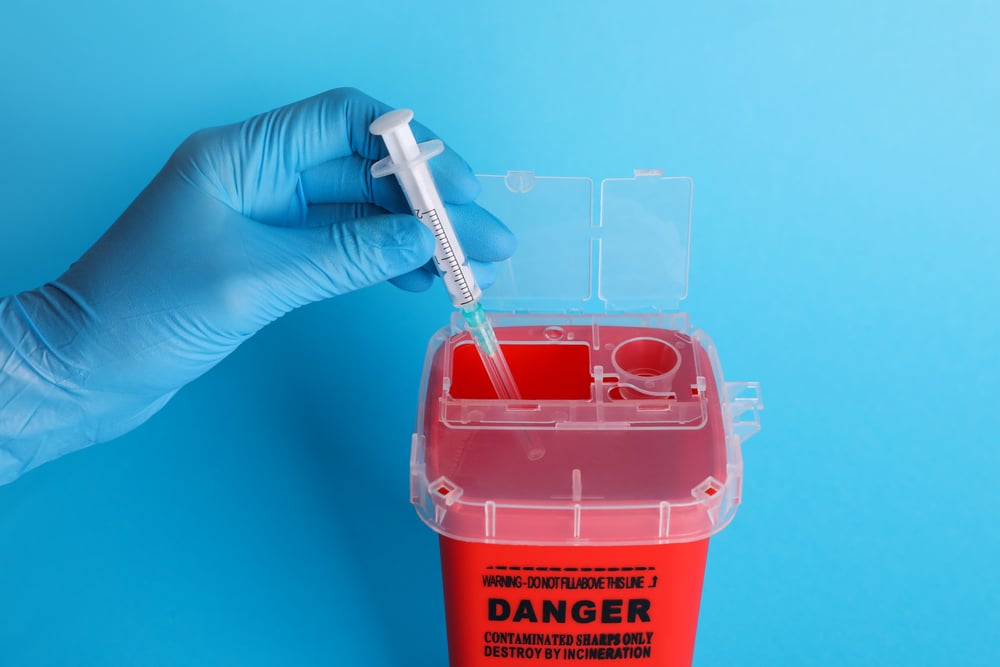
A sharps container is a specialized container that stores sharp medical instruments, such as needles, syringes, and lancets. Sharp's containers are usually made of hard plastic with a lid that locks to prevent spills. Some sharps containers also have a secondary locking mechanism to prevent accidental opening. Sharps containers safely store sharp medical instruments until they can be disposed of properly. This helps to ...
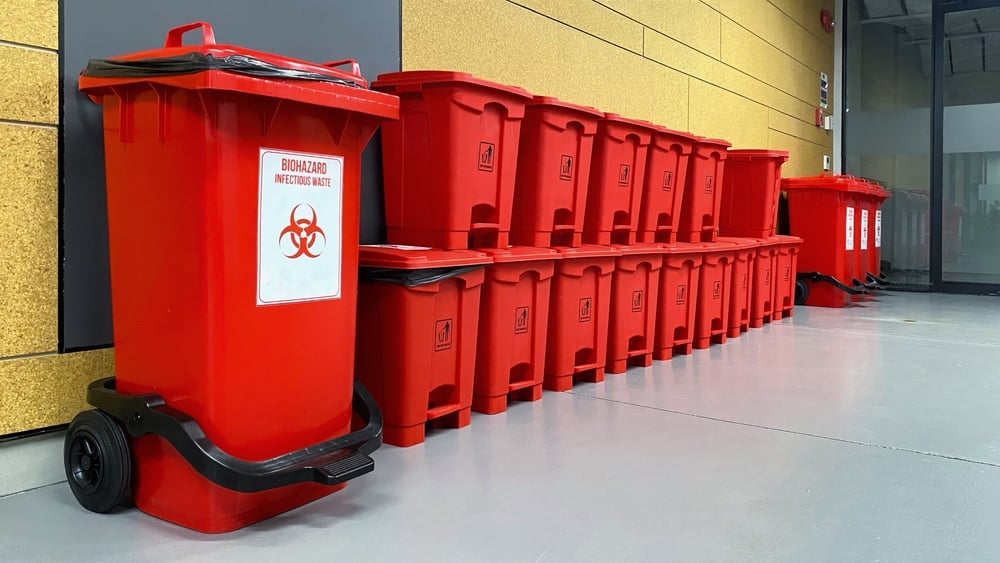
Biohazardous waste is any liquid, solid, or container containing infectious materials or potentially infectious substances. Infectious materials are anything with a pathogen, a microorganism that can cause disease in humans or animals. This type of waste can pose a severe health and safety risk to both people and the environment if it is not disposed of properly. Proper biohazardous waste disposal is critical to preventing ...
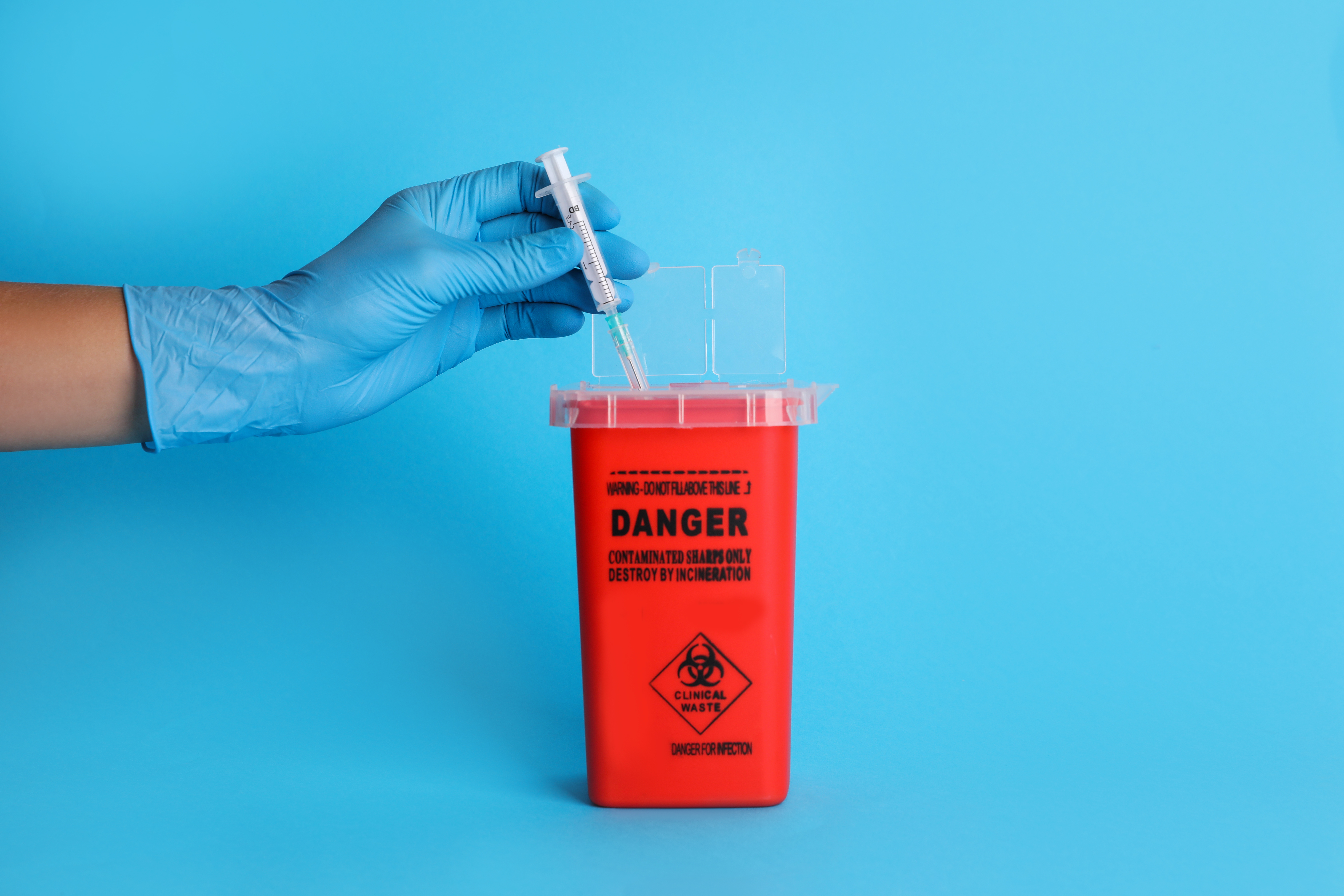
Healthcare facilities are responsible for sharps container disposal. While there are many ways to dispose of these containers, the most important thing is to ensure that they are properly sanitized before being sent to a landfill or recycling center. The first step in disposing of a sharp container is to remove all of the contents from the container. This includes any needles, razors, or other sharp objects that may be ...
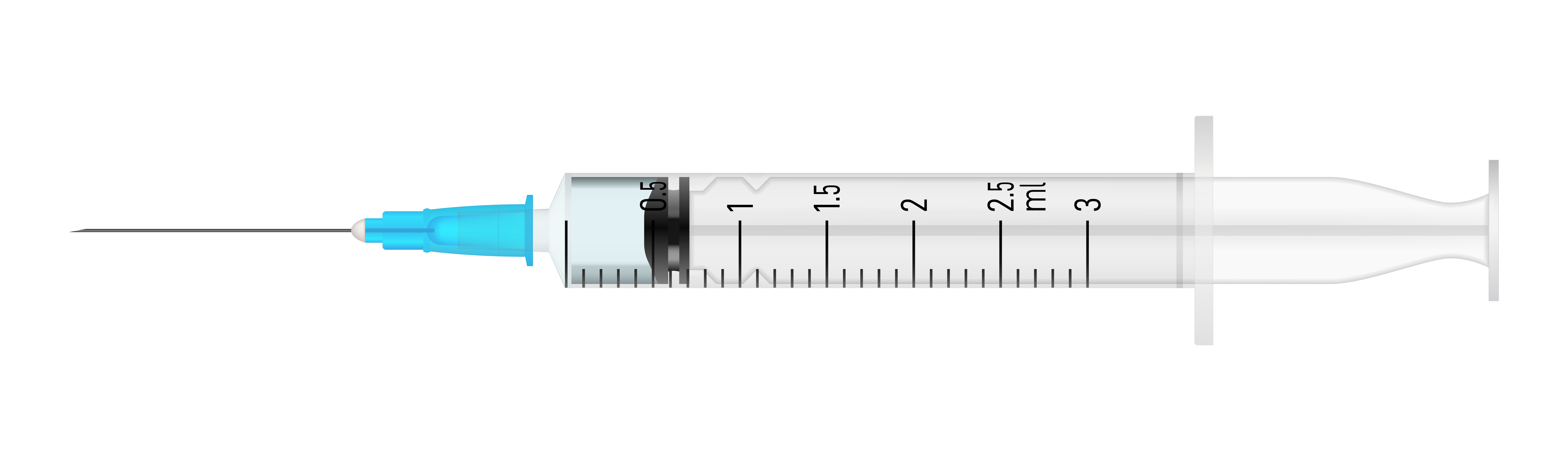
Pharmacies, hospitals, health departments, doctor’s offices, and self-injectors are all home to sharps and sharps waste. The Centers for Disease Control and Prevention(CDC) reports that sharps injuries are primarily associated with occupational transmission of hepatitis B virus (HBV), hepatitis C virus (HCV), and human immunodeficiency virus (HIV), but they have been implicated in the transmission of more than 20 other ...
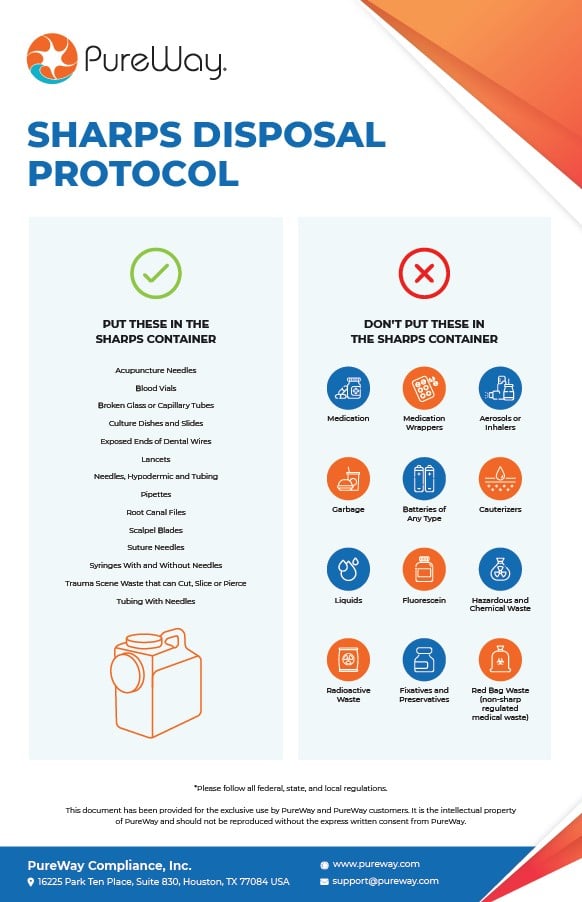
Sharps Disposal For Healthcare Facilities Sharps Disposal Sharps Disposal can be confusing and intimidating when safely disposing of sharps at home or a healthcare facility. There are many risks associated with handling used sharps and disposing of them properly. Regulations have been put in place to keep the management and care of sharps as unthreatening as possible; however, many sharps are still being thrown out improperly ...