
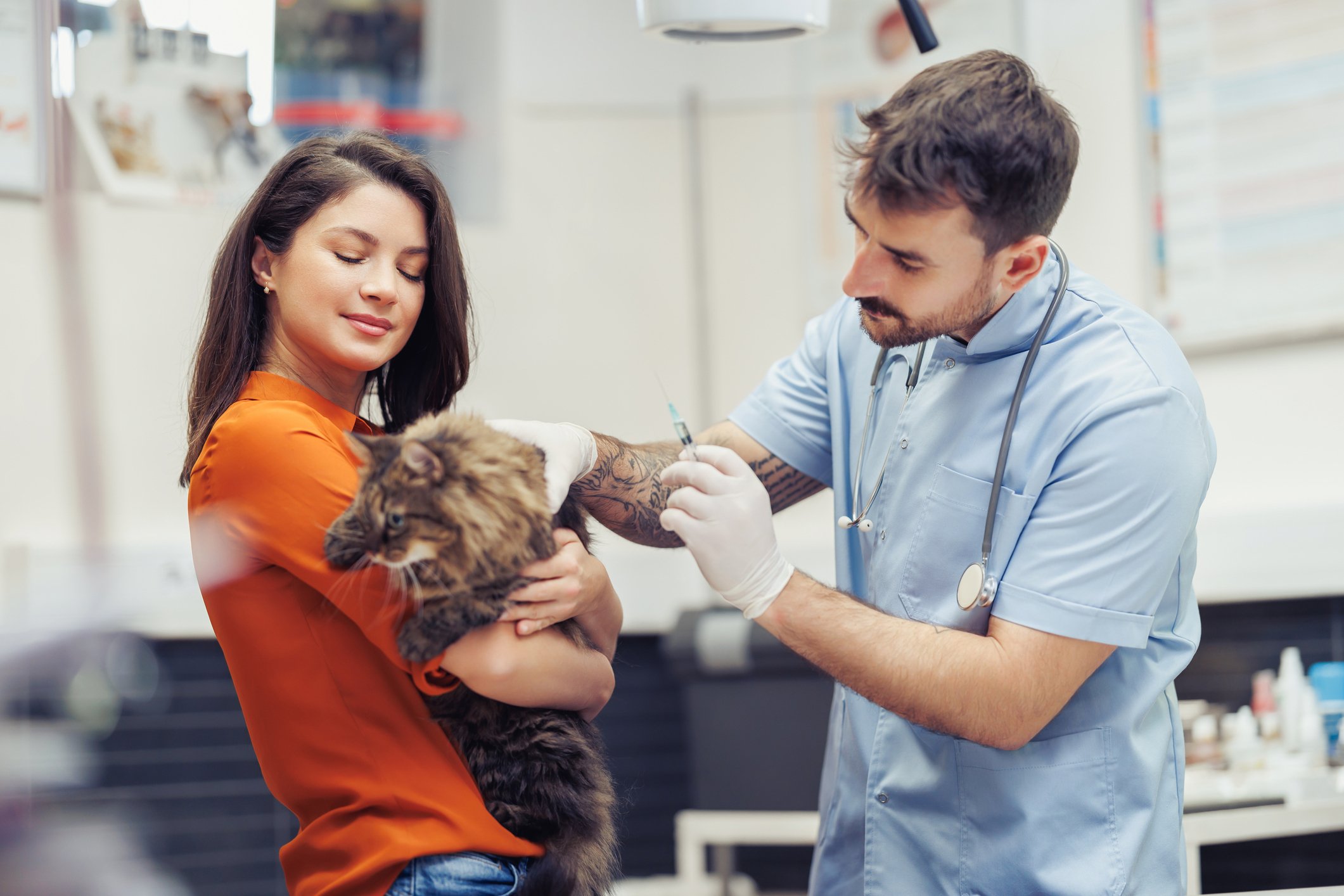
Veterinary medicine today looks very different than it did even a decade ago. Clinics are seeing higher patient volumes, more complex diagnostics, and a growing reliance on injectable treatments for both chronic and acute care. With that shift comes an increase in medical waste, such as sharps, that must be handled safely, compliantly, and consistently.
Still, veterinary waste disposal is often treated as a background operation. It’s something clinics know is important but don’t have the time or resources to continuously evaluate. When disposal systems don’t align with day-to-day clinic realities, the gaps can show up quietly:
- Overfilled containers
- Unclear segregation practices
- Storage challenges
- Increased exposure risk for staff and others
This isn’t about negligence. It is about how traditional disposal infrastructure hasn’t kept pace with the evolution of veterinary care.
Sharps Disposal Is a Daily Safety Issue, Not an Occasional Task
Needles, syringes, scalpel blades, and lancets are used across nearly every area of veterinary care. Proper sharps containment is well-established in OSHA guidance, but implementation inside a busy clinic can be inconsistent. Especially when patient volume increases or staffing shifts.
Overflowing containers, unclear replacement timing, or staff uncertainty around what belongs in the sharps stream can increase the risk of accidental needlesticks. These incidents don’t just affect clinicians; they can extend to kennel staff, cleaning crews, and waste handlers downstream.
Sharps safety is most effective when disposal systems are predictable, accessible, and sized appropriately for actual usage.
Compliance Requirements Add Complexity Clinics Don’t Always See Coming
Veterinary clinics operate under a mix of federal and state regulations when it comes to medical waste. While OSHA sets standards for sharps handling, environmental and transport regulations often fall under state agencies or the U.S. Department of Transportation, depending on the waste type and how it is shipped.
The challenge is that these requirements are not always consistent across states. For clinics with multiple locations, mobile units, or seasonal volume spikes, staying aligned can be difficult without clear documentation and a defined process.
For instance, California veterinary clinics are regulated under the Medical Waste Management Act (Health & Safety Code §117600–118360). The law requires sharps to be placed in approved sharps containers, properly labeled, and transported by a registered medical waste hauler or an approved mail-back system. Clinics must also register with their local enforcement agency (often the county environmental health department) and maintain records of waste treatment and disposal. California is especially strict about treatment methods and tracking, reflecting its broader environmental compliance standards.
In Texas, on the other hand, veterinary medical waste is regulated under the Texas Commission on Environmental Quality (TCEQ), specifically 30 TAC §330. Sharps and animal medical waste must be contained to prevent punctures and exposure, but Texas allows more flexibility in on-site storage time before disposal compared to California. Transport can be handled by a licensed medical waste transporter or via approved mail-back programs, and recordkeeping requirements are generally less prescriptive than in California.
Often, compliance gaps aren’t discovered until an inspection, audit, or incident forces the issue. At which point corrections become more stressful and more expensive.
Waste Costs Quietly Grow as Clinics Expand
Medical waste disposal is rarely a static cost. As clinics expand services, see more patients, or introduce additional injectable therapies; disposal volumes increase. Fees can rise through more frequent pickups, higher container usage, or added handling requirements.
Many clinics accept this as an unavoidable overhead. This lack of transparency can make it difficult to evaluate whether current disposal methods still make sense for the clinic’s size and workflow.
Pharmaceutical Disposal Adds Another Layer of Uncertainty
Beyond sharps, pharmaceutical waste, particularly controlled substances, introduces additional regulatory considerations. Disposal rules can differ significantly depending on whether a substance is expired, partially used, or contaminated, and DEA disposal requirements can be complex, even for experienced professionals.
Without clear guidance and documentation, clinics may find themselves unsure whether their current disposal practices fully align with federal expectations. This uncertainty increases audit risk and operational stress, especially for clinics handling higher volumes of injectable medications.
What Effective Disposal Looks Like in Practice
Clinics that feel confident about their waste disposal programs tend to have systems that reduce decision-making at the point of use. Disposal works best when staff doesn’t have to pause to figure out what happens next.
Clear rules, appropriately sized containers, predictable return or pickup processes, and accessible documentation all contribute to safer, smoother operations. Importantly, these systems must fit into existing workflows rather than require staff to work around them.
Where PureWay Supports Veterinary Clinics
PureWay Compliance works with veterinary clinics that want a structured but flexible approach to medical waste disposal, particularly for sharps and small-quantity regulated waste streams.
Clinics can order disposal systems on demand without monthly fees, minimums, or fuel surcharges. This model is designed to support clinics that prefer flexibility over long-term contracts. Returned waste is shipped using tested and authorized methods, and clinics have access to documentation and tracking through PureWay’s ConnectHub portal.
PureWay also offers optional OSHA and infection control compliance support, including site-specific programs and documentation resources, which can help clinics formalize disposal practices and training without building everything internally.
Rather than asking clinics to redesign how they operate, the goal is to provide disposal infrastructure that fits existing workflows while supporting safety, compliance, and recordkeeping.
Moving the Conversation Forward on Medical Waste in Veterinary Clinics
Medical waste disposal may not be the most visible part of veterinary care, but it plays a critical role in protecting clinic teams, patients, and the communities they serve. As veterinary medicine continues to evolve, disposal systems need to evolve with it. Quietly, reliably, and without adding friction.
These are conversations the industry benefits from having openly.
Sources
- OSHA – Sharps safety and exposure prevention
https://www.osha.gov/laws-regs/regulations/standardnumber/1910/1910.1030
- EPA – Medical waste overview and state regulation considerations
https://www.epa.gov/rcra/medical-waste
- AVMA – Federal regulations related to veterinary waste disposal
https://www.avma.org/resources-tools/animal-health-and-welfare/waste-disposal
- DEA Diversion Control – Disposal of controlled substances
https://www.deadiversion.usdoj.gov/faq/disp-destr-faq.html