Recent Posts

Many healthcare organizations believe they're fully compliant with medical waste regulations until an inspection or audit reveals otherwise. Even well-intentioned facilities can overlook seemingly minor issues, such as improper waste segregation, incomplete documentation, or incorrect labeling, that quickly escalate into costly compliance violations. The consequences of failing to follow medical waste regulations can be ...


Most healthcare organizations understand that regulated medical waste must be handled safely and in compliance with the law. What many don't realize is that improper medical waste disposal can quietly become one of the most significant financial risks facing their organization. When Regulated Medical Waste Disposal Becomes a Multi-Million Dollar Problem In 2023, one of the nation's largest healthcare organizations made ...
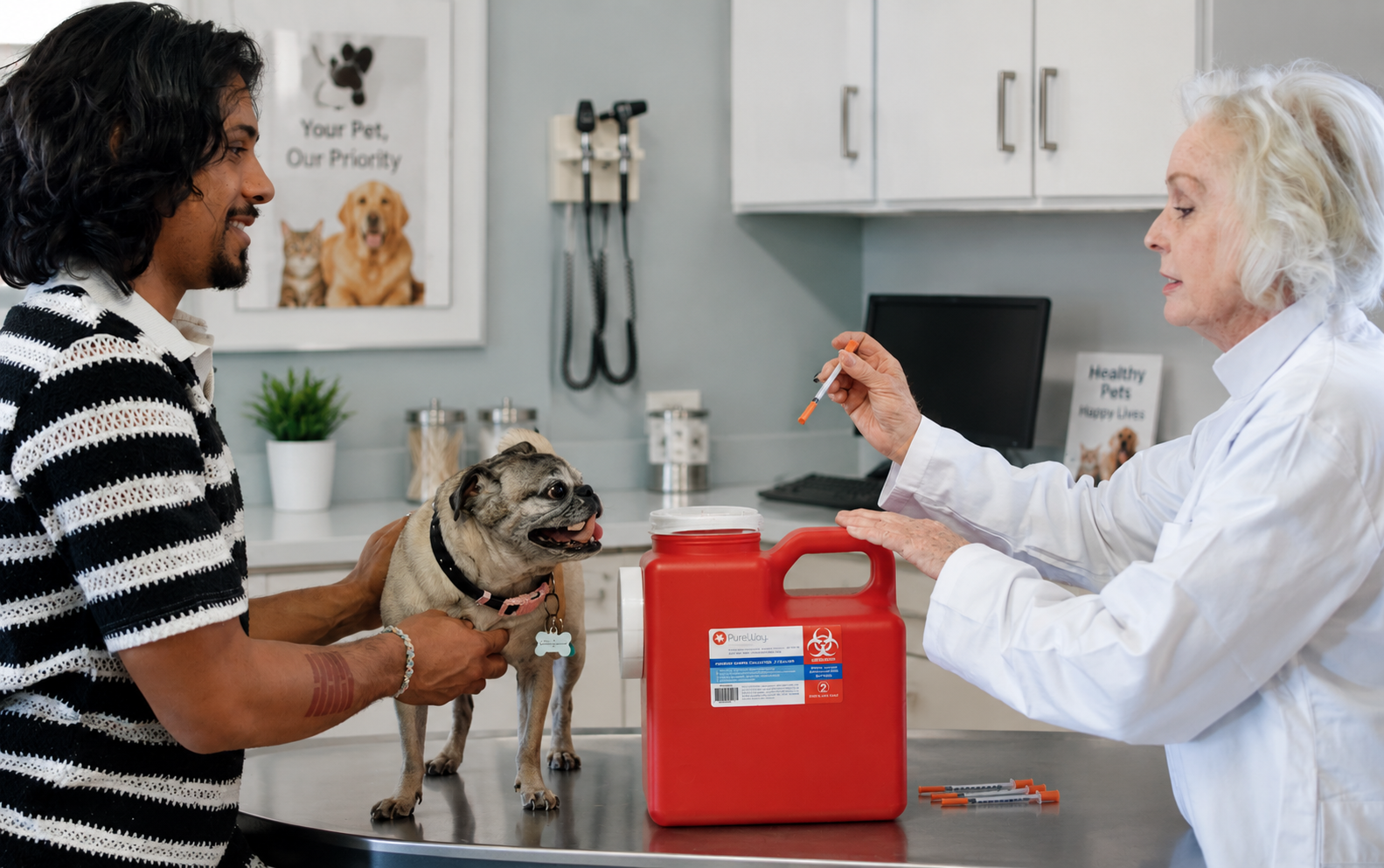
As temperatures rise and pet owners spend more time outdoors with their animals, veterinary clinics often experience a noticeable increase in patient visits. Warmer weather brings more pets through clinic doors for everything from routine wellness exams and vaccinations to emergency treatments and surgical procedures. Increased outdoor activity also leads to a higher incidence of injuries, parasite-related illnesses, and ...
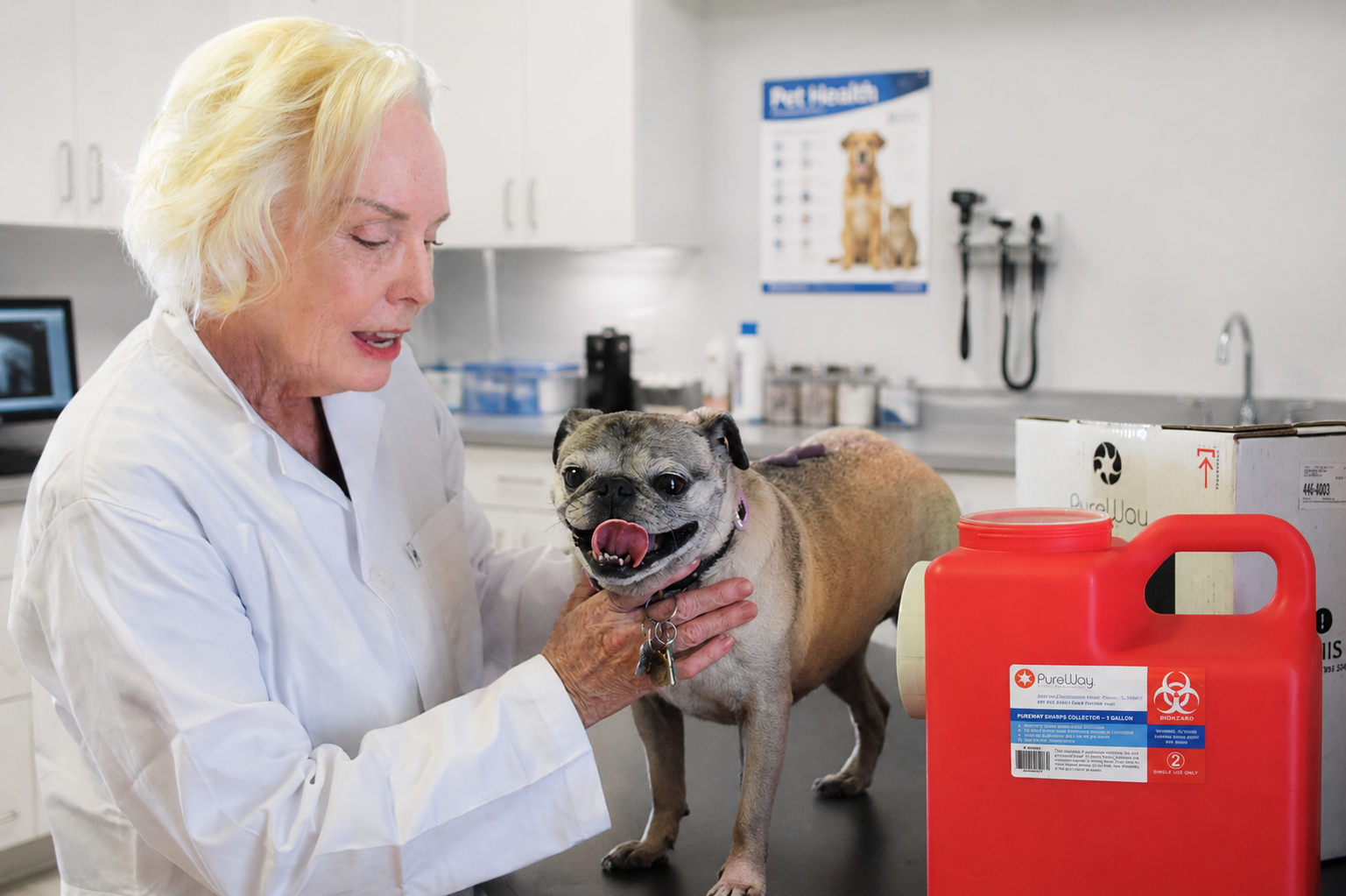
Every June, National Pet Preparedness Month serves as an important reminder for pet owners, veterinary professionals, shelters, and animal care organizations to prepare for emergencies that could impact the health and safety of animals. From hurricanes and wildfires to severe storms and unexpected evacuations, having a preparedness plan in place helps ensure pets receive the care they need when disaster strikes. Veterinary ...
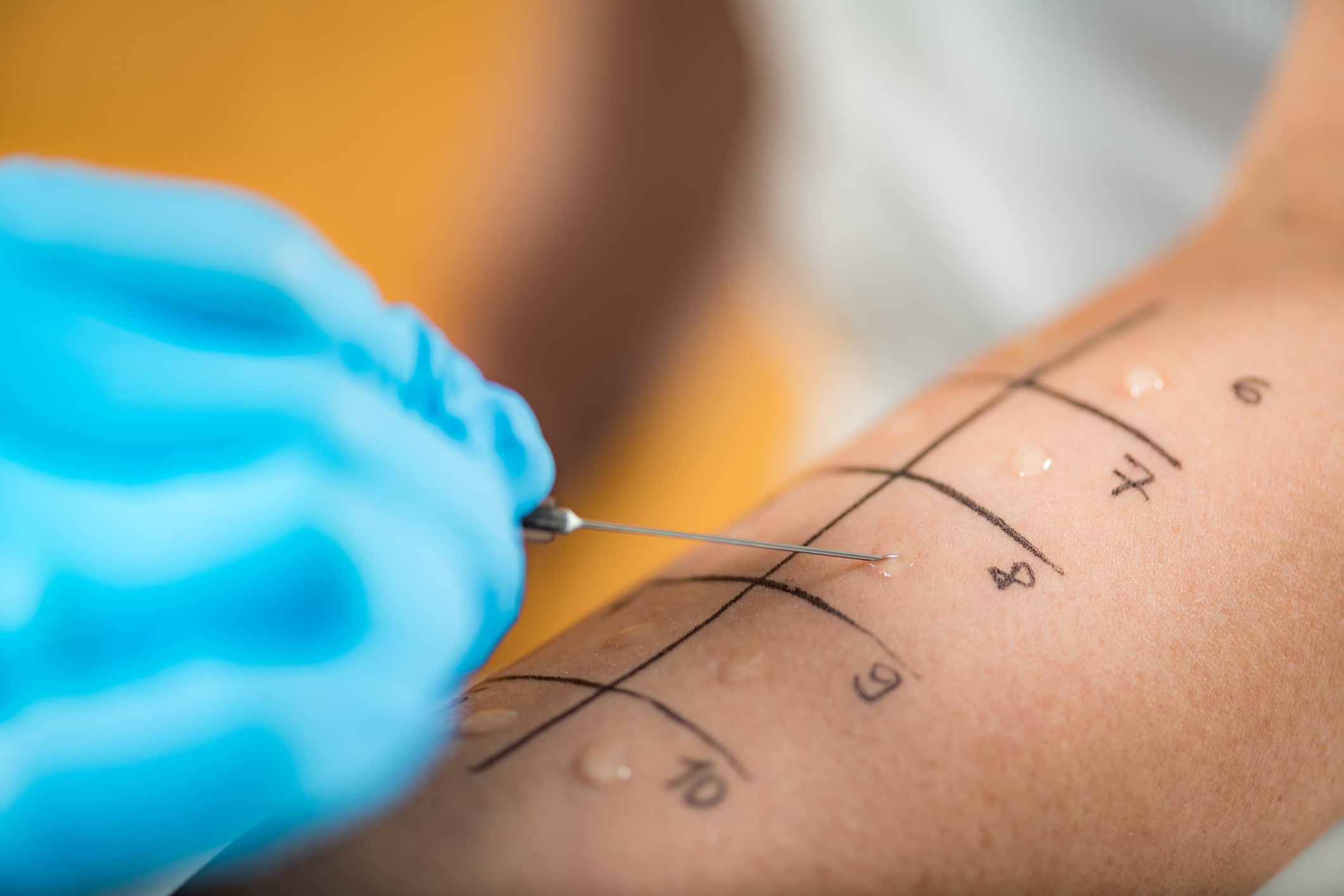
Medical waste management is often overlooked in allergy clinics because the waste generated each day may seem small compared to larger healthcare facilities. However, the frequent use of immunotherapy injections, sharps, blood-contaminated materials, PPE, and pharmaceutical products means allergy practices generate far more regulated medical waste than many providers realize. This is especially true during peak allergy ...

May marks National Cancer Research Month, a time to recognize the progress made in the fight against cancer and the innovation shaping the future of care. Over the past decade, advancements in chemotherapy, targeted therapies, and personalized medicine have significantly improved patient outcomes and survival rates. At the same time, the rise of specialty pharmacies and at-home treatment options has made care more accessible ...
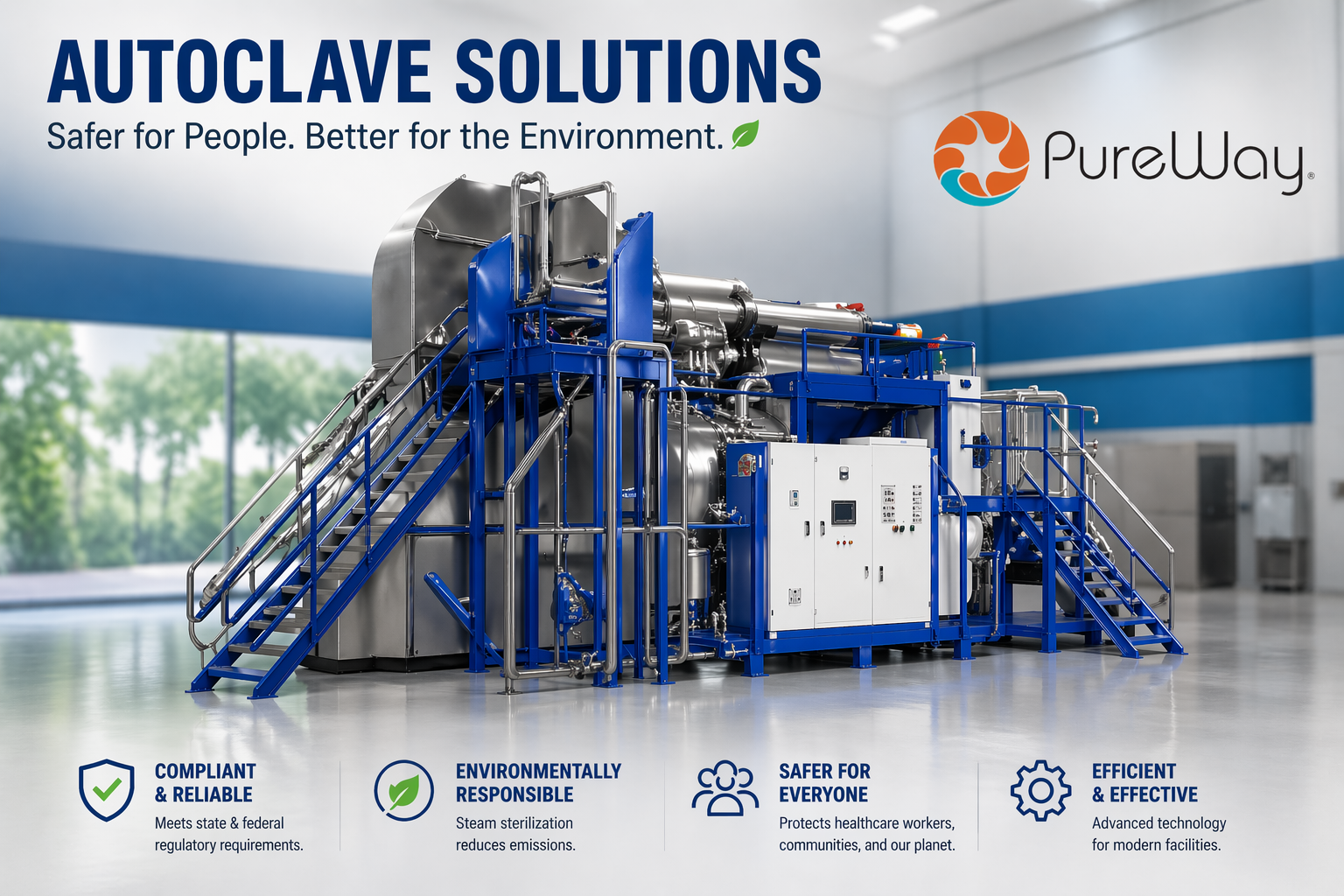
From dental clinics to pharmacies, healthcare facilities generate a wide range of regulated medical waste. Much of it is contaminated with blood, body fluids, or other potentially infectious materials. Managing this waste presents ongoing challenges, not only in protecting healthcare workers and the public from exposure risks, but also in navigating a complex regulatory landscape governed largely at the state level, with ...
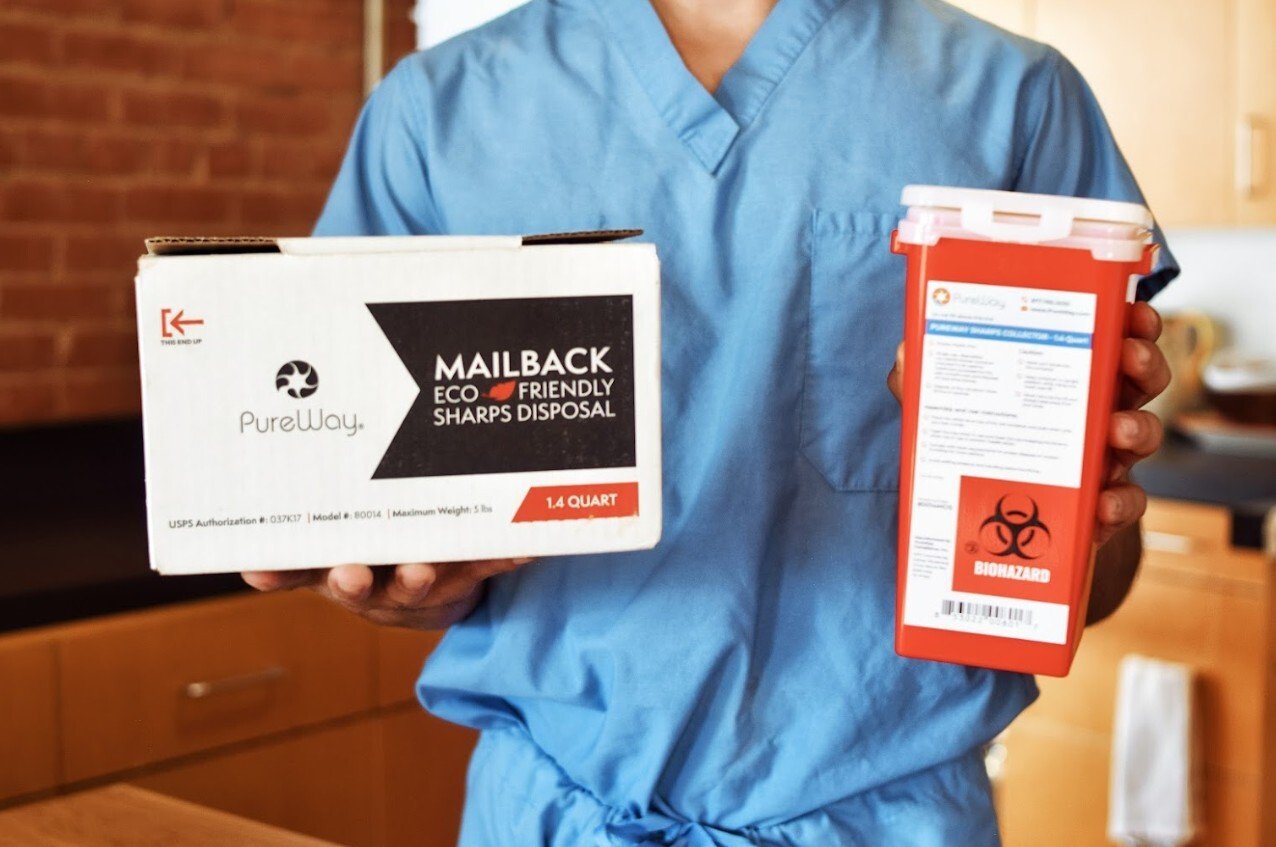
Medical waste management has long been driven by compliance, whether it be meeting regulations, minimizing risk, or simply avoiding fines. Today, that standard is evolving into something more: compliance plus sustainability. Healthcare organizations of all kinds, from dental clinics to home healthcare agencies to veterinary offices, are now expected to manage waste safely and reduce its environmental impact. This shift is ...
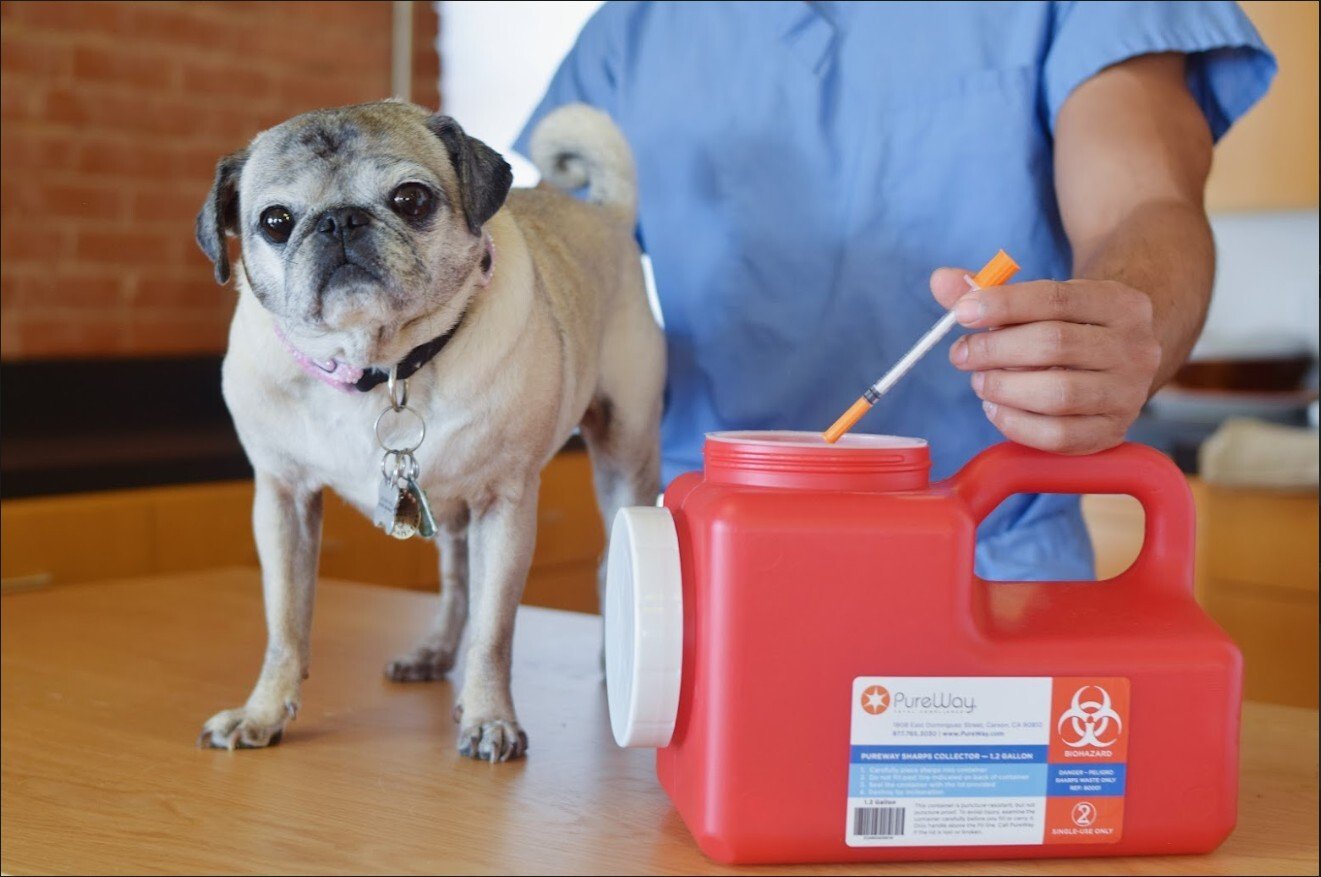
Sustainable medical waste management has become a critical priority for healthcare organizations as regulatory expectations tighten, and environmental concerns continue to grow. From dental clinics to veterinary offices, facilities today are not only responsible for protecting staff and patients, but also for minimizing their environmental footprint. With increasing volumes of sharps and biohazardous waste generated across ...

Healthcare facilities generate a wide range of medical waste, but sharps waste requires especially careful handling. Sharps include items such as needles, syringes, scalpels, and lancets, or any other device capable of puncturing or cutting skin. As these items can cause injury and expose healthcare workers to bloodborne pathogens, proper sharps disposal is essential for maintaining a safe clinical environment and complying ...